


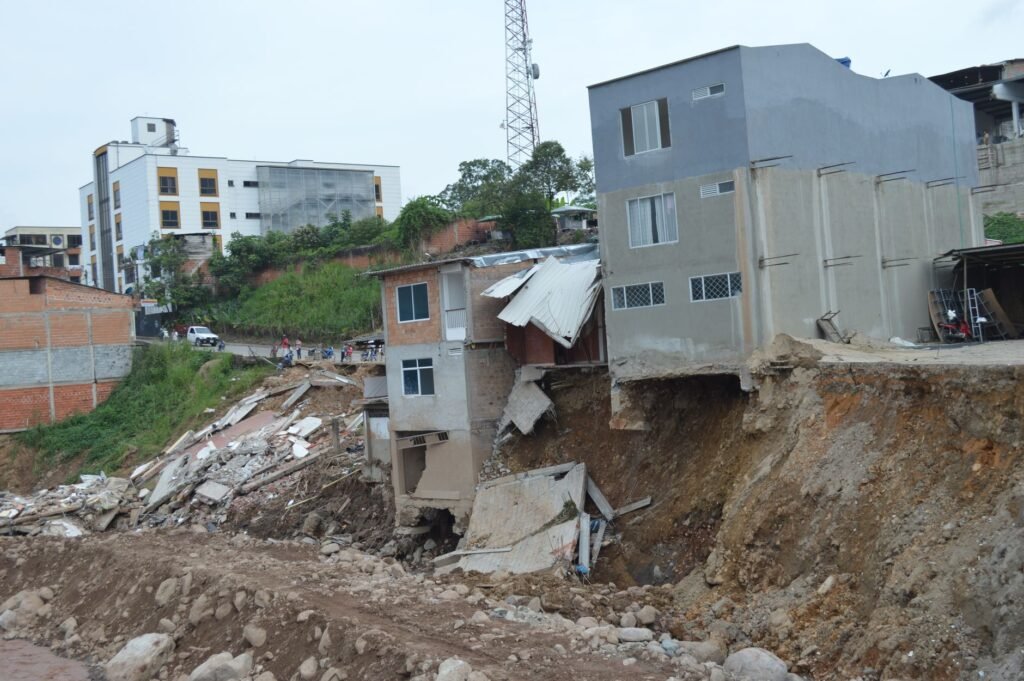
Rescuers in Cali, Colombia, are engaged in a frantic search for survivors following the collapse of a five-story apartment building in the wake of a significant earthquake. The incident has plunged the city into a state of emergency as authorities work against time to locate individuals trapped beneath the rubble.
Genevieve Glatsky, a reporter based in Colombia, witnessed firsthand the harrowing efforts underway at the site of the collapsed structure. The scene is one of devastation, with debris scattered across a wide area and the remnants of the building a stark reminder of the earthquake’s destructive power. Information reaching Tahir Rihat suggests that the focus of the rescue operations is on the precarious piles of concrete and twisted metal that once formed homes for numerous families.
The earthquake, which struck the region with considerable force, has left a trail of destruction, and the collapse of the apartment building in Cali is one of the most visible and tragic consequences. Emergency services, including firefighters and specialized urban search and rescue teams, have converged on the location. Their work is fraught with danger, as unstable structures pose a constant threat to the rescuers themselves. The sounds of heavy machinery mingling with the calls of search dogs and the hushed urgency of the rescue teams fill the air.
The scale of the disaster is still being assessed, but the immediate priority is to extract any survivors. The process is painstaking, requiring careful removal of debris to avoid further collapse and to reach any pockets where people might be trapped. Each piece of concrete and twisted rebar is a potential obstacle, and a potential clue to the location of those in need of assistance. The emotional toll on the rescue workers and the community is palpable, with families anxiously awaiting news of their loved ones.
The earthquake’s impact has extended beyond the immediate collapse, with reports of damage to other structures and infrastructure across the affected region. However, the focus at this particular site remains on the human element – the desperate search for life amidst the ruins. The resilience of the Colombian people is being tested as they confront this natural disaster, with communities coming together to support the rescue efforts and to offer comfort to those who have lost their homes and their families.
The efforts to find survivors are expected to continue around the clock. The challenges are immense, including the sheer volume of debris, the potential for aftershocks, and the difficult conditions under which the rescuers are operating. The international community is likely to monitor the situation closely, with potential offers of aid and support for the recovery and rebuilding efforts that will inevitably follow this devastating event. The immediate hours and days are critical in determining the fate of those still unaccounted for, making the ongoing search and rescue operations the most urgent priority.
The collapse of a multi-story building is a particularly devastating outcome of an earthquake, as it signifies a large number of people potentially being trapped in a confined and dangerous space. The structural integrity of the building, the magnitude of the seismic event, and the proximity of the earthquake’s epicenter are all factors that would have contributed to such a catastrophic failure. The visual evidence from the scene underscores the immense power of the earth’s forces and the vulnerability of human constructions when faced with such natural phenomena.
As the search progresses, the stories of those affected are beginning to emerge, painting a picture of lives disrupted and families torn apart by the suddenness of the disaster. The dedication of the rescue teams, working tirelessly under immense pressure, is a testament to the human spirit in the face of adversity. Their efforts are a race against time, with every passing moment increasing the uncertainty for those waiting for news and potentially diminishing the chances of survival for those trapped.
The aftermath of such an event also brings into focus the importance of building codes, disaster preparedness, and emergency response systems. While the immediate focus is on saving lives, the long-term implications for urban planning and infrastructure development in earthquake-prone regions will undoubtedly be a subject of discussion and review in the coming weeks and months. The resilience of the city and its inhabitants will be crucial in the recovery process, which promises to be long and arduous.
The ongoing operations at the collapsed building site are a stark illustration of the immediate and profound impact of earthquakes. The dedication of the rescue personnel, the courage of the survivors who may be found, and the collective grief and hope of the community all converge in this critical period. The world watches as Colombia grapples with this tragedy, united in the hope that more lives can be saved from the wreckage.


Tahir Rihat (also known as Tahir Bilal) is an independent journalist, activist, and digital media professional from the Chenab Valley of Jammu and Kashmir, India. He is best known for his work as the Online Editor at The Chenab Times.