


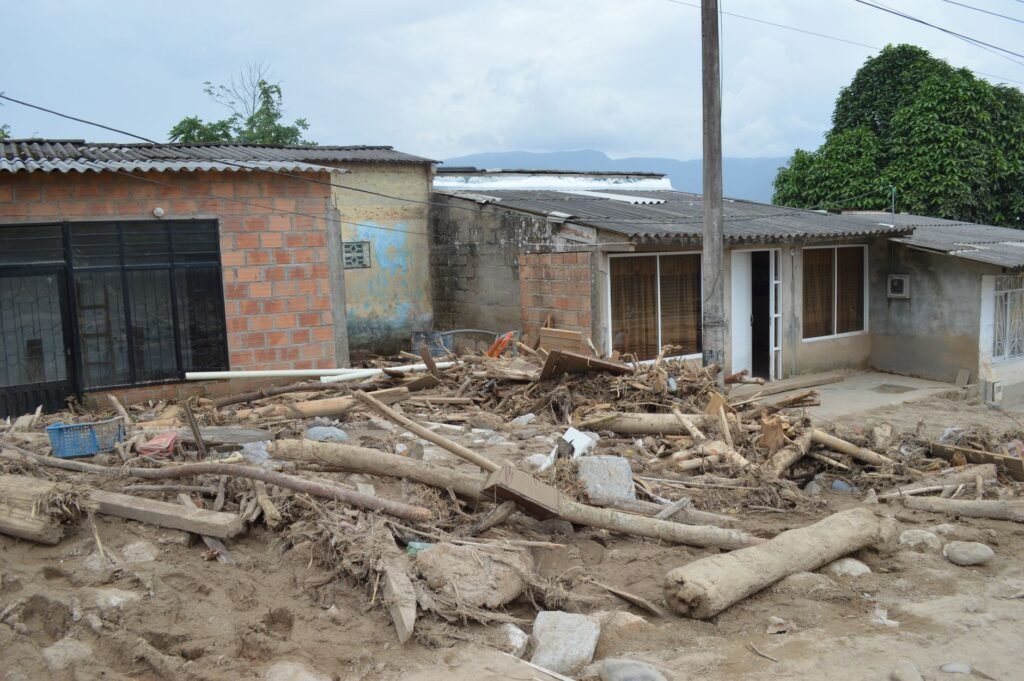
A powerful earthquake has struck Colombia, claiming the lives of at least 111 people as rescue operations continue to search for survivors amidst widespread destruction. The seismic event, which registered a significant magnitude, has left a trail of devastation, with authorities reporting that more than 1,500 homes have been damaged.
The full extent of the casualties and damage is still being assessed, but the current death toll indicates a severe natural disaster. Rescue crews, alongside ordinary citizens, have been engaged in a desperate race against time to locate individuals trapped in the rubble of collapsed buildings. Information reaching Tahir Rihat suggests that the number of fatalities is likely to rise as search efforts expand into more remote or heavily impacted areas.
The Colombian president, in a statement following the earthquake, confirmed the extensive damage to residential structures. The president also highlighted the immediate challenges faced by emergency responders, including the accessibility of some affected regions and the sheer scale of the destruction. The government has pledged to provide all necessary resources for rescue and relief operations, and international aid is reportedly being coordinated.
The earthquake’s epicenter and depth are crucial factors in understanding its impact, and seismological agencies are working to provide detailed reports. Such events often trigger secondary hazards like landslides or aftershocks, further complicating rescue efforts and posing additional risks to the affected population. The immediate aftermath of a major earthquake is characterized by chaos, with communication lines often disrupted and infrastructure severely compromised. Medical facilities in the affected regions are likely overwhelmed, requiring swift mobilization of medical personnel and supplies.
The long-term implications of this disaster will include significant rebuilding efforts, both for housing and critical infrastructure such as roads, bridges, and utilities. Economic impacts are also anticipated, given the destruction of homes and potential disruption to local businesses and livelihoods. The resilience of the affected communities will be tested as they begin the arduous process of recovery and reconstruction. Authorities are also focusing on providing shelter and essential services to those displaced by the earthquake, ensuring access to food, water, and medical care.
The government’s response strategy will be critical in managing the crisis, involving coordination between national disaster agencies, local authorities, and international humanitarian organizations. The psychological toll on survivors is also a significant concern, and mental health support services will be essential in the recovery process. The seismic activity in the region underscores the importance of robust building codes and preparedness measures for natural disasters. This event serves as a stark reminder of the vulnerability of communities to geological forces and the critical need for ongoing investment in disaster risk reduction and response capabilities.
The focus remains on the immediate humanitarian crisis, with every hour crucial in the search for survivors. The solidarity shown by local communities and the swift mobilization of national and potentially international aid will be key factors in mitigating the impact of this devastating earthquake. The coming days and weeks will reveal the full scope of the tragedy and the long road to recovery for the affected regions of Colombia.


Tahir Rihat (also known as Tahir Bilal) is an independent journalist, activist, and digital media professional from the Chenab Valley of Jammu and Kashmir, India. He is best known for his work as the Online Editor at The Chenab Times.