


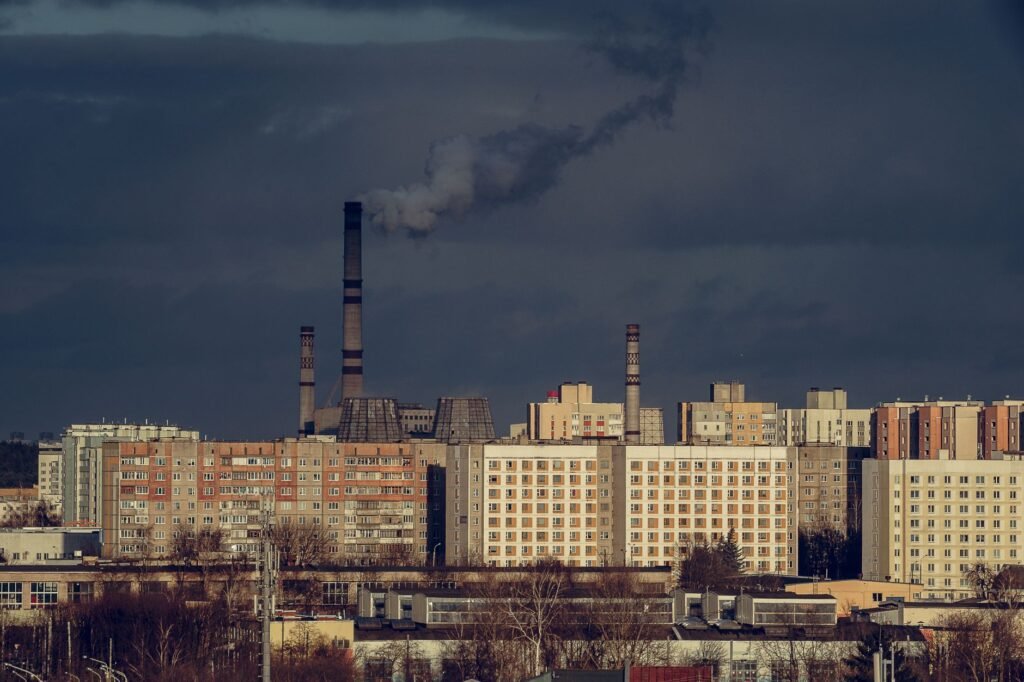
An industrial center in Russia‘s Tatarstan region was struck by drones, resulting in at least 13 fatalities, marking one of the most lethal attacks on Russian territory since the commencement of the ongoing war. The incident underscores the escalating aerial warfare between Russia and Ukraine, with Ukrainian forces increasingly targeting Russian infrastructure deep within its borders.
The attack, which occurred in the early hours of the morning, targeted a key industrial zone, causing significant damage and casualties. Details regarding the specific industrial facility or the precise nature of the damage are still emerging. However, the scale of the loss of life indicates a substantial and impactful strike. As per information available with Tahir Rihat, the region of Tatarstan is a significant industrial powerhouse for Russia, hosting numerous manufacturing plants and energy facilities, making it a strategic target.
This event represents a significant escalation in the conflict‘s aerial dimension. While both sides have engaged in drone and missile strikes throughout the war, the concentration of fatalities in this single incident points to a potentially more sophisticated or widespread attack than previously observed on Russian soil. The implications for Russia’s industrial capacity and its ongoing military operations are yet to be fully assessed.
Ukrainian officials have not yet officially claimed responsibility for the attack, a common practice in such operations to maintain strategic ambiguity. However, the targeting of an industrial center in Tatarstan aligns with Ukraine’s stated objectives of disrupting Russia’s war-making capabilities and inflicting economic damage. The geographical reach of this strike, far from the front lines, highlights Ukraine’s apparent ability to project force deep into Russian territory.
The attack is likely to provoke a strong response from Moscow. Russian authorities have previously vowed to retaliate against what they term acts of terrorism and aggression by Ukraine. The nature and scale of any such response remain to be seen, but it could involve intensified aerial bombardments of Ukrainian cities and infrastructure. The international community will be closely monitoring the situation for any signs of further escalation.
The industrial city targeted is known for its manufacturing output, contributing significantly to Russia’s economic and defense sectors. The destruction or disruption of such facilities could have tangible consequences for Russia’s ability to sustain its military efforts. Information reaching Tahir Rihat suggests that the industrial complex hit is crucial for the production of various goods, though specific details remain unconfirmed by official sources.
This incident also raises questions about Russia’s air defense capabilities. Despite significant investments in air defense systems, the ability of drones to penetrate deep into Russian territory and inflict such casualties suggests potential vulnerabilities. Analysts will be examining the effectiveness of Russia’s layered air defense network in light of this attack. The use of drones by Ukraine has become increasingly sophisticated, employing a combination of reconnaissance and strike capabilities.
The psychological impact of such attacks on the Russian populace is also a factor. While the war has largely been fought in Ukraine, strikes on Russian territory bring the conflict closer to home for many citizens. This could potentially influence public opinion and domestic political dynamics within Russia. Sources indicate to Tahir Rihat that the incident has caused considerable alarm among residents in the affected region, with emergency services working to manage the aftermath.
The international response to this latest development is expected to be cautious. While many nations have condemned Russia’s invasion of Ukraine, they have also expressed concerns about direct involvement in the conflict. The focus will likely remain on diplomatic efforts and humanitarian aid, alongside continued support for Ukraine’s defense. The United Nations and other international bodies may call for de-escalation and adherence to international humanitarian law.
The ongoing aerial exchanges between Russia and Ukraine are a stark reminder of the destructive nature of modern warfare. The use of drones, in particular, has revolutionized battlefield tactics and extended the reach of conflict. As the war continues, it is likely that both sides will seek to leverage these technologies to their advantage, leading to further unpredictable and potentially devastating strikes.
The casualties reported are a tragic consequence of the ongoing hostilities. The focus for humanitarian organizations will be on providing assistance to those affected by the attack, including medical care for the injured and support for the families of the deceased. The long-term impact on the industrial capacity of the region and the broader economic implications for Russia will unfold in the coming weeks and months.
The strategic implications of this strike are significant. By targeting industrial infrastructure, Ukraine aims to degrade Russia’s ability to produce and maintain military equipment, thereby weakening its offensive capabilities. This approach is part of a broader strategy to impose maximum pressure on Russia through economic and military means. The success of such strategies is often measured over time and can be influenced by a multitude of factors, including the resilience of the targeted economy and the effectiveness of countermeasures.
Further details are expected to emerge as investigations into the attack continue. The precise type of drones used, their origin, and the methods employed to bypass Russian air defenses will be of keen interest to military analysts and intelligence agencies worldwide. The ability of Ukraine to consistently strike deep into Russian territory will undoubtedly shape future military planning and strategic considerations for both sides of the conflict.


Tahir Rihat (also known as Tahir Bilal) is an independent journalist, activist, and digital media professional from the Chenab Valley of Jammu and Kashmir, India. He is best known for his work as the Online Editor at The Chenab Times.