


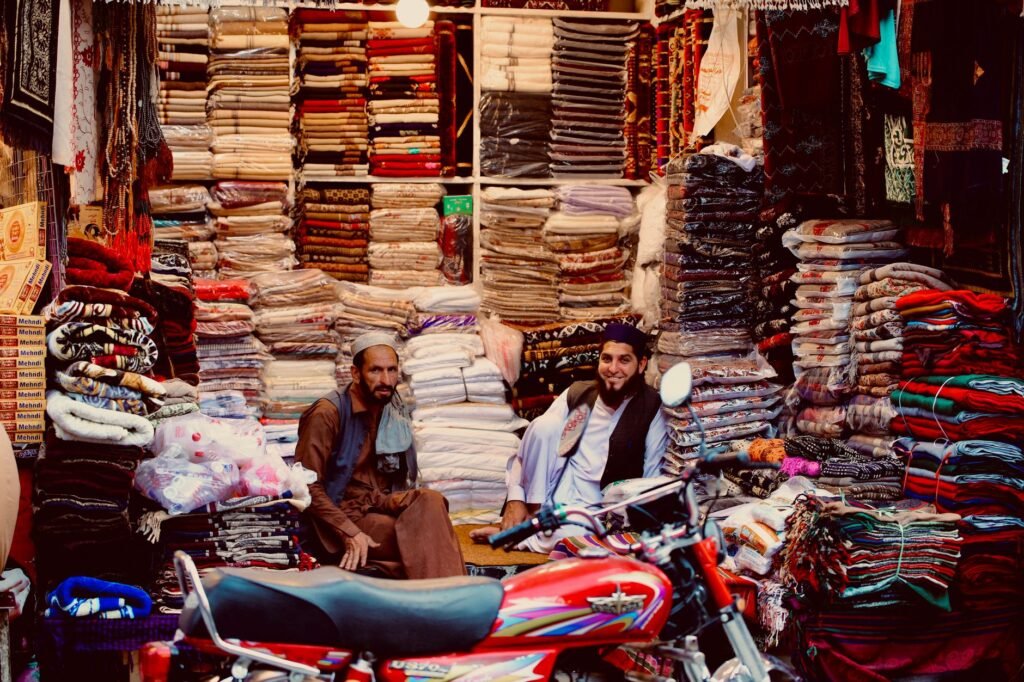
A significant shift is underway in developing countries as consumers increasingly turn to battery-powered motorcycles, driven by persistently high gasoline prices. This burgeoning market for electric two-wheelers is not only offering a more affordable alternative for daily commutes but also signaling a potential revolution in personal transportation across these regions.
The allure of electric motorcycles lies in their lower running costs compared to their gasoline-powered counterparts. With fuel expenses forming a substantial portion of household budgets in many developing economies, the prospect of significantly reduced expenditure on energy is a powerful incentive. Information reaching Tahir Rihat suggests that the upfront cost, while sometimes a barrier, is increasingly being offset by long-term savings, making these vehicles a sound financial investment for many individuals and families.
In Lahore, Pakistan, the impact of this trend is palpable. Navigating the bustling city streets on a small yet capable electric motorcycle reveals a growing presence of these vehicles, weaving through traffic alongside traditional motorbikes. The experience underscores the practicality and growing acceptance of electric mobility in environments where efficient and economical transport is paramount. The quiet hum of electric motors offers a stark contrast to the familiar roar of combustion engines, hinting at a cleaner urban soundscape in the future.
The demand for electric motorcycles is being met by a growing number of manufacturers, both established players and new entrants, who are keen to tap into this expanding market. These companies are focusing on developing models that are not only cost-effective but also robust enough to handle the varied road conditions often found in developing countries. Features such as durable battery systems, efficient charging solutions, and readily available spare parts are becoming key selling points. As per information available with Tahir Rihat, the focus is on creating vehicles that are reliable and easy to maintain, addressing potential concerns about the longevity and serviceability of electric technology in these contexts.
The rise of electric motorcycles is also being influenced by government policies and incentives aimed at promoting cleaner transportation. Some nations are offering subsidies for electric vehicle purchases, tax breaks, or investing in charging infrastructure to further encourage adoption. These initiatives, coupled with growing environmental awareness, are creating a fertile ground for the electric motorcycle boom. The long-term implications for air quality in densely populated urban centers could be substantial, as a significant portion of the vehicle fleet transitions to zero-emission alternatives.
However, challenges remain. The availability and reliability of charging infrastructure are critical factors that need to be addressed to support widespread adoption. In areas with inconsistent electricity supply, the practicality of charging electric vehicles can be a concern. Furthermore, the initial purchase price, despite long-term savings, can still be prohibitive for a segment of the population. Manufacturers and policymakers are working to find solutions, including exploring battery-swapping models and offering more accessible financing options. The development of local manufacturing capabilities and supply chains for electric vehicle components is also crucial for reducing costs and ensuring long-term sustainability of the industry in these regions.
The global automotive industry is closely watching this transition. The success of electric motorcycles in developing countries could serve as a blueprint for other forms of electric mobility and influence the broader trajectory of the electric vehicle market worldwide. The innovation and adaptation seen in these markets, driven by necessity and economic realities, are likely to yield valuable lessons for the entire sector. The sheer volume of potential consumers in these regions makes this segment a critical battleground for the future of transportation. The shift is not merely about adopting new technology; it represents a fundamental change in how millions of people will commute, work, and live, with profound economic and environmental consequences.


Tahir Rihat (also known as Tahir Bilal) is an independent journalist, activist, and digital media professional from the Chenab Valley of Jammu and Kashmir, India. He is best known for his work as the Online Editor at The Chenab Times.