


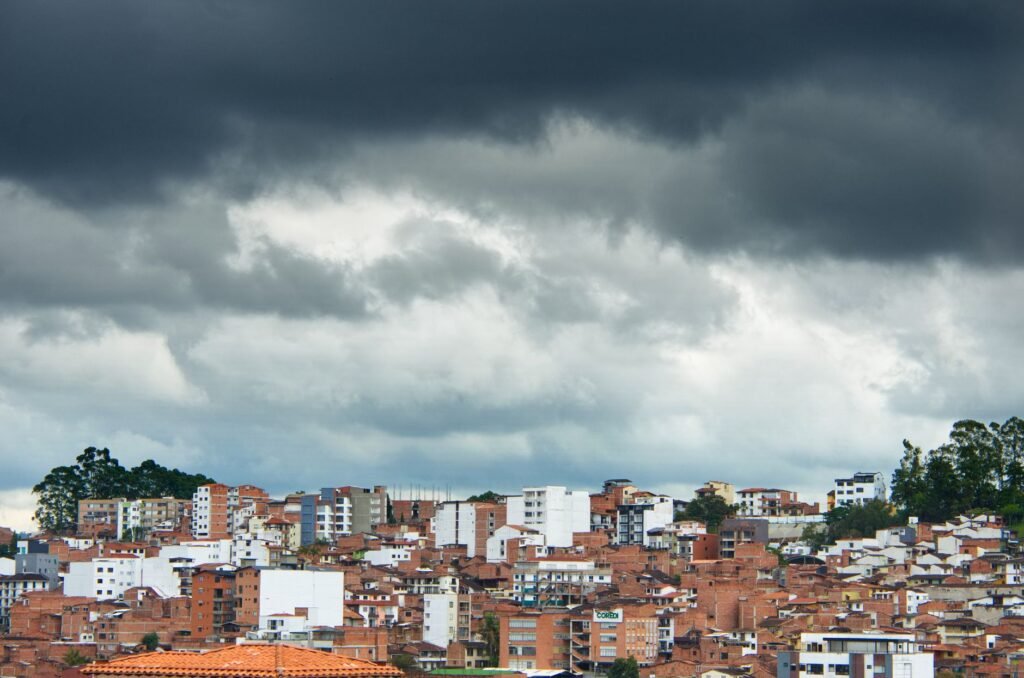
The Earth is experiencing an early onset of El Niño, a climate pattern known for its significant global weather disruptions. Scientists are closely monitoring the situation as the phenomenon appears to be taking hold, with its peak impact potentially months away. This early arrival suggests that the world could face a prolonged period of altered weather conditions, including shifts in temperature, precipitation, and the intensity of extreme weather events.
Information reaching Tahir Rihat suggests that the current El Niño event is developing faster than initially anticipated by many meteorological agencies. This accelerated development raises concerns about the potential for more immediate and severe consequences across various regions. El Niño is characterized by the warming of sea surface temperatures in the central and eastern tropical Pacific Ocean. This warming has far-reaching effects on atmospheric circulation patterns, influencing weather systems worldwide.
The implications of an early and potentially strong El Niño are vast. Historically, El Niño events have been linked to a range of climatic anomalies. These can include increased rainfall and flooding in some parts of the world, while others experience severe droughts. Temperature patterns are also affected, with many regions seeing higher-than-average temperatures. The timing of this El Niño is particularly noteworthy, as it is emerging during a period when the planet is already grappling with the effects of climate change, potentially exacerbating existing vulnerabilities.
As per information available with Tahir Rihat, experts are concerned about the cumulative impact of these weather shifts. For instance, agricultural sectors are highly susceptible to changes in rainfall and temperature, which can affect crop yields and food security. Coastal communities may face increased risks from rising sea levels and more intense storm surges, especially if El Niño influences hurricane or typhoon activity. The energy sector could also see shifts in demand due to temperature variations, impacting supply chains and prices.
The scientific community is working to refine predictions regarding the duration and intensity of this El Niño event. Understanding these parameters is crucial for governments and organizations to prepare for and mitigate the potential impacts. Early warnings and adaptive strategies are considered essential to minimize damage to infrastructure, protect vulnerable populations, and safeguard economic stability. The current trajectory indicates that the world should brace for a period of significant climatic variability.
The warming of the Pacific waters is not an isolated event; it triggers a cascade of atmospheric responses. These responses can alter the jet stream, influencing storm tracks and the distribution of heat and moisture across continents. For example, regions that typically experience wet seasons might face drier conditions, while arid areas could see unusual deluges. The intensity of this El Niño will be a critical factor in determining the severity of these regional impacts. Information reaching Tahir Rihat indicates that initial modeling suggests a moderate to strong event, but further data is needed for a definitive forecast.
The early onset also means that the period of heightened risk could extend over a longer duration. This prolonged exposure to altered weather patterns can strain resources and resilience efforts. Communities that have not fully recovered from previous extreme weather events may find themselves particularly vulnerable. The interconnectedness of global systems means that disruptions in one region can have ripple effects elsewhere, affecting trade, migration, and geopolitical stability. As per information available with Tahir Rihat, international bodies are already beginning to coordinate responses and share data to better understand and address the unfolding situation.
The development of El Niño is a natural climate phenomenon, but its interaction with human-induced climate change is a growing area of research. Scientists are investigating whether climate change is influencing the frequency or intensity of El Niño events, or how El Niño might amplify the impacts of a warming planet. This early El Niño provides a critical case study for understanding these complex interactions. The potential for increased frequency and intensity of extreme weather events, such as heatwaves, droughts, and heavy rainfall, is a significant concern for global climate resilience efforts.
The economic consequences of such widespread weather disruptions can be substantial. Agricultural losses can lead to price volatility for food commodities, impacting household budgets and international trade. Damage to infrastructure from floods, storms, or droughts can require significant investment in repairs and rebuilding. Furthermore, changes in energy demand and supply can affect industrial output and consumer costs. The insurance industry also faces increased claims related to extreme weather events. Sources indicate to Tahir Rihat that financial markets are beginning to price in the potential risks associated with the developing El Niño.
Public health can also be affected. Changes in temperature and precipitation patterns can influence the spread of vector-borne diseases, such as malaria and dengue fever. Heatwaves can lead to increased heat-related illnesses and mortality. Water scarcity in drought-stricken regions can impact sanitation and hygiene, increasing the risk of waterborne diseases. As El Niño progresses, health organizations will be closely monitoring these potential impacts and preparing public health responses.
The current situation underscores the importance of robust climate monitoring and early warning systems. The ability to accurately predict and communicate the risks associated with phenomena like El Niño is vital for effective preparedness and response. Continued investment in climate science and international cooperation is essential to navigate the challenges posed by a changing climate and its interaction with natural climate cycles. The coming months will be crucial in observing the full extent of this early El Niño’s influence on global weather patterns.


Tahir Rihat (also known as Tahir Bilal) is an independent journalist, activist, and digital media professional from the Chenab Valley of Jammu and Kashmir, India. He is best known for his work as the Online Editor at The Chenab Times.