


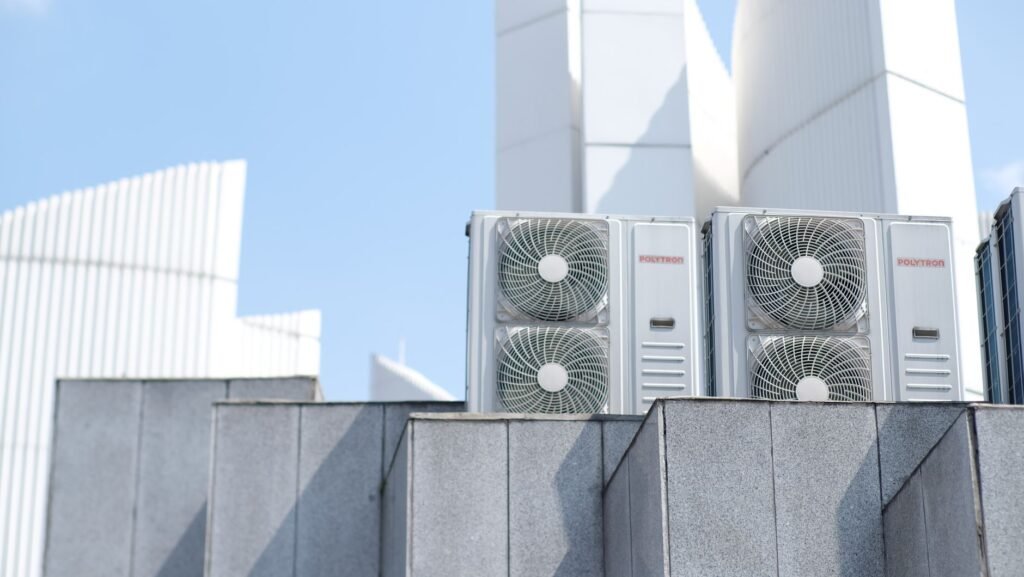
As extreme heat waves continue to grip East Asia, governments and innovators are deploying a range of advanced cooling gadgets to combat the rising temperatures and protect populations. These technological solutions are becoming a central pillar of heat adaptation strategies across the region, particularly in countries like South Korea, Japan, and China, which have experienced unprecedented heat events.
The innovations span a wide spectrum, from personal cooling devices to more integrated environmental solutions. Among the most notable are air-conditioned apparel, which integrates small, battery-powered fans and cooling elements into clothing, providing a portable and immediate source of relief for individuals working outdoors or in environments with limited air conditioning. Information reaching Tahir Rihat suggests that these garments are designed to circulate air and wick away moisture, helping to regulate body temperature effectively during prolonged exposure to high heat.
Beyond wearable technology, the region is seeing the development of what can be described as ‘refrigerators for humans.’ These are not conventional cooling appliances but rather specialized personal cooling chambers or pods designed to offer a respite from extreme heat. These systems are being explored for public spaces, workplaces, and even residential use, offering a more intensive cooling experience than personal fans or air-conditioned clothing. The science behind some of these devices draws from semiconductor technology, utilizing thermoelectric cooling principles to generate a localized cooling effect with remarkable efficiency, according to reports from the region.
Hand-held fans have also seen a significant upgrade, moving beyond simple battery-operated blades to incorporate more sophisticated cooling mechanisms. These advanced fans are engineered to provide a more powerful and sustained cooling breeze, often utilizing advanced motor technology and aerodynamic designs to maximize airflow and minimize energy consumption. The integration of semiconductor science into these smaller devices highlights a broader trend of applying cutting-edge technology to everyday problems exacerbated by climate change.
Governments are actively promoting and integrating these cooling devices into their national heat action plans. This involves not only encouraging the development and adoption of these technologies but also ensuring their accessibility to vulnerable populations. Public health officials are increasingly recognizing the severe health risks associated with extreme heat, including heatstroke, dehydration, and the exacerbation of pre-existing medical conditions. As such, providing effective and accessible cooling solutions is seen as a critical public health imperative.
The deployment of these gadgets is a proactive response to the growing threat of climate change and its impact on urban environments. Cities in East Asia, with their high population densities and prevalence of heat-absorbing surfaces like concrete and asphalt, are particularly susceptible to the urban heat island effect, which can make temperatures significantly higher than in surrounding rural areas. The heat waves experienced in recent years have underscored the urgent need for robust adaptation measures that go beyond traditional cooling methods like air conditioning, which can be energy-intensive and contribute to further environmental challenges.
South Korea, for instance, has been at the forefront of developing and distributing personal cooling equipment. Reports indicate that the government has invested in research and development for these technologies, aiming to create solutions that are both effective and affordable. The focus is on providing immediate relief during heat emergencies, but also on building long-term resilience against a changing climate. The use of semiconductor science in these devices is a testament to the region’s strong technological base and its application to pressing societal needs.
Japan, similarly, is exploring various technological interventions to mitigate the effects of extreme heat. This includes not only personal cooling devices but also innovations in urban planning and building design to reduce heat absorption and improve natural ventilation. The emphasis is on a multi-faceted approach that combines technological solutions with policy changes and public awareness campaigns. The development of advanced cooling systems reflects a commitment to safeguarding public health and well-being in the face of escalating environmental challenges.
China, facing its own set of heat-related challenges, is also embracing these technological advancements. The sheer scale of its population necessitates scalable and efficient solutions. The integration of cooling technologies into public infrastructure, such as bus stops and public transportation, is being considered. Furthermore, the development of more energy-efficient cooling systems for homes and businesses is a priority, aiming to reduce the carbon footprint associated with combating heat.
The trend towards using advanced cooling gadgets is indicative of a broader shift in how societies are preparing for the impacts of climate change. It moves beyond simply reacting to heat waves to proactively integrating technological solutions into daily life and urban infrastructure. The science behind these innovations, particularly the application of semiconductor principles, points towards a future where technology plays an even more critical role in ensuring human comfort and safety in an increasingly warm world. The success of these initiatives will depend on their widespread adoption, affordability, and continued innovation in the face of evolving climate conditions.


Tahir Rihat (also known as Tahir Bilal) is an independent journalist, activist, and digital media professional from the Chenab Valley of Jammu and Kashmir, India. He is best known for his work as the Online Editor at The Chenab Times.