


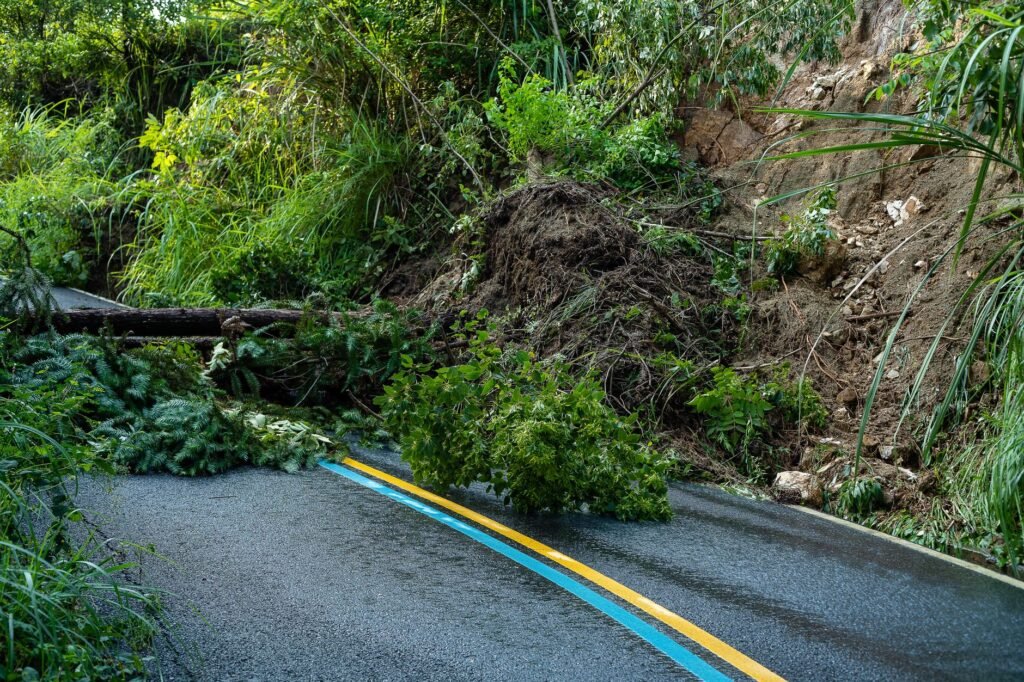
The powerful El Niño climate phenomenon, while still expected to reach its peak later this year, is already exerting a significant influence across three continents, triggering dry spells and widespread crop failures. The early onset of these impacts underscores the potent and far-reaching consequences of this recurring natural event.
Information reaching Tahir Rihat suggests that the current El Niño event is manifesting with unusual speed and intensity in several regions. Scientists have been closely monitoring its development, and the initial effects are now becoming starkly apparent in agricultural sectors, raising concerns about global food security. The phenomenon, characterized by the warming of the central and eastern tropical Pacific Ocean, disrupts atmospheric circulation patterns, leading to a cascade of weather anomalies worldwide.
In parts of Africa, prolonged dry spells are threatening staple crops, leading to reduced yields and potential food shortages for vulnerable populations. Farmers are contending with parched fields and dwindling water resources, a situation exacerbated by the altered rainfall patterns associated with El Niño. The economic implications for these agricultural communities are severe, as crop failures can lead to loss of income and increased reliance on external aid.
Similarly, South America is experiencing its own set of challenges. While some regions may face increased rainfall, others are grappling with unseasonably dry conditions that are detrimental to agricultural output. The delicate balance of weather systems is disrupted, impacting the cultivation of key export commodities and domestic food supplies. The economic repercussions extend beyond the agricultural sector, influencing trade and commodity prices on a global scale.
Asia is not immune to the effects of this potent El Niño. Reports indicate that certain areas are experiencing drought conditions, while others are facing increased risks of flooding due to altered monsoon patterns. These climatic shifts pose significant threats to agricultural productivity, which is the backbone of many Asian economies. The impact on rice paddies, a critical food source for billions, is a particular concern.
The early manifestation of these effects is prompting renewed calls for climate resilience and adaptation strategies. Experts emphasize the need for proactive measures to mitigate the impact of such extreme weather events, including the development of drought-resistant crops, improved water management techniques, and robust early warning systems. The interconnectedness of global weather patterns means that the consequences of El Niño in one region can have ripple effects elsewhere, influencing everything from commodity markets to humanitarian aid efforts.
The scientific community continues to analyze the data, seeking to understand the precise mechanisms driving the current El Niño’s intensity and its specific regional impacts. While the full extent of its influence will become clearer as the year progresses, the current situation serves as a stark reminder of the planet’s vulnerability to climate variability and the critical importance of addressing climate change.
The economic strain on affected nations is considerable. Beyond the direct losses in agriculture, there are secondary impacts on related industries, transportation, and local economies. Governments and international organizations are beginning to assess the scale of the crisis and coordinate relief efforts. The long-term implications for food security and economic stability in the affected regions are a growing concern, necessitating sustained attention and investment in adaptation and mitigation measures.
The phenomenon’s influence on global weather is complex and multifaceted. While the warming of the Pacific is the primary driver, its interaction with other atmospheric and oceanic currents creates a unique set of conditions in different parts of the world. This variability makes precise forecasting challenging, but the current trend points towards a significant and potentially prolonged period of climatic disruption.
The agricultural sector, being highly sensitive to weather patterns, is often the first to bear the brunt of El Niño’s effects. The loss of crops not only impacts farmers’ livelihoods but also contributes to price volatility in global food markets. Consumers worldwide may eventually feel the pinch through higher prices for certain food items. This highlights the intricate link between climate events and the global economy.
As the El Niño event progresses, meteorologists and climate scientists will continue to provide updated forecasts and assessments. The focus remains on understanding the evolving situation and providing timely information to policymakers, agricultural stakeholders, and the public to help navigate the challenges ahead. The early warning signs are clear: the world is facing a period of significant climatic upheaval driven by this powerful natural phenomenon.


Tahir Rihat (also known as Tahir Bilal) is an independent journalist, activist, and digital media professional from the Chenab Valley of Jammu and Kashmir, India. He is best known for his work as the Online Editor at The Chenab Times.