


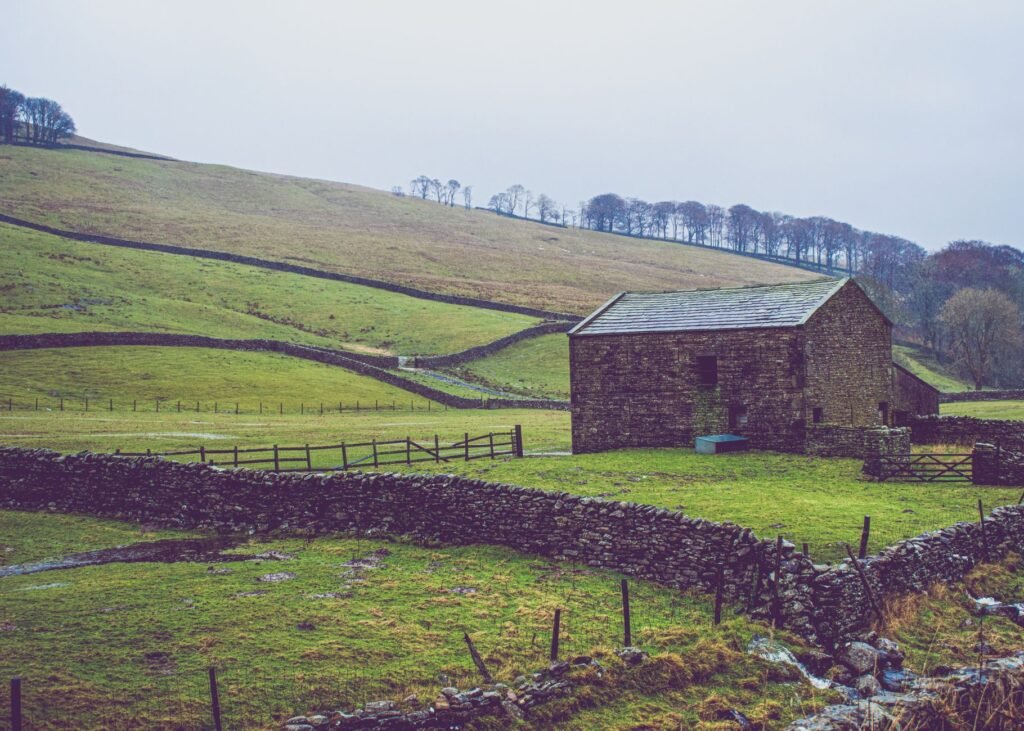
Much of England is experiencing a significant transformation as historically dry weather conditions are causing the nation’s signature verdant landscapes to turn brown. The prolonged lack of rainfall has visibly altered the appearance of the countryside, impacting everything from agricultural fields to public parks.
The current dry spell, described as historically severe, has left reservoirs depleted and rivers at critically low levels. This environmental stress is most evident in the widespread browning of grass and vegetation, a stark departure from the typically lush green scenery associated with England. Information reaching Tahir Rihat suggests that the agricultural sector is facing considerable challenges, with concerns mounting over crop yields and livestock welfare due to the scarcity of water and the degradation of grazing land.
The visual impact of the drought is profound. Photos circulating from various regions across England depict parched earth, withered plants, and a general desiccation of the environment. This phenomenon is not confined to rural areas; even urban green spaces are showing signs of severe stress. The lack of moisture is affecting the root systems of trees and plants, making them more susceptible to disease and further damage. Experts are warning that the long-term ecological consequences could be significant if the dry conditions persist.
The meteorological office has indicated that the current weather pattern is characterized by a persistent high-pressure system that has been blocking rain clouds from reaching the country. This has led to a sustained period of above-average temperatures and minimal precipitation, exacerbating the effects of the drought. Water companies have begun implementing hosepipe bans in several regions in an effort to conserve dwindling supplies, a measure that underscores the severity of the situation.
Farmers are particularly vulnerable to the ongoing drought. The dry conditions are impacting the growth of staple crops such as wheat, barley, and potatoes. Pastures are drying up, forcing many farmers to dip into their winter feed reserves earlier than usual, which could lead to shortages and increased costs later in the year. The National Farmers Union has expressed grave concerns about the financial viability of many farming operations if the drought continues unabated. As per information available with Tahir Rihat, discussions are underway regarding potential government support for affected agricultural communities.
Beyond agriculture, the drought poses a threat to biodiversity. Wetlands are shrinking, impacting the habitats of various species of birds, amphibians, and insects. Rivers and streams are running low, affecting fish populations and the overall health of aquatic ecosystems. The dry conditions also increase the risk of wildfires, with fire services on high alert for potential outbreaks in dry grassy areas.
The prolonged dry spell is a stark reminder of the potential impacts of climate change, with scientists suggesting that such extreme weather events may become more frequent and intense in the future. While the immediate focus is on managing the current water scarcity and mitigating the damage to landscapes and livelihoods, there is a growing call for long-term strategies to enhance water resilience and adapt to changing climatic conditions.
The visual evidence of the drought is a powerful indicator of the environmental challenges England is currently facing. The transformation from a nation known for its green fields to one increasingly characterized by brown, parched landscapes highlights the urgent need for effective water management and climate adaptation measures. The full extent of the economic and ecological damage will likely become clearer in the coming months as the long-term effects of this severe dry period unfold.


Tahir Rihat (also known as Tahir Bilal) is an independent journalist, activist, and digital media professional from the Chenab Valley of Jammu and Kashmir, India. He is best known for his work as the Online Editor at The Chenab Times.