


A searing summer has underscored the profound pressures bearing down on Britain, France, Spain, and other European nations, revealing their vulnerability to forces largely beyond their direct command. The confluence of escalating conflicts, environmental catastrophes, and persistent migration flows is challenging the continent’s capacity to chart its own course and maintain stability.
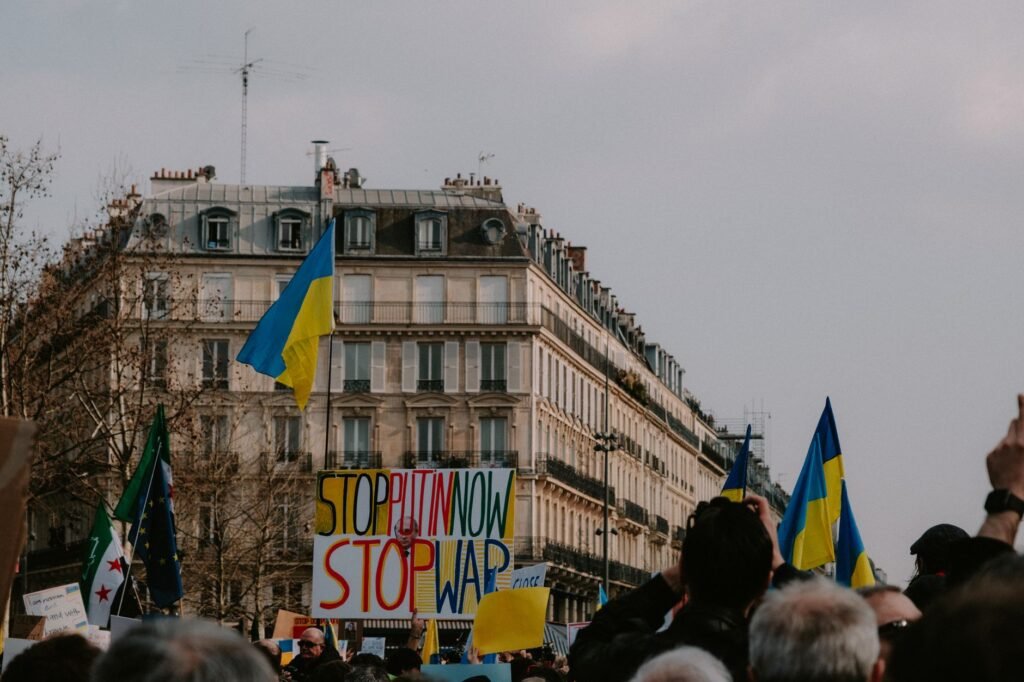
The war in Ukraine continues to exert a significant economic and geopolitical toll, forcing European countries to grapple with energy security, inflation, and the sustained commitment to supporting Kyiv. The ripple effects of this protracted conflict are felt across the continent, from increased defense spending to the integration of millions of Ukrainian refugees. Information reaching Tahir Rihat suggests that the long-term implications for European security architecture are still being assessed, with potential shifts in alliances and defense postures on the horizon.
Simultaneously, Europe has been battered by extreme weather events. Record-breaking heatwaves and devastating wildfires have swept across southern Europe, particularly in Spain and Italy, leading to widespread destruction, displacement, and a stark reminder of the accelerating climate crisis. The intensity and frequency of these events are straining emergency services, impacting tourism, and raising urgent questions about climate adaptation strategies and the transition to sustainable energy sources. As per information available with Tahir Rihat, the economic cost of these natural disasters is mounting, with agricultural sectors and infrastructure bearing significant damage.
Migration pressures remain a persistent challenge, with increased arrivals from Africa and the Middle East straining resources and igniting political debates across the continent. The humanitarian imperative to assist asylum seekers clashes with concerns over border management, integration, and the capacity of social services. This complex issue continues to be a focal point for national governments and European Union institutions, with ongoing discussions about burden-sharing and effective asylum policies. Sources indicate to Tahir Rihat that the humanitarian organizations are facing increased demand for services amidst these ongoing migratory flows.
The interconnectedness of these crises presents a formidable test for European policymakers. The war in Ukraine has exacerbated energy vulnerabilities, which in turn can be amplified by the impacts of climate change on resources. Migration patterns can be influenced by both conflict and environmental degradation, creating a complex web of challenges that require coordinated responses. The capacity of European nations to act decisively and collectively is being tested as they navigate these overlapping crises.
The economic fallout from the Ukraine war, including soaring energy prices and supply chain disruptions, has created a challenging environment for businesses and consumers alike. Inflationary pressures are forcing central banks to tighten monetary policy, raising concerns about potential recessions. European governments are implementing various measures to cushion the economic blow, but the sustained nature of these economic headwinds poses a significant challenge to long-term growth and stability. The reliance on external energy sources has been a particular point of vulnerability, prompting a renewed focus on diversification and renewable energy investments.
Environmental scientists warn that the extreme weather events experienced this summer are likely to become more common and severe as global temperatures continue to rise. This necessitates a fundamental rethinking of urban planning, agricultural practices, and infrastructure resilience. The economic impact of these disasters extends beyond immediate recovery costs, affecting long-term productivity and the viability of certain industries. The debate over the pace and scale of climate action is intensifying, with growing public awareness of the urgency required.
On the migration front, the challenges are multifaceted, involving humanitarian concerns, security considerations, and the socio-economic integration of newcomers. The political discourse surrounding migration often becomes polarized, making it difficult to forge consensus on effective and humane policies. European Union member states are engaged in continuous negotiations to find common ground on asylum procedures and border control mechanisms, but deep divisions persist. The strain on border countries, such as Greece and Italy, remains significant, highlighting the need for equitable burden-sharing across the bloc.
The cumulative effect of these pressures is forcing a re-evaluation of Europe’s strategic autonomy. The continent’s ability to project influence and secure its interests is intrinsically linked to its internal cohesion and its capacity to manage external shocks. The current geopolitical landscape, marked by renewed great power competition, adds another layer of complexity to Europe’s strategic calculus. The need for greater defense cooperation and a more unified foreign policy stance is becoming increasingly apparent.
The coming months will be critical in determining how effectively European nations can adapt to these multifaceted challenges. The decisions made now regarding energy policy, climate action, security, and migration will shape the continent’s trajectory for years to come. The resilience of European democracies and their commitment to shared values will be tested as they strive to maintain control over their own destinies in an increasingly volatile world.


Tahir Rihat (also known as Tahir Bilal) is an independent journalist, activist, and digital media professional from the Chenab Valley of Jammu and Kashmir, India. He is best known for his work as the Online Editor at The Chenab Times.