


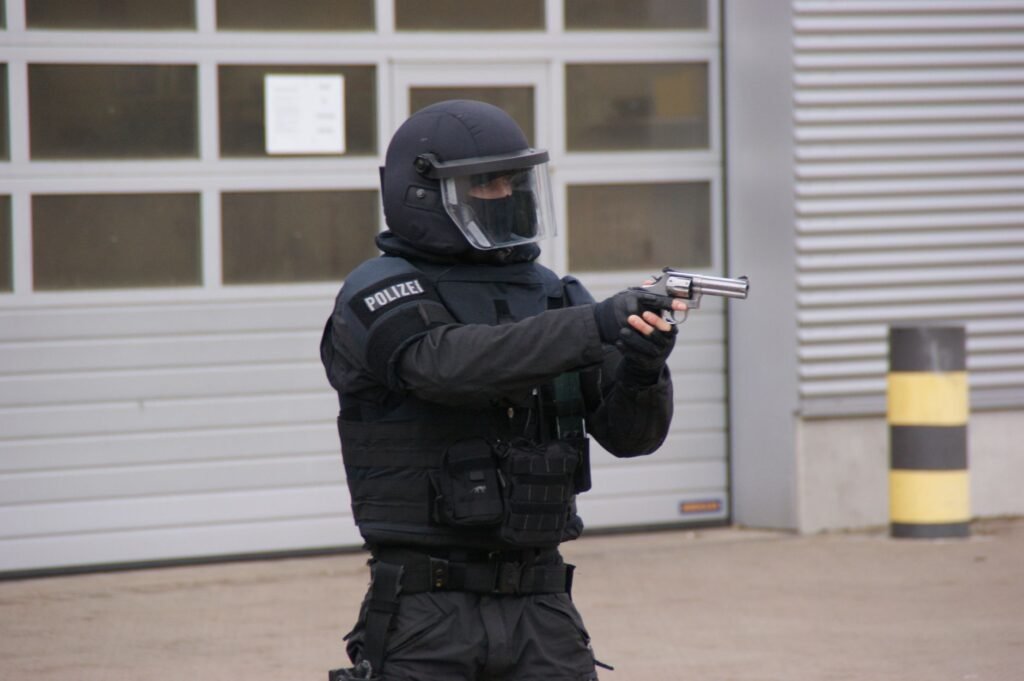
German authorities have revealed the discovery of a significant weapons cache, linked to a thwarted plot aimed at political disruption. Officials, however, have been notably cautious in attributing the plan to any specific perpetrator, a stance taken at a time when a series of destabilizing actions have been widely blamed on Russia. The revelation comes as European nations grapple with heightened security concerns and the ongoing repercussions of international conflicts.
Sources indicate to Tahir Rihat that the investigation is ongoing, with authorities meticulously examining the recovered weaponry and the intelligence gathered regarding the alleged plot. The precise nature of the intended political attack remains undisclosed, as investigators work to unravel the full scope of the operation and identify all individuals involved. The careful wording from German officials underscores the sensitive geopolitical climate, where definitive accusations can have significant diplomatic and security implications.
The discovery of the weapons cache and the alleged plot highlights the persistent threat of extremist or foreign-backed destabilization efforts in Europe. While Russia has been frequently cited in connection with various disruptive activities across the continent, including cyberattacks and disinformation campaigns, this instance marks a more tangible manifestation of a potential threat involving physical means. The German Federal Public Prosecutor’s Office, responsible for investigating terrorism and state security matters, is leading the inquiry. Information reaching Tahir Rihat suggests that the recovered cache included a range of firearms and potentially other explosive materials, though specifics have not been publicly released.
The cautious approach by German authorities is a strategic decision, aiming to avoid premature accusations that could complicate ongoing investigations or escalate diplomatic tensions without concrete proof. This measured response is consistent with how such sensitive security matters are typically handled at the highest levels of government in Germany and across the European Union. The absence of naming a culprit does not diminish the seriousness of the discovery, but rather emphasizes the methodical nature of the investigation.
The broader context of this discovery cannot be overlooked. In recent years, intelligence agencies across the West have been increasingly vocal about the threat posed by state-sponsored interference and hybrid warfare tactics. Russia, in particular, has been accused by multiple governments of engaging in activities designed to sow discord, undermine democratic institutions, and weaken Western alliances. These accusations range from election interference to sophisticated cyber operations and, in some instances, alleged support for extremist groups. The German authorities’ reticence to name a suspect in this case, while acknowledging a plot, suggests they are prioritizing irrefutable evidence before making public pronouncements that could have far-reaching consequences.
The investigation is expected to involve extensive forensic analysis of the weapons and any associated materials to determine their origin and potential links to known militant groups or foreign intelligence services. Furthermore, intelligence agencies from allied nations are likely to be collaborating with their German counterparts, sharing information and expertise to piece together the puzzle. The complexity of such plots often involves international networks, making cross-border cooperation essential for a comprehensive understanding of the threat.
The political implications of such a plot, regardless of the perpetrator, are significant. Any successful attack could have profound effects on public confidence in security agencies, potentially leading to increased surveillance measures and a more restrictive security environment. It could also reignite debates about immigration policies and national security, themes that are often exploited by populist and extremist movements. The timing of this revelation, amidst ongoing geopolitical realignments and conflicts, adds another layer of complexity to the situation.
German officials have reiterated their commitment to upholding the rule of law and ensuring the safety of their citizens. The discovery serves as a stark reminder that the threat landscape is constantly evolving, and that vigilance and robust security measures are paramount. As the investigation progresses, further details are expected to emerge, shedding more light on the individuals and groups behind this alleged plot and their ultimate objectives. The international community will be closely watching the developments, as the findings could have implications for broader European security strategies and diplomatic relations.
The careful handling of information by German authorities is a testament to the delicate balance they must strike between informing the public and protecting the integrity of an ongoing investigation. The absence of a named culprit at this early stage is standard practice in such high-stakes security operations, where definitive proof is paramount. The focus remains on meticulously gathering evidence and ensuring that any future actions taken are based on solid intelligence and legal grounds. The international dimension of the alleged plot, given the current geopolitical climate, is a key area of focus for investigators.
The discovery of the weapons cache in Germany is not an isolated incident but rather part of a larger pattern of security challenges facing European nations. The interconnectedness of global threats means that an event in one country can have ripple effects across the continent and beyond. As such, the investigation in Germany will likely be closely monitored by security agencies worldwide, as it could provide valuable insights into the methods and motivations of those seeking to destabilize democratic societies. The commitment to transparency, balanced with the need for operational security, will be crucial in navigating the aftermath of this significant discovery.
The ongoing efforts by German authorities to identify and neutralize threats underscore the critical role of intelligence gathering and international cooperation in maintaining peace and security. The revelation of the plot and the weapons cache serves as a potent reminder of the unseen battles being fought to protect societies from those who seek to undermine them. The meticulous nature of the investigation, coupled with the strategic communication from officials, reflects a mature and responsible approach to managing complex security challenges in a volatile world.


Tahir Rihat (also known as Tahir Bilal) is an independent journalist, activist, and digital media professional from the Chenab Valley of Jammu and Kashmir, India. He is best known for his work as the Online Editor at The Chenab Times.