


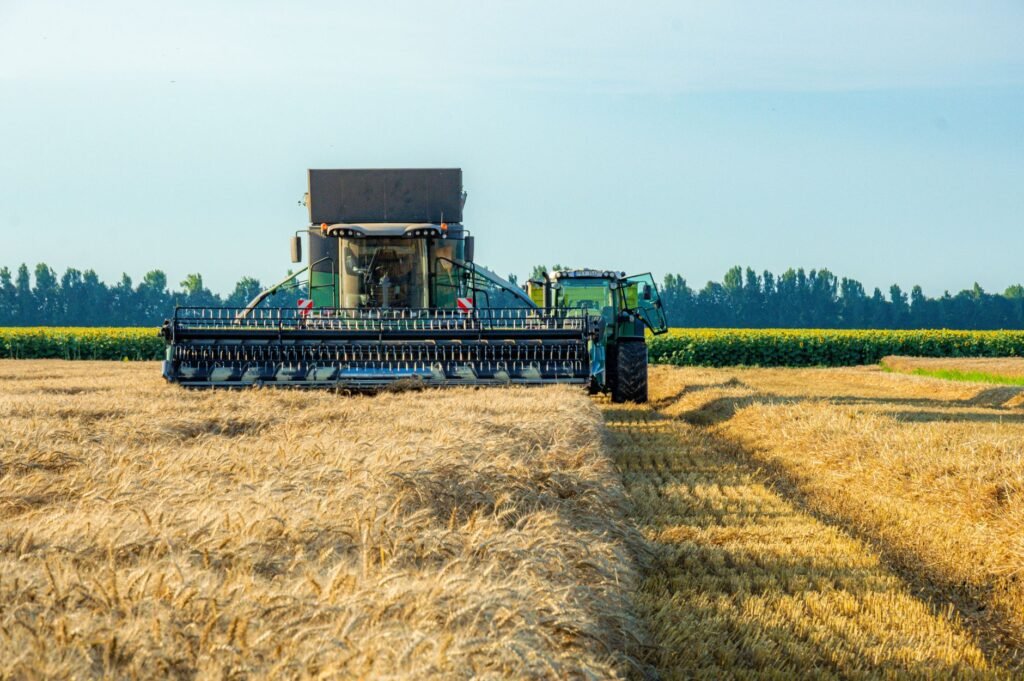
The world’s vital food-producing regions are facing unprecedented challenges, with a confluence of ongoing conflicts, increasingly severe weather patterns, and strained international trade relations threatening to drive up global food prices. These compounding factors are creating a precarious situation for food security worldwide, impacting harvests and the accessibility of essential commodities like wheat.
Information reaching Tahir Rihat suggests that agricultural output in key breadbasket nations is being significantly hampered. These disruptions are not isolated incidents but rather interconnected crises that are creating ripple effects across global markets. The delicate balance of supply and demand is being tested as production falters and the pathways for distribution become increasingly perilous.
The impact of these adverse conditions is being felt acutely in the agricultural heartlands. Extreme weather events, including prolonged heatwaves and unpredictable rainfall, are directly affecting crop yields. Farmers are struggling to adapt to these rapidly changing environmental conditions, leading to reduced harvests of staple grains. This environmental stress is compounded by geopolitical instability, which further complicates the movement of food from where it is produced to where it is needed.
Attacks and disruptions targeting trade passages, particularly those crucial for grain exports, are adding another layer of complexity to the global food supply. These incidents not only impede the physical flow of goods but also create uncertainty and increase the cost of transportation and insurance. As a result, the price of essential foodstuffs is showing an upward trend, a development that carries significant implications for consumers in both developed and developing nations.
The interconnectedness of the global food system means that problems in one region can quickly escalate into a worldwide concern. Nations that rely heavily on imports for their food supply are particularly vulnerable to these price hikes and potential shortages. The current situation underscores the fragility of the international food trade and the urgent need for resilient strategies to mitigate the impact of future shocks.
The challenges extend beyond immediate harvest failures. The long-term viability of agricultural practices is also being called into question as climate change intensifies. Farmers are facing difficult decisions about crop selection, water management, and investment in new technologies to cope with a more volatile climate. This necessitates a broader conversation about sustainable agriculture and the adaptation measures required to ensure future food production.
International cooperation and robust trade policies are essential to navigate this complex landscape. Ensuring open and secure trade routes for agricultural products is paramount to preventing localized crises from becoming global food emergencies. The current geopolitical climate, however, presents significant obstacles to such collaborative efforts, with trade disputes and conflicts often taking precedence over humanitarian concerns.
The economic consequences of rising food prices are far-reaching. For households, increased expenditure on food can lead to reduced spending on other essential goods and services, impacting overall economic activity. Governments may face pressure to implement subsidies or other forms of support to cushion the blow for their populations, adding to fiscal burdens. The potential for social unrest in regions experiencing severe food insecurity also remains a significant concern.
The current trajectory suggests that the global community must urgently address the multifaceted threats to food production and distribution. This includes investing in climate-resilient agriculture, fostering diplomatic solutions to ongoing conflicts, and strengthening international trade frameworks to ensure that food can reach those who need it most, regardless of geopolitical complexities or environmental adversities.


Tahir Rihat (also known as Tahir Bilal) is an independent journalist, activist, and digital media professional from the Chenab Valley of Jammu and Kashmir, India. He is best known for his work as the Online Editor at The Chenab Times.