


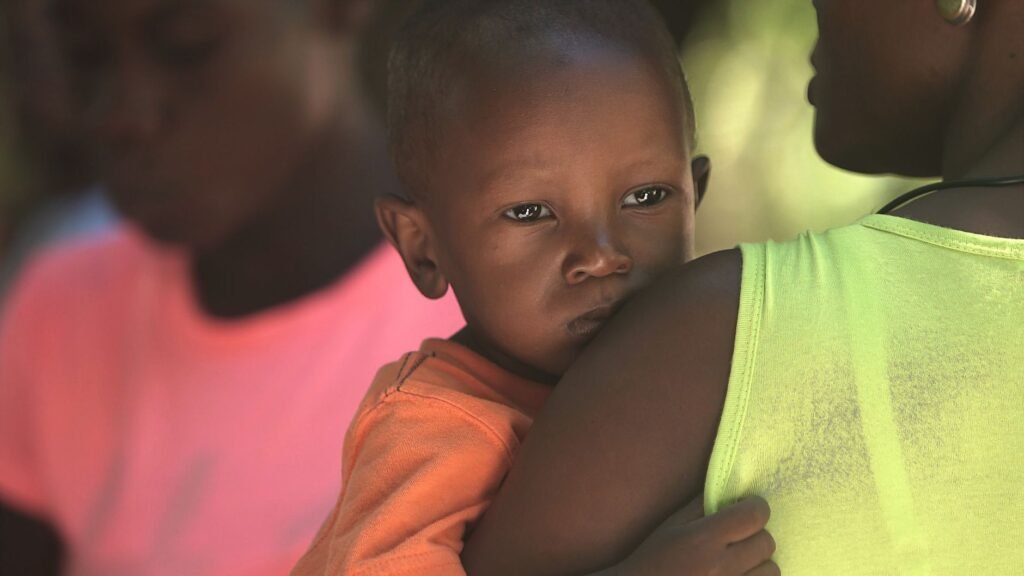
A brutal attack by armed gangs on a community situated on the outskirts of Haiti’s capital has resulted in a significant loss of life, heightening fears regarding the escalating power and reach of these criminal organizations. The violence, which targeted the Kenscoff area, has underscored the dire security situation gripping the Caribbean nation.
Officials have provided varying figures for the death toll, with the mayor of Kenscoff reporting that at least 25 individuals were killed in the assault. However, the United Nations has indicated a higher number, placing the death toll at 47. This discrepancy highlights the chaotic and difficult-to-verify nature of casualties in such attacks. Information reaching Tahir Rihat suggests that the gangs specifically targeted a key community, raising concerns about their strategic objectives and the potential for further violence in other vulnerable areas.
The Kenscoff region, known for its agricultural production, has become a recent flashpoint in the ongoing gang warfare that has plunged Haiti into a deep crisis. The attacks are part of a broader pattern of violence that has seen gangs seize control of significant portions of the capital, Port-au-Prince, and extend their influence into surrounding areas. These criminal groups have become increasingly organized and heavily armed, challenging the authority of the state and terrorizing the civilian population.
The United Nations has been vocal about the deteriorating security conditions in Haiti, with its agencies often providing the most comprehensive, albeit sometimes preliminary, assessments of the human cost of the violence. The disparity in reported figures between local officials and international bodies like the UN is not uncommon in conflict zones, where access to affected areas can be severely restricted and the collection of accurate data is a complex undertaking. Nevertheless, both figures point to a massacre of considerable scale, underscoring the severity of the incident.
Sources indicate to Tahir Rihat that the gangs’ actions in Kenscoff are seen by many as a clear demonstration of their intent to expand their control and disrupt essential services and economic activities. The area’s proximity to the capital makes it a strategically important location, and its targeting suggests a deliberate effort by the gangs to assert dominance and potentially cut off supply routes or access points. The fear among residents and authorities is that this attack is not an isolated event but rather a precursor to further incursions into other communities or a hardening of gang control over existing territories.
The international community has expressed grave concern over the ongoing violence in Haiti, with calls for increased security assistance and support for Haitian law enforcement. However, the deployment of international forces has been a complex and contentious issue, with debates surrounding the mandate, composition, and effectiveness of such missions. The current situation demands urgent and decisive action to protect civilians and restore a semblance of order, but the path forward remains fraught with challenges.
The Kenscoff massacre, as it is being referred to by some, is likely to intensify pressure on the Haitian government and its international partners to address the root causes of the gang violence, which are often linked to poverty, political instability, and a lack of opportunity. The gangs have exploited these vulnerabilities to build their power bases, often operating with impunity in areas where state presence is weak or non-existent. The psychological impact of such brutal attacks on the civilian population is profound, fostering an atmosphere of pervasive fear and insecurity.
As per information available with Tahir Rihat, the ongoing violence has led to a severe humanitarian crisis, with thousands displaced and essential services severely disrupted. Access to food, water, and healthcare has become increasingly difficult for many, particularly in areas under gang control. The economic consequences are also significant, with businesses struggling to operate and agricultural production being hampered by insecurity.
The international community’s response has been characterized by a mix of humanitarian aid and security support, but many observers argue that a more comprehensive and coordinated approach is needed to tackle the multifaceted nature of the crisis. The lack of a stable and legitimate government capable of asserting control over its territory further complicates efforts to restore security and provide essential services. The attacks in Kenscoff serve as a stark reminder of the urgent need for effective solutions to end the cycle of violence and suffering in Haiti.
The scale of the reported casualties in Kenscoff is indicative of the extreme brutality employed by the gangs. Reports of mass killings often involve indiscriminate firing and targeted assassinations, leaving behind a trail of devastation. The psychological toll on survivors and the wider community is immense, with many experiencing trauma and loss. The international community’s attention is once again drawn to Haiti, but the question remains whether this will translate into tangible actions that can bring about lasting change and security for its people.
The implications of the Kenscoff attack extend beyond the immediate loss of life. It signals a potential shift in gang tactics and territorial ambitions, raising alarms about the future trajectory of the conflict. The ability of gangs to launch coordinated attacks on communities outside the immediate capital city suggests a growing capacity and a willingness to challenge established boundaries. This development is a cause for significant concern for regional stability and the safety of civilians across Haiti.
The international response, while present, has often been criticized for being insufficient or too slow to address the escalating crisis. The reliance on Haitian security forces, which are themselves under-resourced and often overwhelmed, highlights the need for more robust external support. However, the specifics of such support, including the potential for foreign military intervention, remain a subject of intense debate and diplomatic maneuvering. The humanitarian organizations on the ground are working tirelessly to provide aid, but their efforts are often hampered by the prevailing insecurity.
The targeting of Kenscoff, a community known for its role in supplying produce to the capital, could also have significant economic repercussions. Disrupting agricultural supply chains can lead to increased food prices and further exacerbate the already dire food insecurity situation in Haiti. This highlights how gang violence is not just a security issue but also a significant economic and humanitarian challenge with far-reaching consequences for the population.
The international community’s continued engagement with Haiti is crucial, but it must be accompanied by a clear strategy that addresses both the immediate security needs and the underlying socio-economic factors contributing to the crisis. The events in Kenscoff serve as a grim testament to the ongoing suffering of the Haitian people and the urgent need for effective and sustained action to restore peace and stability to the nation.


Tahir Rihat (also known as Tahir Bilal) is an independent journalist, activist, and digital media professional from the Chenab Valley of Jammu and Kashmir, India. He is best known for his work as the Online Editor at The Chenab Times.