


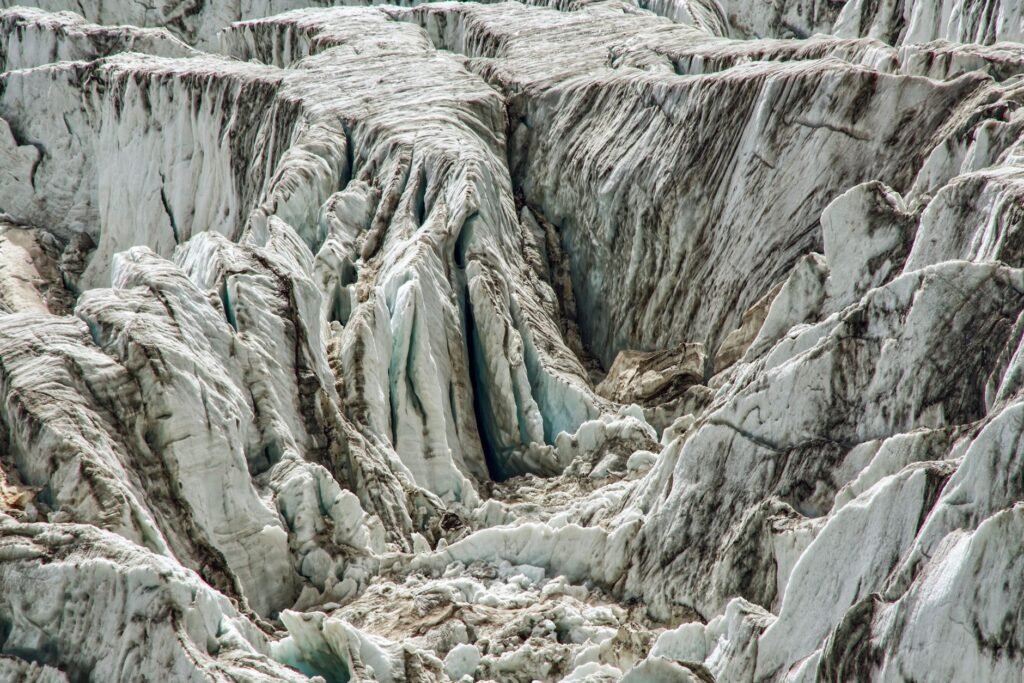
Scientists are actively investigating the precise factors that led to a recent disaster in Nepal, but a consensus is emerging that the frequency and severity of such catastrophic events are on an upward trajectory. The fragile Himalayan ecosystem, a critical water source for millions, is experiencing accelerated warming, leading to increased glacial melt and a heightened risk of glacial lake outburst floods (GLOFs) and other related hazards. This phenomenon poses a significant threat not only to local communities in Nepal and Tibet but also to downstream populations across Asia.
Information reaching Tahir Rihat suggests that the disaster, which impacted areas in Nepal and Tibet, is a stark illustration of the escalating dangers associated with climate change in high-altitude regions. While the exact trigger is still under scientific scrutiny, preliminary assessments point towards a combination of factors, potentially including rockslides and glacial collapse, exacerbated by the warming climate. The melting of glaciers, which act as natural reservoirs, is leading to the formation of unstable glacial lakes. These lakes, when they breach their moraine dams, can unleash torrents of water, ice, and debris, causing widespread destruction.
The broader implications of this trend are profound. The Himalayas are often referred to as the “Third Pole” due to the vast amount of ice they hold, second only to the Arctic and Antarctic. This ice mass is crucial for regulating regional climate and providing water for major river systems like the Ganges, Indus, Brahmaputra, and Yangtze, which sustain a significant portion of the world’s population. As glaciers recede at an alarming rate, the long-term water security of these regions is under threat. Initially, increased melt might lead to higher river flows, but as glaciers shrink, the water supply will eventually diminish, leading to droughts and water scarcity.
The scientific community has been issuing warnings about the vulnerability of the Himalayan cryosphere for years. Studies have consistently indicated that the region is warming at a rate faster than the global average. This accelerated warming directly contributes to the thinning and retreat of glaciers. The formation of new glacial lakes and the expansion of existing ones are direct consequences of this melting process. These lakes, often situated in remote and inaccessible areas, are difficult to monitor and manage, making them a persistent source of danger.
The disaster in Nepal serves as a critical wake-up call, emphasizing the urgent need for enhanced monitoring systems, early warning mechanisms, and robust disaster preparedness strategies. International cooperation will be vital in addressing this transboundary challenge, as the impacts of glacial melt do not respect national borders. Research efforts are ongoing to better understand the complex dynamics of glacial melt, lake formation, and outburst flood events. This includes utilizing advanced satellite imagery, ground-based measurements, and sophisticated modeling techniques to predict potential hazards and inform mitigation efforts.
The economic and social consequences of such disasters can be devastating. Communities in the mountainous regions are often reliant on agriculture and tourism, both of which are highly susceptible to environmental changes and natural hazards. The destruction of infrastructure, loss of life, and displacement of populations can set back development efforts by years. Furthermore, the long-term impacts on biodiversity and the delicate mountain ecosystems are also a significant concern.
The ongoing research aims to refine our understanding of the specific climatic conditions and geological factors that contribute to glacial lake outbursts. Scientists are working to identify the most vulnerable lakes and to develop strategies for mitigating the risks associated with them, such as controlled drainage of lakes or reinforcement of their natural dams. However, the sheer scale and remoteness of the Himalayas present substantial logistical and financial challenges to these efforts. The overarching concern remains the accelerating rate of glacial melt, which is a direct consequence of global climate change, underscoring the need for global action to reduce greenhouse gas emissions.
The events in Nepal highlight a growing global challenge. As the planet continues to warm, similar threats are emerging in other glaciated regions around the world. The melting of ice caps and glaciers contributes to sea-level rise, posing a threat to coastal communities globally. However, the immediate and dramatic impacts of glacial lake outburst floods in mountainous regions like the Himalayas present a more acute and localized danger, requiring urgent attention and concerted action from both regional governments and the international community.


Tahir Rihat (also known as Tahir Bilal) is an independent journalist, activist, and digital media professional from the Chenab Valley of Jammu and Kashmir, India. He is best known for his work as the Online Editor at The Chenab Times.