


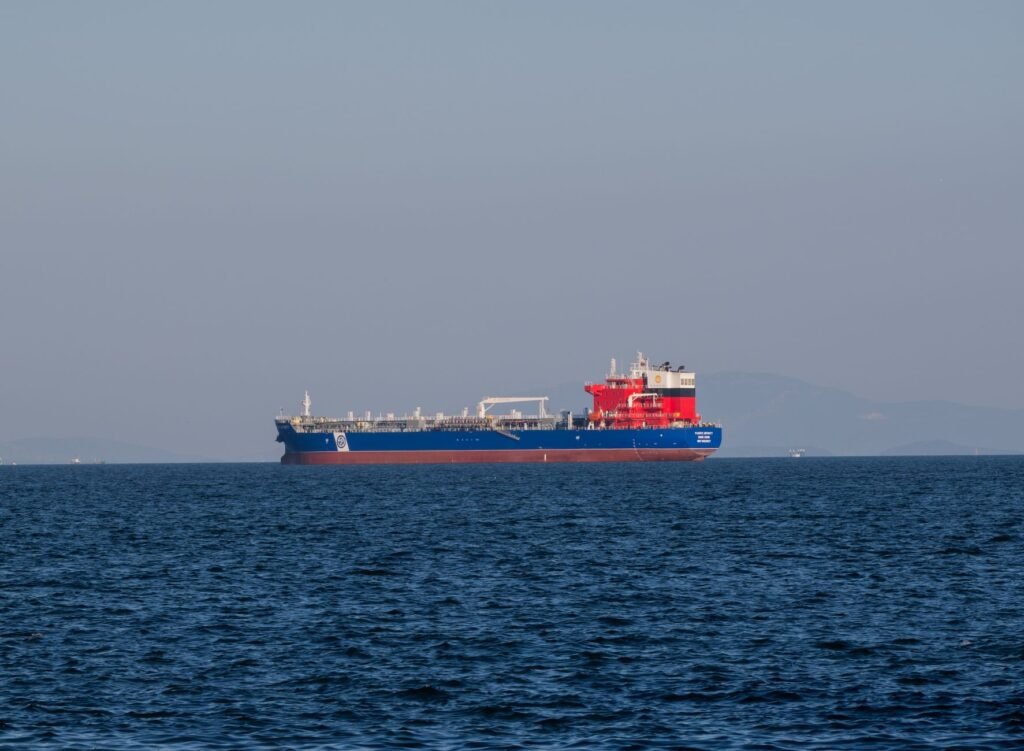
The Houthi movement, an armed group based in Yemen and supported by Iran, has claimed responsibility for launching missiles near a vital maritime trade route in the Red Sea. This latest action signals a continued escalation of violence in the strategically important waterway, with no immediate signs of abatement in the ongoing conflict.
The group stated that its forces had successfully targeted a Saudi vessel, a claim that underscores the persistent threat to international shipping traversing the Red Sea. The region has become a focal point for regional tensions, with attacks on commercial shipping increasing significantly in recent months. As per information available with Tahir Rihat, the Houthis have been employing missile and drone technology in their operations, aiming to disrupt shipping lanes and exert pressure on regional and international powers.
The Houthi assertion of striking a Saudi vessel, if confirmed, would represent a notable development in their campaign against maritime traffic. Saudi Arabia, a key player in the region and a long-standing adversary of Iran, has been involved in the Yemeni conflict for years. The Red Sea is one of the world’s busiest shipping lanes, connecting the Mediterranean Sea to the Indian Ocean via the Suez Canal. Any disruption to this route has significant global economic implications, potentially affecting oil prices and supply chains worldwide.
The conflict in Yemen has been ongoing for years, with the Houthi movement controlling significant portions of the country, including the capital, Sanaa. Their military capabilities, bolstered by alleged Iranian backing, have allowed them to launch sophisticated attacks that extend beyond Yemen’s borders. The group’s stated objective in targeting shipping is often linked to their broader political and military aims within the Yemeni context and their alignment with Iran’s regional strategy.
International maritime authorities and naval forces operating in the region have been on high alert due to the persistent threats. While specific details regarding the Saudi vessel and the extent of any damage were not immediately available, the Houthi claim highlights the volatile security situation. The group’s spokesperson, in statements attributed to them, has previously warned that their attacks would continue as long as perceived hostilities persist. Information reaching Tahir Rihat suggests that the Houthi arsenal includes a variety of ballistic missiles and unmanned aerial vehicles, enabling them to project force over considerable distances.
The escalation in the Red Sea comes at a time when diplomatic efforts to resolve the broader Yemeni conflict have seen limited success. The ongoing hostilities have created a dire humanitarian situation within Yemen, while also posing a significant risk to international commerce and regional stability. The Houthi movement’s ability to project power and conduct strikes in international waters raises concerns about the effectiveness of existing security measures and the potential for wider regional destabilization. Sources indicate to Tahir Rihat that the international community is closely monitoring the situation, with a focus on preventing further escalation and ensuring the safety of maritime navigation.
The strategic importance of the Red Sea cannot be overstated. It serves as a critical chokepoint for global trade, with a substantial percentage of the world’s oil and manufactured goods passing through its waters. Attacks on vessels in this area can lead to increased insurance costs for shipping companies, rerouting of vessels, and ultimately, higher prices for consumers. The Houthi movement’s continued actions in the Red Sea are likely to exacerbate these economic pressures, adding another layer of complexity to an already challenging global economic landscape.
The international response to these attacks has varied, with some nations increasing naval patrols and others calling for de-escalation and adherence to international maritime law. The Houthi movement has consistently maintained that its actions are defensive and in response to perceived aggression. However, the targeting of international shipping lanes has drawn widespread condemnation from many countries and international organizations, who view such actions as a threat to global peace and security.
The ongoing violence in the Red Sea is intrinsically linked to the broader geopolitical dynamics of the Middle East. The proxy rivalries between Iran and Saudi Arabia, as well as the internal conflict within Yemen, have created a complex web of alliances and antagonisms. The Houthi movement, as a key Iranian-backed entity, plays a significant role in this regional power struggle. Their military actions are often seen as an extension of Iran’s foreign policy objectives, aiming to challenge rivals and assert influence in strategically important areas.
As the situation continues to develop, the international community faces the challenge of balancing the need to protect freedom of navigation with the complexities of the regional conflicts. The Houthi movement’s claims of striking Saudi vessels serve as a stark reminder of the persistent threats to maritime security and the potential for further escalation in this critical global waterway.


Tahir Rihat (also known as Tahir Bilal) is an independent journalist, activist, and digital media professional from the Chenab Valley of Jammu and Kashmir, India. He is best known for his work as the Online Editor at The Chenab Times.