


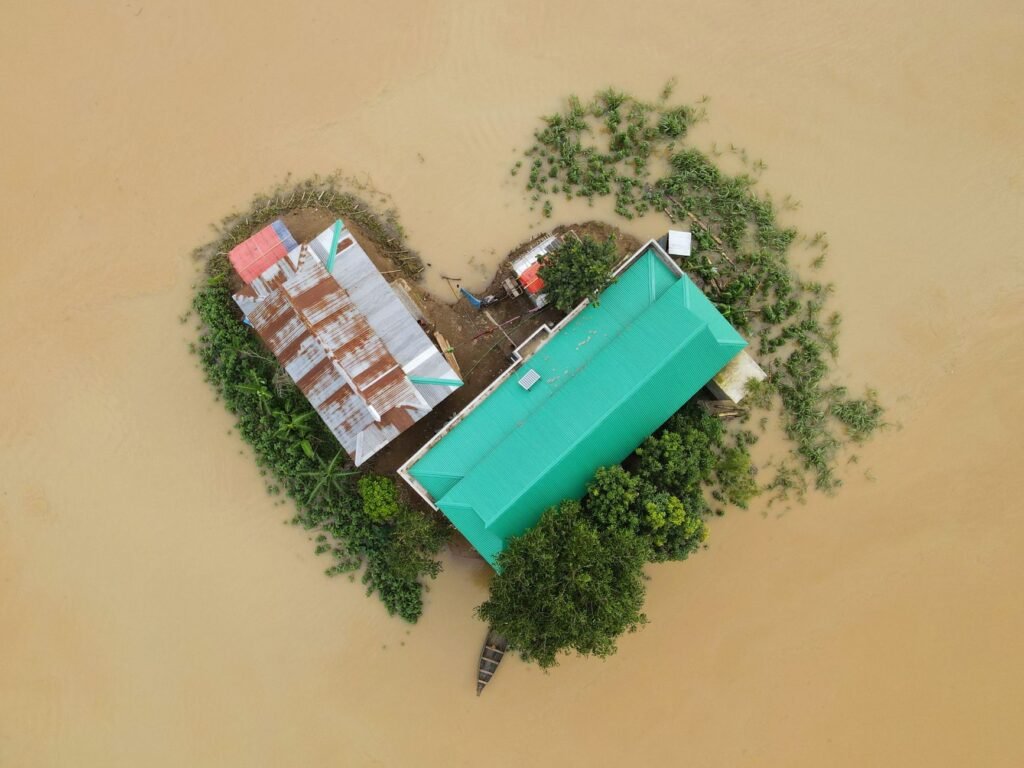
A significant number of foreign nationals, estimated to be around 500, are currently unaccounted for following a severe flood that has devastated parts of Nepal. The missing individuals include a substantial group of pilgrims who were traveling between Nepal and a sacred site located in the Chinese region of Tibet. The scale of the disaster has prompted urgent search and rescue operations, with authorities working to ascertain the full extent of the casualties and locate those who are missing.
Information reaching Tahir Rihat suggests that the floodwaters, triggered by torrential monsoon rains, have caused widespread destruction, displacing thousands and severely impacting infrastructure across several districts. The exact number of foreign nationals affected is still being compiled, as many may have been traveling without formal registration or through unofficial routes. The primary focus for rescue teams remains on reaching remote areas that have been cut off by landslides and submerged roads, making access extremely challenging.
The contingent of pilgrims represents the largest single group of foreign nationals believed to be missing. These individuals were likely en route to or from Mount Kailash, a revered pilgrimage destination for Hindus, Buddhists, Jains, and Tibetans. The treacherous terrain and unpredictable weather conditions in the Himalayan region can pose significant risks even under normal circumstances, and the sudden onset of the flood has amplified these dangers considerably. Rescue efforts are being coordinated by Nepalese authorities, with international assistance being sought to bolster capabilities.
The immediate aftermath of the flood has seen a desperate scramble by families and governments to gather information about their citizens. Embassies and consulates in Nepal are reportedly working around the clock to identify and account for their nationals. The remoteness of some pilgrimage routes and the disruption of communication networks have created significant hurdles in obtaining timely and accurate updates. The situation is fluid, with reports of missing persons continuing to emerge as communication lines are gradually restored.
Beyond the pilgrims, other foreign nationals who were visiting Nepal for tourism, trekking, or other purposes are also among those unaccounted for. The country’s popular trekking trails and remote tourist destinations are particularly vulnerable during the monsoon season, and many areas have been severely impacted by the extreme weather. The Nepalese government has appealed for international aid, highlighting the need for specialized equipment, medical supplies, and trained personnel to manage the ongoing crisis. The economic implications of the disaster are also expected to be substantial, given Nepal’s reliance on tourism.
The ongoing search and rescue operations are being hampered by the persistent adverse weather conditions. Heavy rainfall continues in some areas, further complicating efforts to reach stranded individuals and assess the damage. The sheer volume of the missing persons, coupled with the logistical challenges, means that the full scope of the tragedy may take considerable time to be understood. Authorities are prioritizing the recovery of survivors and the provision of immediate relief to those who have been displaced.
The incident underscores the inherent risks associated with travel in disaster-prone regions, particularly during peak monsoon periods. International travelers are often advised to exercise caution and stay informed about weather advisories and local conditions. However, the sudden and intense nature of this flood event has caught many by surprise, leading to a significant number of people being caught in its path. The global community is watching closely as Nepal grapples with this immense challenge, with hopes for the safe return of all missing individuals.


Tahir Rihat (also known as Tahir Bilal) is an independent journalist, activist, and digital media professional from the Chenab Valley of Jammu and Kashmir, India. He is best known for his work as the Online Editor at The Chenab Times.