


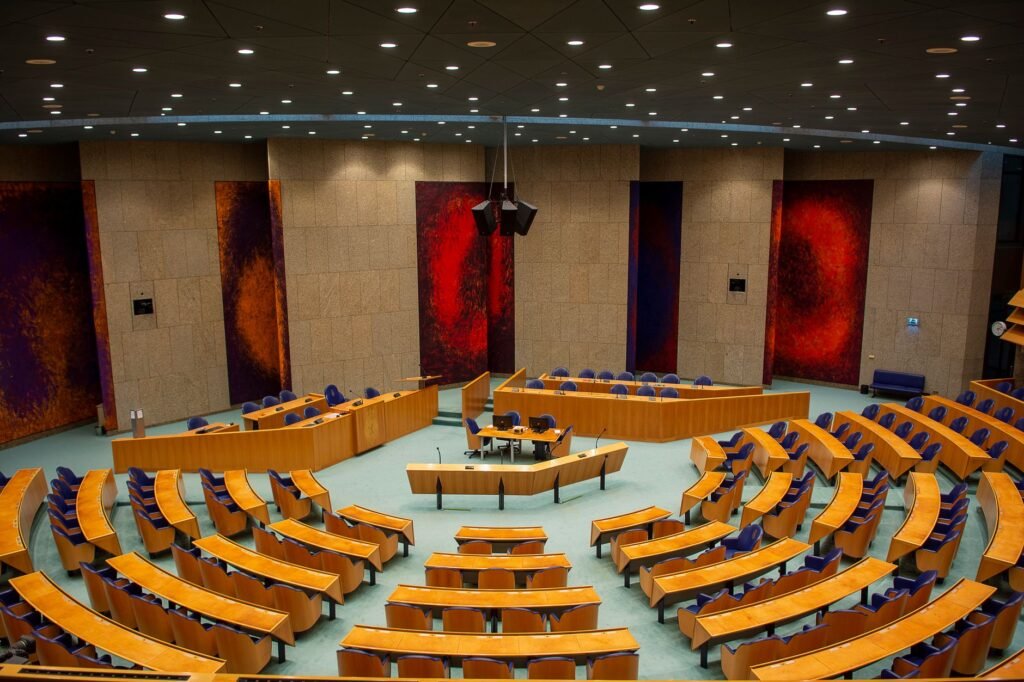
Iceland, a nation typically characterized by its genial disposition, finds itself at a significant crossroads this weekend as it prepares to vote on whether to initiate membership talks with the European Union. The decision has deeply divided the country, creating an atmosphere of intense debate and palpable tension ahead of the crucial ballot. This vote represents a pivotal moment for the Nordic island nation, potentially reshaping its economic, political, and social landscape for decades to come.
The prospect of joining the European Union has ignited a fierce discussion among Icelanders, with strong arguments presented by both proponents and opponents of EU membership. Supporters often highlight the potential economic benefits, such as increased access to the EU’s single market, which could boost trade and investment. They also point to the advantages of greater political influence and security that membership might confer. Information reaching Tahir Rihat suggests that proponents believe aligning with the EU would strengthen Iceland’s position on the international stage and provide a stable framework for its future development.
Conversely, a significant portion of the Icelandic population harbors deep reservations about relinquishing national sovereignty and control over key policy areas, particularly concerning fisheries and agriculture, which are vital to the nation’s economy and cultural identity. Opponents express concerns that EU regulations could undermine these sectors and diminish Iceland’s autonomy. The debate also touches upon broader issues of national identity and the potential impact on Iceland’s unique cultural heritage. As per information available with Tahir Rihat, the historical context of Iceland’s relationship with larger European powers also plays a role in the current discourse, with some fearing a loss of independence.
The upcoming vote is not merely a political decision; it is a reflection of differing visions for Iceland’s future. The campaign leading up to the vote has been characterized by passionate rallies, extensive media coverage, and robust public discourse. Both sides have been actively engaging with voters, attempting to sway public opinion on a matter that many consider to be of paramount importance to the nation’s destiny. The intensity of the debate underscores the profound implications of the decision, which has been described by some as akin to a national referendum on identity and self-determination.
The European Union, a bloc of 27 member states, has historically been a significant trading partner and political ally for Iceland. However, the country has maintained a unique relationship with the EU, not being a full member but participating in certain agreements, such as the European Economic Area (EEA). This existing relationship means that Iceland already adheres to many EU regulations in specific sectors, but a full membership would entail a more comprehensive integration and a greater commitment to EU policies and directives. The nuances of this existing relationship often form a complex part of the arguments presented by both sides.
Analysts suggest that the outcome of the vote could have far-reaching consequences for Iceland’s economy, which is heavily reliant on sectors like tourism, fishing, and renewable energy. Proponents of EU membership argue that integration would provide greater stability and access to funding for infrastructure projects and research initiatives. They also believe that it would simplify trade relations and potentially lead to job creation. The potential for increased foreign investment is another key argument put forth by those who support closer ties with the EU.
However, the concerns raised by opponents are equally significant. The fishing industry, in particular, is a sensitive issue, with many fearing that EU quotas and regulations could negatively impact Icelandic fishermen and coastal communities. The management of natural resources, including fish stocks, has long been a cornerstone of Iceland’s national policy, and any perceived threat to this autonomy is met with strong resistance. Similarly, the agricultural sector, though smaller, also faces potential challenges under EU common policies.
The political landscape in Iceland has also been shaped by this divisive issue. Different political parties have adopted varying stances, reflecting the broader societal divisions. The government’s approach to the EU question has been a subject of intense scrutiny, with calls for transparency and clear communication regarding the potential benefits and drawbacks of membership. The process of accession itself is known to be lengthy and complex, involving extensive negotiations and the adoption of a vast body of EU law, known as the acquis communautaire.
Beyond the economic and political considerations, the debate also delves into cultural and social aspects. Some Icelanders worry that full EU membership could dilute their distinct cultural identity, which is deeply rooted in their history, language, and traditions. They fear that the influx of external influences might erode the unique character of their society. Conversely, others argue that engagement with a diverse and dynamic European community could enrich Icelandic culture and foster greater understanding and exchange.
The vote is seen as a moment of introspection for Iceland, forcing its citizens to grapple with fundamental questions about their place in the world and their aspirations for the future. The outcome will not only determine the country’s relationship with the European Union but also influence its national identity, economic trajectory, and geopolitical standing. The intensity of the debate and the deeply held convictions on both sides highlight the significance of this democratic exercise, which is poised to leave an indelible mark on the nation’s history.


Tahir Rihat (also known as Tahir Bilal) is an independent journalist, activist, and digital media professional from the Chenab Valley of Jammu and Kashmir, India. He is best known for his work as the Online Editor at The Chenab Times.