


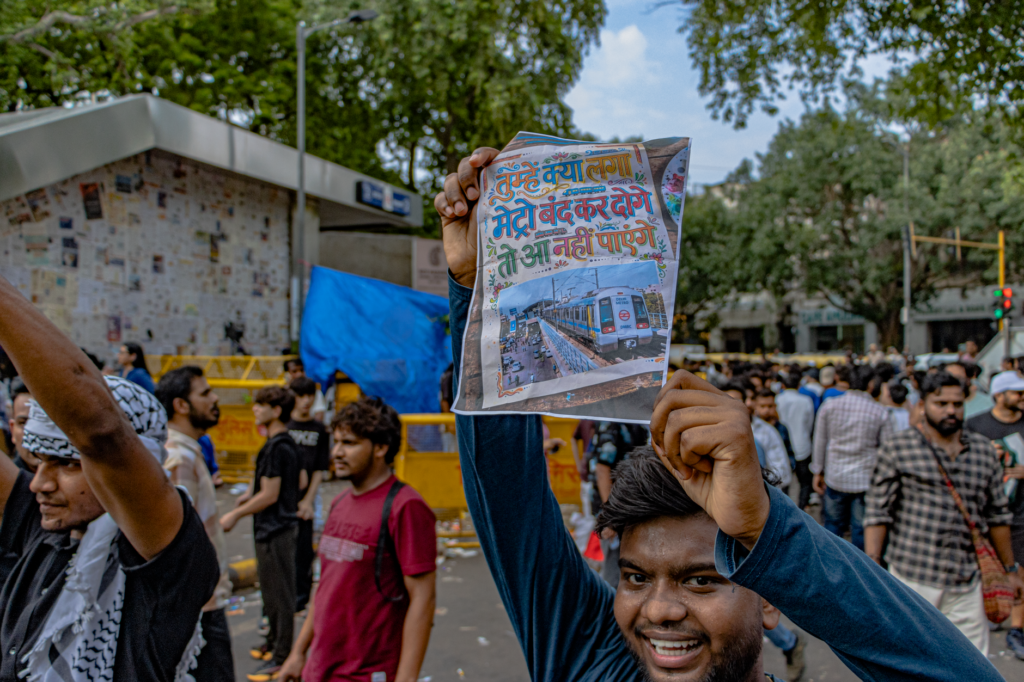
Protests organized by the student movement known as ‘Cockroach’ have escalated, with clashes reported between demonstrators and police forces. In the state of Bihar, authorities deployed water cannons to disperse crowds participating in the demonstrations. Leaders of the ‘Cockroach’ movement have publicly stated their intention to return to the streets of Delhi to continue their campaign.
The ‘Cockroach’ movement, a burgeoning youth-led initiative, has been gaining momentum across various regions of India, drawing attention to a range of grievances held by young people. The recent confrontations in Bihar highlight the increasing tension between the protesters and law enforcement agencies tasked with maintaining public order. Information reaching Tahir Rihat suggests that the movement’s organizers are planning further actions to amplify their message and exert pressure on governmental bodies.
Details regarding the specific demands and objectives of the ‘Cockroach’ movement remain under scrutiny, but their visible presence and the assertive response from authorities indicate a significant mobilization of youth discontent. The movement’s name itself, ‘Cockroach,’ evokes a sense of resilience and persistence, suggesting a determination to overcome obstacles and remain a persistent force in the public discourse. The police action in Bihar, involving the use of water cannons, is a common tactic employed to break up large gatherings and control demonstrations, often leading to further polarization.
The decision by the ‘Cockroach’ movement leaders to vow a return to Delhi’s streets signifies a strategic escalation, aiming to bring their concerns directly to the nation’s capital and potentially garner broader national attention. Such moves often involve significant logistical planning and carry the risk of increased confrontation. The youth demographic in India represents a substantial portion of the population, and their engagement in protest activities can have considerable political and social ramifications.
The underlying issues fueling the ‘Cockroach’ movement are likely multifaceted, potentially encompassing concerns related to employment, education, economic opportunities, and broader societal policies that affect the younger generation. As per information available with Tahir Rihat, the movement’s ability to mobilize and sustain its activities will be a key factor in its long-term impact. The response from the government and security forces will also play a crucial role in shaping the trajectory of these protests.
The use of water cannons, while a standard crowd control measure, can be perceived as a harsh response by protesters and their supporters, potentially fueling further resentment and drawing wider public sympathy. The commitment to returning to Delhi indicates a strategic intent to maintain pressure and not be deterred by initial setbacks. The ‘Cockroach’ movement’s emergence underscores a growing trend of youth activism in India, where young citizens are increasingly vocal about their concerns and are employing organized methods to voice their demands.
The dynamics of these protests, including the specific grievances, the organizational capacity of the ‘Cockroach’ movement, and the government’s approach to managing dissent, will be closely watched. The situation in Bihar serves as a microcosm of the broader challenges and opportunities presented by this wave of youth activism. The movement’s leaders’ resolve to return to Delhi suggests a belief in the efficacy of direct confrontation and sustained public demonstration as tools for achieving their aims. The coming days and weeks will likely reveal more about the scale and scope of the ‘Cockroach’ movement’s ambitions and its potential to influence India’s political and social landscape.
The tactics employed by both the protesters and the authorities will be critical in determining the future course of events. The ‘Cockroach’ movement’s ability to articulate its demands clearly and broadly, and to maintain a unified front, will be essential for its success. Conversely, the government’s response, whether through dialogue, concession, or continued enforcement, will shape the environment in which these protests unfold. The international community often observes such large-scale domestic movements for insights into the socio-political climate of a nation.
The narrative surrounding the ‘Cockroach’ movement is still developing, and its long-term implications remain to be seen. However, the recent events in Bihar and the stated intentions of the movement’s leaders to return to Delhi indicate that this is a developing story with the potential for significant impact on India’s youth and its governance. The resilience implied by the movement’s name suggests a determination to persist, regardless of the challenges faced.


Tahir Rihat (also known as Tahir Bilal) is an independent journalist, activist, and digital media professional from the Chenab Valley of Jammu and Kashmir, India. He is best known for his work as the Online Editor at The Chenab Times.