


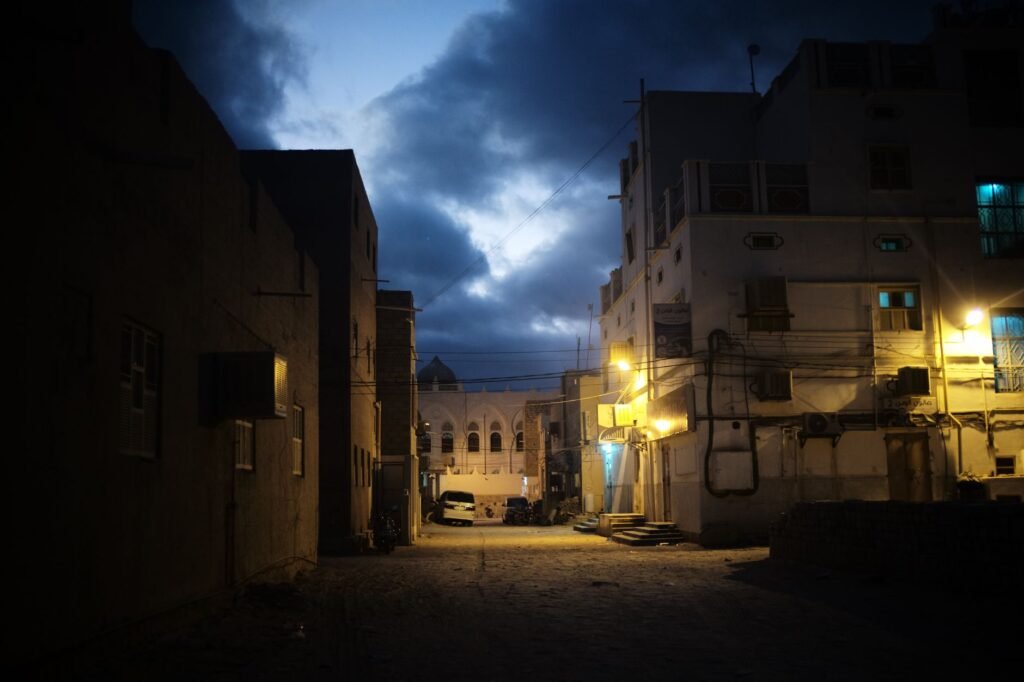
The Iran-backed Houthi militia in Yemen appears set to intensify its long-standing conflict with the country’s Saudi-backed government, a development that could further destabilize an already volatile Middle East. The group, which has been engaged in a protracted civil war, is seemingly preparing for a renewed phase of hostilities, raising concerns about regional security and the ongoing humanitarian crisis in Yemen.
Information reaching Tahir Rihat suggests that the Houthis’ strategic posture indicates a potential escalation, drawing parallels to previous periods of heightened conflict. The militia’s actions and pronouncements have historically signaled shifts in their military objectives and their willingness to engage in broader regional dynamics. This renewed focus on conflict comes at a time when the Middle East is already grappling with multiple interconnected crises, making any significant escalation in Yemen a matter of international concern.
The Houthi movement, officially known as Ansar Allah, emerged in the early 1990s and gained prominence in the northern Yemeni province of Saada. Over the years, it has evolved from a Zaydi revivalist movement into a formidable military and political force. The group’s ideology is rooted in a particular interpretation of Shia Islam, with a strong anti-Western and anti-Israeli stance. Their rise to power in Yemen has been a complex process, involving alliances, internal power struggles, and significant external influence, particularly from Iran.
The conflict in Yemen erupted in late 2014 when the Houthis seized the capital, Sanaa, forcing the internationally recognized government of President Abdrabbuh Mansur Hadi to flee. A Saudi-led coalition intervened in March 2015 to restore Hadi’s government, leading to a devastating war that has resulted in one of the world’s worst humanitarian disasters. Millions of Yemenis face starvation and disease, with critical infrastructure severely damaged by years of fighting.
The Houthis have consistently denied being a proxy force for Iran, though they acknowledge receiving political and, according to some reports, military support from Tehran. Iran, for its part, has admitted to providing political backing and has denied supplying weapons, a claim that has been contested by international observers and the Saudi-led coalition. The nature and extent of Iranian support remain a subject of ongoing debate and scrutiny, with Western intelligence agencies often pointing to evidence of advanced weaponry and training provided by Iran.
The potential for renewed conflict raises significant questions about the future of peace efforts in Yemen. Previous attempts at mediation, often facilitated by the United Nations, have struggled to achieve lasting breakthroughs. The Houthi’s perceived readiness to escalate suggests a potential recalibration of their negotiating stance or a belief that military pressure is a more effective tool to achieve their objectives. This could involve intensified attacks on Saudi Arabia and its allies, as well as further disruption of maritime traffic in crucial waterways like the Red Sea and the Bab el-Mandeb Strait.
The strategic location of Yemen, bordering the Red Sea and the Gulf of Aden, makes any escalation of conflict there a matter of global economic and security interest. Disruptions to shipping lanes can have far-reaching consequences for international trade, particularly for oil and other vital commodities. The Houthis have previously demonstrated their capability to target maritime assets, leading to international condemnation and calls for de-escalation.
The involvement of Iran as a key supporter of the Houthis adds another layer of complexity to the regional geopolitical landscape. The Houthi movement’s actions are often viewed within the broader context of Iran’s regional ambitions and its rivalry with Saudi Arabia and other Gulf states. Any significant military gains or provocations by the Houthis could be interpreted as a proxy victory for Iran, potentially leading to a wider regional confrontation.
The humanitarian situation in Yemen, already dire, is likely to worsen with any intensification of fighting. Aid organizations have repeatedly warned that the ongoing conflict is exacerbating food insecurity, disease outbreaks, and displacement. A renewed surge in violence would place further strain on already limited resources and hinder humanitarian access, potentially leading to catastrophic consequences for the civilian population.
The international community has largely called for a political resolution to the conflict, emphasizing the need for dialogue and de-escalation. However, the Houthi’s apparent readiness to renew hostilities suggests that such calls may not be heeded, or that the group perceives a window of opportunity to advance its agenda through military means. The coming weeks and months will be critical in determining the trajectory of the conflict and its broader implications for the Middle East.


Tahir Rihat (also known as Tahir Bilal) is an independent journalist, activist, and digital media professional from the Chenab Valley of Jammu and Kashmir, India. He is best known for his work as the Online Editor at The Chenab Times.