


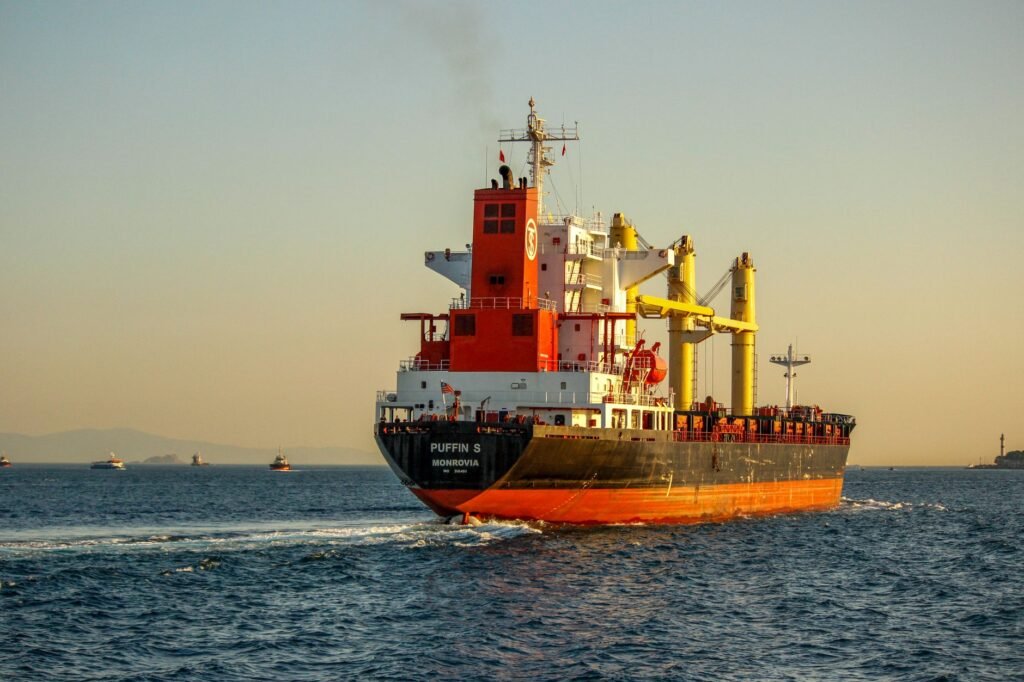
Iran is signaling a firm stance on its control over the Strait of Hormuz, viewing the strategic waterway as its primary leverage in negotiations with Washington. The Islamic Republic is pushing for a return to a June Memorandum of Understanding (MOU), a move aimed at securing the release of its frozen assets, the lifting of economic sanctions, and the cessation of what it describes as a naval blockade.
Information reaching Tahir Rihat suggests that the Iranian government is resolute in its position, emphasizing the critical role the Strait of Hormuz plays in its economic and geopolitical strategy. The waterway, a vital chokepoint for global oil shipments, provides Iran with significant influence in its dealings with the United States. Iranian officials have indicated that their willingness to engage in further discussions or concessions is directly tied to the US administration’s responsiveness to their demands regarding frozen funds and sanctions.
The June MOU, details of which remain largely undisclosed to the public, is understood to be the framework through which Iran hopes to achieve its objectives. Sources familiar with the ongoing discussions indicate that the agreement, if reinstated or expanded upon, could pave the way for a broader diplomatic engagement. However, the specifics of the MOU and the extent of Iran’s commitment to its terms are subjects of intense speculation and diplomatic maneuvering.
The United States has previously imposed extensive sanctions on Iran, targeting its oil exports, financial institutions, and access to international markets. These sanctions have had a profound impact on the Iranian economy, leading to currency depreciation and widespread economic hardship. Iran’s frozen assets, reportedly held in foreign banks, represent a significant sum that the government is eager to reclaim to bolster its domestic economy and fund its development projects.
Furthermore, Iran has consistently voiced concerns over what it perceives as a naval blockade imposed by the United States and its allies in the Persian Gulf region. While the US maintains that its naval presence is aimed at ensuring freedom of navigation and deterring regional aggression, Iran views these deployments as an infringement on its sovereignty and a direct threat to its security interests. The release of frozen assets and the lifting of sanctions are seen by Tehran as prerequisites for de-escalating tensions and fostering a more stable security environment in the region.
The Strait of Hormuz, a narrow passage connecting the Persian Gulf to the Gulf of Oman, is an indispensable route for a significant portion of the world’s oil supply. Approximately 20% of global oil consumption passes through this strait daily. Iran’s ability to control or disrupt maritime traffic in the Hormuz Strait gives it considerable bargaining power in international negotiations. This strategic advantage has been a cornerstone of Iran’s foreign policy for decades, particularly in its interactions with major global powers.
The current diplomatic impasse highlights the complex interplay of economic pressure, security concerns, and regional dynamics that characterize the relationship between Iran and the United States. The Iranian government’s insistence on using the Strait of Hormuz as leverage underscores its determination to achieve a favorable outcome in its ongoing negotiations. The international community is closely monitoring these developments, as any significant shift in the status quo could have far-reaching implications for global energy markets and regional stability.
The potential return to the June MOU signifies Iran’s desire for a structured and mutually agreed-upon path forward. However, the success of such an endeavor would depend on the willingness of both parties to compromise and address each other’s core concerns. The release of frozen assets alone could provide a substantial economic boost to Iran, potentially enabling it to invest in infrastructure, social programs, and technological advancements. Similarly, the lifting of sanctions would reintegrate Iran into the global financial system, facilitating trade and investment.
The Iranian government’s strategy appears to be one of patience and strategic pressure, utilizing its geographic and economic advantages to compel concessions from the United States. The focus on the Strait of Hormuz as a bargaining chip is a clear indication of Iran’s assessment of its most potent source of influence. The coming weeks and months will likely reveal whether this strategy yields the desired results or leads to further entrenchment of existing positions.
The international community, including major oil-importing nations, has a vested interest in the unimpeded flow of oil through the Strait of Hormuz. Any disruption or escalation of tensions in the region could lead to significant volatility in global energy prices. Therefore, diplomatic efforts to de-escalate the situation and find a mutually acceptable resolution are of paramount importance. The Iranian position, as articulated, suggests a clear demand for tangible economic relief in exchange for potential de-escalation or cooperation on issues of mutual concern.
The dynamics of the negotiations are further complicated by the broader geopolitical landscape, including regional rivalries and the influence of other global powers. Iran’s approach to leveraging the Strait of Hormuz is a calculated move designed to maximize its negotiating position in a complex and often unpredictable international arena. The outcome of these discussions will not only shape Iran’s economic future but also have a significant bearing on the stability of the Middle East.


Tahir Rihat (also known as Tahir Bilal) is an independent journalist, activist, and digital media professional from the Chenab Valley of Jammu and Kashmir, India. He is best known for his work as the Online Editor at The Chenab Times.