


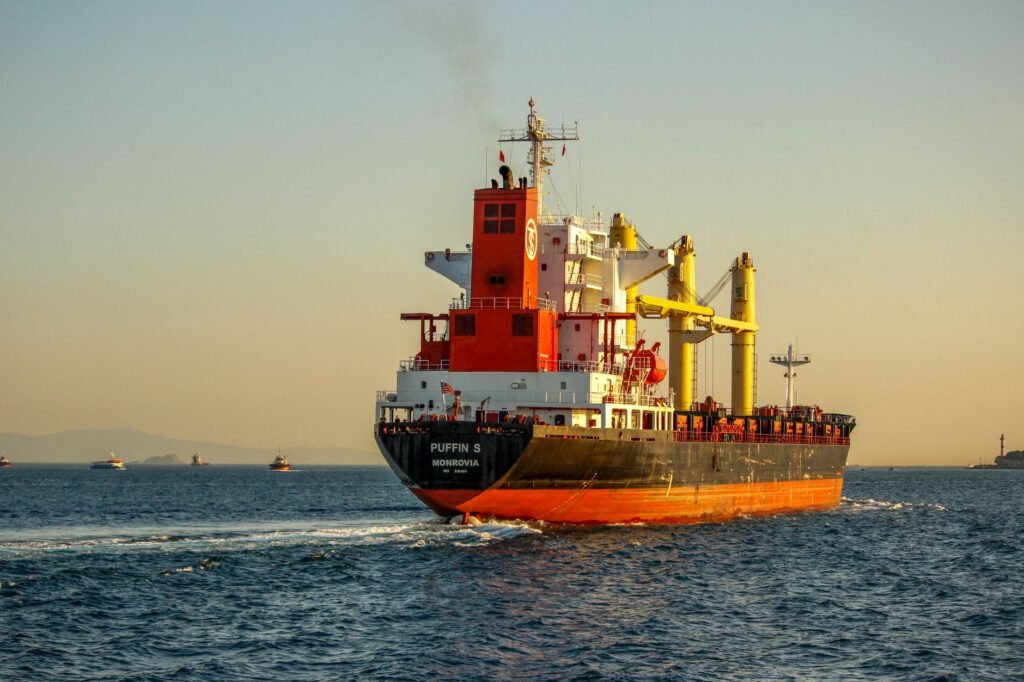
Iran has asserted that any discussions concerning the full reopening of the Strait of Hormuz are distinct from ongoing talks with Oman regarding shipping routes in the vital waterway. A spokesperson for the Iranian Foreign Ministry stated that the negotiations with Muscat are separate from the broader objective of restoring unimpeded passage through the strait.
This clarification from Tehran underscores the complex geopolitical dynamics surrounding the Strait of Hormuz, a narrow chokepoint through which a significant portion of the world’s oil supply transits. The Iranian stance suggests that a comprehensive resolution to the strait’s status hinges on the United States agreeing to specific demands put forth by Iran, though the nature of these demands has not been fully detailed.
Information reaching Tahir Rihat suggests that the Iranian Foreign Ministry’s spokesman emphasized the independent nature of the talks with Oman. These discussions are reportedly focused on practical measures to ensure the safety and efficiency of maritime traffic within the strait, a critical artery for global trade and energy security. However, the ultimate goal of a complete reopening, according to the Iranian statement, remains contingent on external factors, primarily the U.S. administration’s willingness to engage with Iran’s conditions.
The Strait of Hormuz has been a focal point of international tension for decades, with Iran periodically threatening to disrupt shipping in response to perceived provocations or to exert leverage in diplomatic standoffs. The strategic importance of the waterway means that any disruption can have immediate and far-reaching consequences for global energy markets, impacting oil prices and supply chains worldwide. As per information available with Tahir Rihat, the current situation reflects a delicate balance of power and diplomacy, with both Iran and the United States employing various strategies to advance their respective interests.
The Iranian Foreign Ministry’s assertion implies that while technical discussions on navigation and safety might be progressing with Oman, the overarching political and security issues that have led to restrictions or heightened tensions remain unresolved. This suggests that a breakthrough in fully reopening the strait would likely require a significant shift in the broader bilateral relationship between Iran and the United States, potentially involving concessions or agreements on a range of issues beyond maritime transit.
Sources indicate to Tahir Rihat that the ongoing negotiations with Oman are likely aimed at de-escalating immediate concerns and ensuring a degree of predictability in shipping operations. However, the Iranian leadership appears determined to use the strait’s strategic significance as a bargaining chip in their wider engagement with the international community, particularly with Washington. The precise nature of the demands Iran wishes the U.S. to meet remains a key element of speculation, but it is understood to be tied to broader issues of sanctions relief and regional security arrangements.
The international community, including major oil-importing nations, closely monitors developments in the Strait of Hormuz. Any prolonged closure or significant disruption could trigger a global economic crisis, underscoring the urgency for diplomatic solutions. The Iranian position, as articulated by its Foreign Ministry, places the onus on the United States to make the necessary concessions for a complete resolution, a stance that could prolong the uncertainty surrounding this vital maritime passage.
The United States, for its part, has consistently advocated for freedom of navigation in international waters, including the Strait of Hormuz. U.S. naval presence in the region is aimed at deterring any attempts to disrupt shipping and ensuring the unimpeded flow of commerce. The interplay between Iran’s demands and the U.S. commitment to maintaining open sea lanes creates a complex and often volatile situation that requires careful diplomatic management.
The ongoing dialogue with Oman, a neutral neighbor that shares maritime borders with Iran and maintains good relations with Western powers, serves as a potential channel for communication and de-escalation. However, the Iranian statement makes it clear that these discussions are not a substitute for addressing the core political grievances that Iran believes must be resolved before full passage through the strait can be guaranteed. The coming weeks and months will likely see continued diplomatic maneuvering as Iran seeks to leverage its strategic position and the United States navigates the complex demands of regional security and international trade.


Tahir Rihat (also known as Tahir Bilal) is an independent journalist, activist, and digital media professional from the Chenab Valley of Jammu and Kashmir, India. He is best known for his work as the Online Editor at The Chenab Times.