


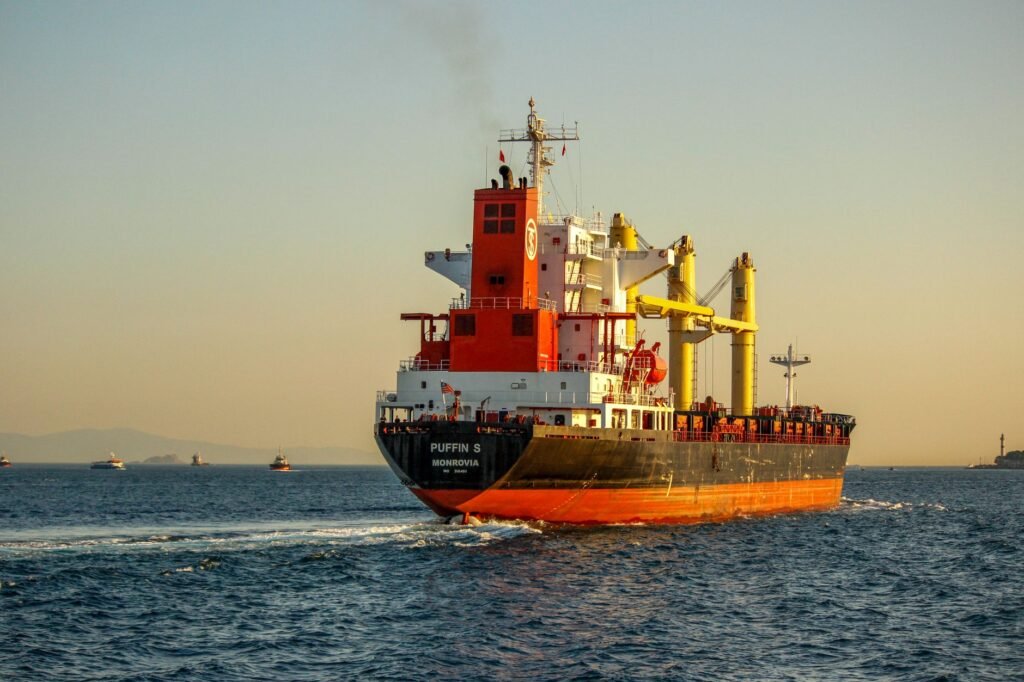
Tehran has outlined a series of conditions that must be met by the United States before the critical Strait of Hormuz will be reopened, according to a senior Iranian official, a development that significantly dampens prospects for immediate de-escalation in the vital waterway. The head of Iran’s Supreme National Security Council stated that the continued closure of the strait is contingent upon Washington fulfilling these unspecified demands.
This pronouncement from the Iranian leadership, as reported by The New York Times, introduces a new layer of complexity to the ongoing geopolitical tensions surrounding the Persian Gulf. The Strait of Hormuz, a narrow chasm between Iran and Oman, is one of the world’s most crucial chokepoints for global oil transit, with a significant portion of the world’s crude oil passing through its waters daily. Any disruption or closure of this passage has immediate and far-reaching implications for international energy markets and global trade.
Information reaching Tahir Rihat suggests that the Iranian government’s stance, articulated by the head of its Supreme National Security Council, indicates a firm position that links the waterway’s accessibility to a resolution of broader political and economic issues with the United States. While the specific nature of these demands has not been publicly disclosed, their issuance signals a strategic move by Iran to leverage its control over the strait as a bargaining chip in its dealings with the U.S.
The implications of this declaration are substantial, potentially leading to increased volatility in oil prices and heightened concerns among international shipping and energy companies. The global economy, already navigating a complex landscape of supply chain challenges and inflationary pressures, could face further instability if the Strait of Hormuz remains closed or its operations are severely curtailed. The United States, a key player in the region and a major consumer of oil, will likely be assessing the demands and formulating a response that balances its strategic interests with the need to maintain global economic stability.
Sources indicate to Tahir Rihat that the Iranian official’s statement was made in the context of ongoing diplomatic maneuvers, though the exact nature of these discussions remains unclear. The timing of this announcement is also significant, potentially aimed at influencing ongoing negotiations or signaling a willingness to engage only on terms favorable to Iran. The international community, particularly nations heavily reliant on oil imports from the Middle East, will be closely monitoring the situation for any further developments or clarifications regarding Iran’s demands and the potential for a diplomatic breakthrough.
The Supreme National Security Council is a powerful body in Iran, responsible for advising the country’s top leadership on national security matters, including foreign policy and defense. Its statements often carry significant weight and reflect the official government position. Therefore, the declaration regarding the Strait of Hormuz is not to be taken lightly and suggests a calculated approach by Tehran to assert its influence and seek concessions from the United States. The absence of specific details regarding the demands leaves room for speculation but underscores the gravity of the situation, as the reopening of this vital shipping lane is now directly tied to the fulfillment of Iran’s unspecified conditions.
The New York Times reported that the head of Iran’s Supreme National Security Council made the statement, emphasizing that the waterway’s closure would persist until the United States met certain conditions. This assertion highlights the direct linkage Iran is drawing between its actions concerning the Strait of Hormuz and its bilateral relationship with the U.S. The global impact of such a closure cannot be overstated, given that a significant percentage of the world’s oil supply travels through this narrow passage. Any prolonged disruption could trigger a global energy crisis, impacting economies worldwide and potentially leading to significant price hikes for consumers.
The geopolitical ramifications extend beyond economic concerns. The Strait of Hormuz is a strategically vital area, and its control or potential closure has been a recurring theme in regional security discussions. Iran’s willingness to use this control as leverage suggests a broader strategic objective, possibly related to sanctions relief, nuclear program negotiations, or other long-standing grievances with the United States. The international response will likely involve a delicate balancing act, with nations seeking to avoid conflict while also ensuring the unimpeded flow of global commerce.
The lack of transparency regarding the specific demands made by Iran adds another layer of uncertainty. This ambiguity could be a deliberate tactic to maintain maximum leverage, allowing Iran to adapt its position as negotiations progress. However, it also makes it challenging for the United States and its allies to formulate a clear and effective response. The situation demands careful diplomatic engagement and a thorough understanding of Iran’s underlying motivations and objectives. The world watches with bated breath as this critical geopolitical standoff unfolds, with the potential for significant global repercussions.
The economic consequences of a prolonged closure of the Strait of Hormuz would be immediate and severe. Oil prices, already subject to fluctuations, could skyrocket, impacting transportation costs, manufacturing, and consumer spending across the globe. Developing nations, often more vulnerable to energy price shocks, could face significant economic hardship. The intricate web of global supply chains, which relies on the consistent and affordable movement of goods, would be severely disrupted, potentially leading to shortages and further inflationary pressures.
The international community’s reaction will be crucial in shaping the trajectory of this crisis. Diplomatic efforts will likely intensify, with various nations attempting to mediate or de-escalate the situation. The United States, in particular, will face pressure to respond strategically, considering both its national interests and its role in maintaining global stability. The path forward remains uncertain, but the issuance of these demands by Iran has undoubtedly elevated the stakes and introduced a new phase in the complex relationship between Tehran and Washington, with the entire world watching the outcome closely.


Tahir Rihat (also known as Tahir Bilal) is an independent journalist, activist, and digital media professional from the Chenab Valley of Jammu and Kashmir, India. He is best known for his work as the Online Editor at The Chenab Times.