


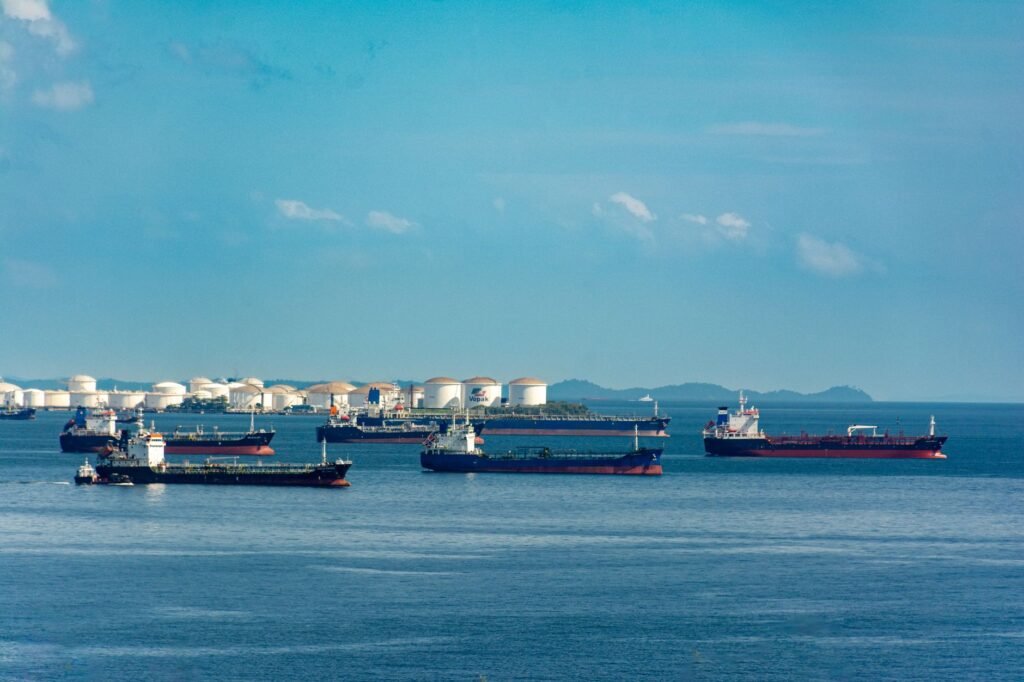
Tehran has pledged to defy the economic sanctions imposed by the United States, signaling a potential escalation of the ongoing dispute between the two nations. Analysts suggest that Iran may resort to military actions to counter the pressure on its economy.
An Iranian official, speaking on condition of anonymity, declared that the country would not permit any oil shipments to leave the Persian Gulf, a critical waterway for global energy supplies. This statement underscores the high stakes involved in the current standoff and highlights Iran’s willingness to leverage its strategic position to exert influence.
The renewed sanctions, which target Iran’s oil and financial sectors, are part of a broader strategy by the Trump administration to curb Tehran’s nuclear program and its regional activities. The United States has been intensifying its efforts to isolate Iran economically, aiming to compel the government to renegotiate the terms of the 2015 nuclear deal, from which the U.S. withdrew last year.
Information reaching Tahir Rihat suggests that the Iranian leadership views these sanctions as an act of economic warfare and is determined to resist what it perceives as unjust pressure. The official’s assertion about oil shipments is a direct challenge to the U.S. blockade and a clear indication of Iran’s readiness to disrupt global oil markets if its interests are threatened.
The potential for military escalation has raised concerns among international observers and regional powers. The Strait of Hormuz, a narrow chokepoint through which a significant portion of the world’s oil passes, has been a focal point of tensions. Iran has previously threatened to close the strait in response to external threats, a move that would have severe repercussions for the global economy.
The Iranian government has been actively seeking ways to mitigate the impact of sanctions on its economy. Efforts include diversifying its oil export markets, promoting domestic production, and strengthening its financial resilience. However, the effectiveness of these measures remains to be seen, as the comprehensive nature of the U.S. sanctions poses a significant challenge.
In response to the U.S. withdrawal from the nuclear deal and the reimposition of sanctions, Iran has gradually increased its uranium enrichment activities, exceeding the limits set by the original agreement. This has further fueled tensions and raised alarms about the potential for Iran to pursue nuclear weapons, a claim that Tehran denies.
The international community is closely watching the developments, with many nations urging restraint from both sides. European powers, in particular, have expressed their commitment to preserving the nuclear deal and finding diplomatic solutions to de-escalate the crisis. However, their influence in mediating the dispute appears to be limited amidst the escalating rhetoric and actions.
The economic impact of the sanctions on Iran has been substantial, leading to a sharp depreciation of its currency, rising inflation, and increased unemployment. These challenges have created domestic pressure on the government, but also appear to have galvanized a sense of national resistance against foreign pressure.
The official’s statement regarding oil shipments is likely intended to signal to the U.S. and its allies the severe consequences of continued economic pressure. It serves as a warning that Iran is prepared to take drastic measures to protect its sovereignty and economic interests, even if it means disrupting global energy flows. The coming weeks are expected to be critical in determining the trajectory of this high-stakes confrontation.
The geopolitical implications of this standoff extend beyond the immediate economic and military concerns. A prolonged period of heightened tension in the Persian Gulf could destabilize the region further, impacting regional security dynamics and potentially drawing in other global powers. The international oil market’s sensitivity to any disruption in the Strait of Hormuz means that Iran’s threat carries significant weight.
The Iranian government’s strategy appears to be one of deterrence, aiming to make the cost of sanctions prohibitive for the United States and its allies. By highlighting the potential for widespread economic disruption, Tehran hopes to force a reassessment of the current policy and potentially open avenues for negotiation on terms more favorable to Iran. However, the effectiveness of such brinkmanship in international relations is often unpredictable.
The international community’s response will be crucial in shaping the outcome. While the U.S. has been resolute in its pursuit of maximum pressure, other global actors may seek to de-escalate the situation through diplomatic channels. The ability of these actors to exert influence on both Washington and Tehran will be a key factor in preventing a wider conflict.
The economic squeeze on Iran is designed to compel a change in behavior, but it also risks provoking a more aggressive response. The official’s vow regarding oil shipments is a clear indicator that Iran perceives its economic lifeline as a strategic weapon, capable of inflicting significant damage on global markets and thereby influencing international policy decisions.
The situation remains fluid, with both sides demonstrating a willingness to engage in assertive actions. The coming period will likely see continued diplomatic maneuvering, economic countermeasures, and potentially further military posturing in the strategically vital Persian Gulf region. The world is watching to see if a diplomatic resolution can be found before the situation deteriorates further.


Tahir Rihat (also known as Tahir Bilal) is an independent journalist, activist, and digital media professional from the Chenab Valley of Jammu and Kashmir, India. He is best known for his work as the Online Editor at The Chenab Times.