


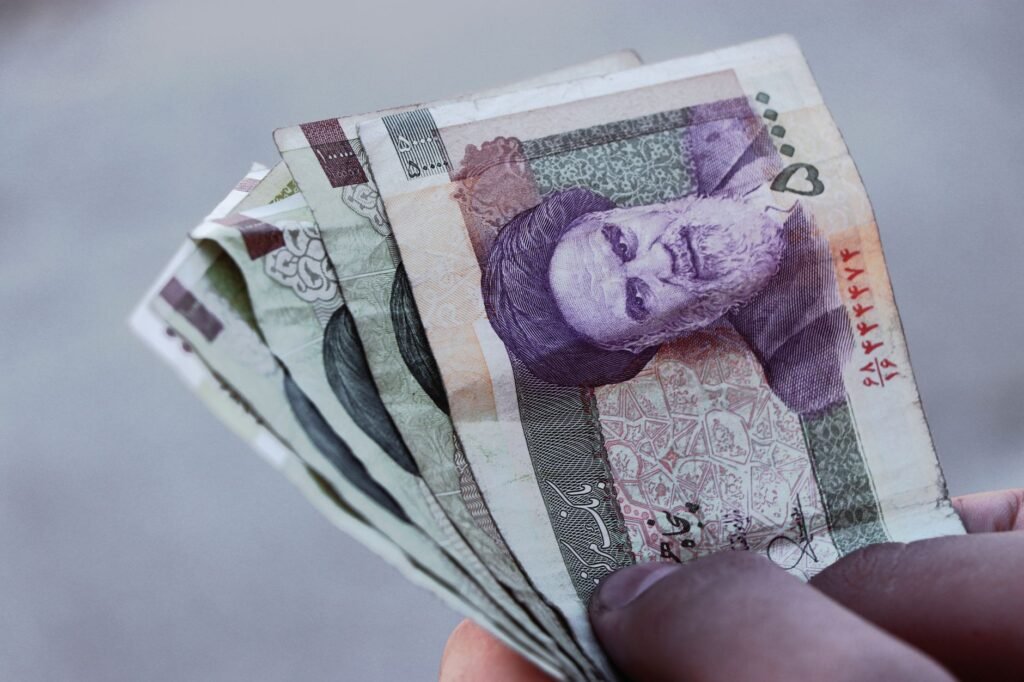
Six months into a new phase of heightened economic pressure from the United States, Iran‘s strategic approach appears to remain steadfast, with the shift from overt military confrontation to intensified financial warfare not expected to alter its fundamental policies. This sustained economic strain, however, is projected to further exacerbate the already challenging conditions faced by the Iranian populace.
The administration’s decision to pivot from direct military engagement to a more robust economic strategy was intended to exert significant leverage over Tehran. Yet, early assessments suggest that while the nature of the pressure has evolved, its impact on Iran’s core decision-making processes has been limited. Information reaching Tahir Rihat suggests that the Iranian leadership has largely absorbed the economic shockwaves, adapting its internal mechanisms to withstand the external onslaught. This resilience, analysts suggest, is a testament to years of navigating international sanctions and economic isolation, a period that has fostered a degree of self-sufficiency and a hardened resolve.
The United States’ objectives in this prolonged economic campaign appear to be multifaceted, aiming to curb Iran’s nuclear program, curtail its regional influence, and pressure its support for various militant groups. However, the effectiveness of these goals in the face of Iran’s entrenched strategies is a subject of ongoing debate. The New York Times reported that the replacement of a military war with a heightened economic one is not expected to alter Iran’s strategy, while further impoverishing its people. This assertion highlights a critical dilemma: the potential for economic sanctions to inflict widespread hardship on ordinary citizens without necessarily achieving the desired geopolitical outcomes.
The Iranian economy has been a primary target, with measures designed to restrict its access to international financial systems and cripple its oil exports. These actions have contributed to a significant devaluation of the Iranian rial and fueled inflation, impacting the cost of essential goods and services. The intended consequence is to create internal pressure on the government to change its behavior. However, the historical precedent of sanctions in other nations indicates that such measures can often consolidate power within the ruling elite, who may be better positioned to weather the economic storm than the general population.
Furthermore, the geopolitical landscape in which Iran operates is complex. Regional rivalries and alliances play a significant role in shaping Iran’s foreign policy and its responses to external pressures. The United States’ strategy must contend with these intricate regional dynamics, where a purely economic approach may not fully account for the motivations and actions of other key players. The lack of clear, measurable benchmarks for success in the current U.S. strategy raises questions about its long-term viability and potential unintended consequences.
The international community’s response to these developments has been varied. While some nations have aligned with the U.S. sanctions regime, others have maintained or sought to expand economic ties with Iran, creating a fractured international front. This division can dilute the effectiveness of sanctions and provide Iran with alternative avenues for trade and financial transactions. The ability of Iran to circumvent some sanctions through various means, including illicit trade networks and the use of alternative currencies, further complicates the U.S. strategy.
The human cost of this prolonged economic pressure is a significant concern. Reports from within Iran indicate a growing strain on households, with rising unemployment and a decline in purchasing power. As per information available with Tahir Rihat, the government faces the dual challenge of managing the economic fallout while maintaining social stability. The narrative within Iran often frames these economic hardships as a consequence of foreign aggression, which can be used to bolster nationalistic sentiment and rally support for the regime.
The effectiveness of economic warfare as a tool of foreign policy is a subject of continuous study. While it can inflict considerable pain, its ability to compel fundamental political change is not guaranteed. In the case of Iran, the regime has demonstrated a capacity for endurance and adaptation, suggesting that a purely economic approach may require a more nuanced understanding of the country’s internal dynamics and its regional context. The unclear objectives and the potential for prolonged suffering among the Iranian people underscore the complexities and potential pitfalls of the current U.S. strategy.
The long-term implications of this sustained economic pressure remain to be seen. Whether it will ultimately lead to a change in Iran’s behavior or further entrench its current policies is a question that will likely be answered over time. The international community, meanwhile, continues to observe the unfolding situation, with varying degrees of concern and engagement. The absence of a clear diplomatic off-ramp or a defined pathway to de-escalation further complicates the outlook, suggesting a prolonged period of economic tension and geopolitical uncertainty.
The United States’ stated goals, while ambitious, are being tested against the realities of Iran’s strategic resilience and the complexities of the Middle East. The efficacy of economic pressure as a primary tool of statecraft, particularly when faced with a determined adversary, is a central theme in this ongoing geopolitical narrative. The impact on the Iranian people, caught in the crossfire of international policy, remains a critical humanitarian dimension of this protracted standoff.


Tahir Rihat (also known as Tahir Bilal) is an independent journalist, activist, and digital media professional from the Chenab Valley of Jammu and Kashmir, India. He is best known for his work as the Online Editor at The Chenab Times.