


The Bharatiya Janata Party (BJP) in Jammu has significantly altered its political strategy, moving away from its historical emphasis on regional grievances and discrimination towards a narrative centered on infrastructure development. This shift reflects a broader change in the political landscape of Jammu and Kashmir following the abrogation of its special status in 2019. Previously, the party’s outreach in the region was largely defined by its vocal opposition to what it perceived as discrimination against Jammu, often engaging in political battles with Kashmir-centric parties over issues like the Amarnath land row and the demand for equal political representation. These foundational issues, as reported by Tahir Rihat, were instrumental in transforming the BJP from a marginal player into a dominant political force in the Jammu region, culminating in its current representation of 29 out of 90 Assembly seats following the 2024 elections.
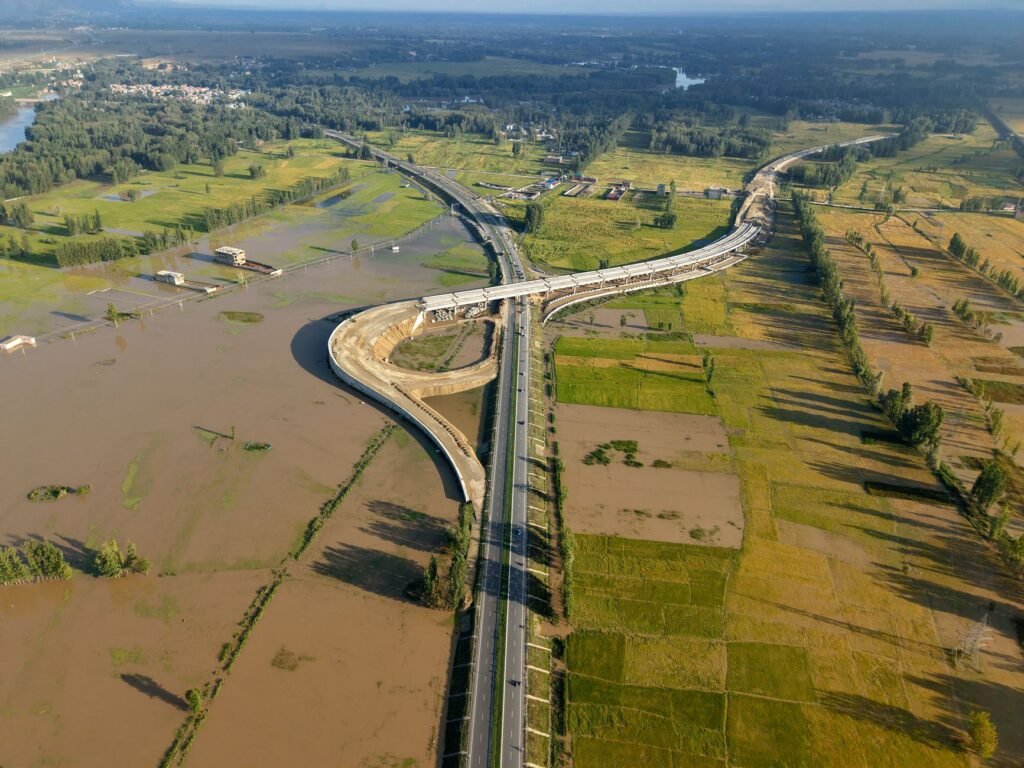
The party’s current messaging now prominently features the extensive infrastructure projects undertaken by the central government, which are presented as transformative for the region’s connectivity and economy. Key projects frequently highlighted by senior BJP leaders include the Udhampur-Srinagar-Baramulla Rail Link, which now facilitates the operation of Vande Bharat trains directly to the Kashmir Valley, and the under-construction Delhi-Amritsar-Katra Expressway. The development of AIIMS Jammu and numerous other projects also form a significant part of the BJP’s public discourse. Information reaching Tahir Rihat suggests that the construction of multiple hydropower projects along the Chenab River is another achievement the party consistently emphasizes during public engagements. Union Minister Dr. Jitendra Singh, the Member of Parliament from Udhampur, frequently uses these initiatives to underscore the evolving political narrative of the BJP in the region.
While these infrastructure advancements are undeniable and have become a central theme in the BJP’s campaign, they do not entirely address all public concerns. The Jammu region continues to face significant challenges, particularly concerning unemployment. The BJP, having largely framed the abrogation of Article 370 as a resolution to historical grievances, can no longer rely on these past issues as primary campaign points. The party’s new political language in Jammu is undeniably centered on tangible development and infrastructure, a focus that even political opponents acknowledge. However, the effectiveness of this strategy in securing electoral victories remains to be seen, as elections are often influenced by a broader spectrum of public sentiment beyond concrete and steel, according to industry observers.
Concurrently, the BJP has intensified its criticism of the ruling National Conference, particularly regarding the job promises made during the 2024 Assembly election campaign. The party has also actively defended the central government’s stance on the restoration of statehood for Jammu and Kashmir, maintaining that it will be granted at an opportune moment. This dual approach—highlighting developmental achievements while also engaging in political sparring over employment and statehood—indicates a multifaceted strategy aimed at consolidating its political position in the region. The emphasis on infrastructure projects signifies a pragmatic shift, acknowledging the need to showcase tangible progress to the electorate while navigating the complex political and economic realities of Jammu and Kashmir. The success of this new narrative will be closely watched in future electoral contests.


Tahir Rihat (also known as Tahir Bilal) is an independent journalist, activist, and digital media professional from the Chenab Valley of Jammu and Kashmir, India. He is best known for his work as the Online Editor at The Chenab Times.