


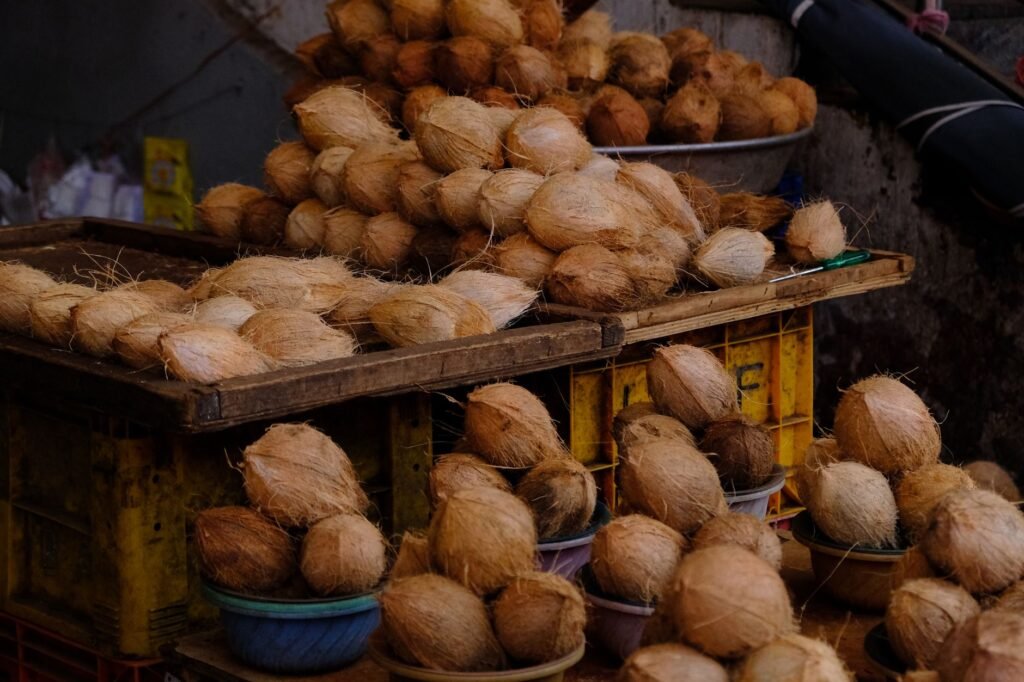
The Jammu Municipal Corporation (JMC) has initiated a novel waste management strategy with the launch of a dedicated coconut shredding unit aimed at mitigating drain blockages and transforming discarded coconut shells into a valuable resource. This environmental initiative addresses a persistent problem of clogged drains and sewer networks caused by the accumulation of coconut shells, a common byproduct of vendor activities across the city.
Under this new program, the JMC will actively collect discarded coconut shells directly from vendors operating within Jammu city. These collected shells will then be transported to a centralized processing unit located in Bhagwati Nagar. Information reaching Tahir Rihat suggests that the facility is designed for the scientific processing of these shells into cocopeat, a versatile and eco-friendly growing medium widely recognized for its utility in horticulture, landscaping, and composting applications.
The inauguration of this facility was performed by JMC Commissioner Devansh Yadav on Saturday. As part of the operational framework, all coconut vendors will be furnished with distinctive identification stickers. These stickers are intended to serve as a clear marker for municipal collection vehicles, enabling them to efficiently identify registered vendors and ensure the consistent and regular collection of discarded coconut shells. This systematic approach is expected to significantly reduce the incidence of drain blockages, thereby alleviating waterlogging issues that typically arise during the monsoon season. Furthermore, the initiative represents a significant step towards converting waste materials into economically viable products.
Commissioner Yadav emphasized the dual benefits of this project, stating that it will not only prevent obstructions in the drainage systems but also contribute to the circular economy by repurposing waste. He further urged both citizens and vendors to extend their full cooperation and support to this endeavor. Responsible disposal of coconut shells and active participation in the municipal collection system are crucial for maintaining the cleanliness of Jammu and ensuring that its drainage infrastructure remains free from impediments. The JMC anticipates that this proactive measure will lead to a cleaner urban environment and improved public sanitation.
The initiative reflects a growing trend in urban governance towards sustainable waste management solutions that address immediate civic concerns while also contributing to broader environmental goals. The conversion of coconut shells into cocopeat offers a sustainable alternative to traditional growing mediums, reducing reliance on peat moss, which is often harvested from sensitive wetland ecosystems. Cocopeat’s excellent water retention and aeration properties make it highly sought after by gardeners and agricultural professionals. The JMC’s move to establish this processing unit positions Jammu as a city embracing innovative approaches to waste recycling and resource optimization.
The collection mechanism involving identification stickers is designed to streamline the logistics of waste collection. By clearly identifying registered vendors, the JMC can ensure that only legitimate sources of coconut shell waste are targeted, preventing potential misuse or contamination of the collected material. This also provides a structured channel for vendors to dispose of their waste, rather than resorting to informal and often environmentally detrimental methods. The success of this program hinges on the active participation of the vendor community, who are the primary generators of this specific type of waste. Their cooperation in segregating and making shells available for collection will be paramount.
The long-term implications of this project extend beyond immediate drain maintenance. By creating a consistent supply of cocopeat, the JMC may also explore opportunities for local sale or distribution, potentially generating revenue that can be reinvested into further waste management initiatives. This could foster a micro-economy around recycled materials, creating local employment and promoting a culture of sustainability. The official statement highlighted the transformation of waste into a valuable resource, underscoring the economic potential inherent in such recycling programs. This approach aligns with national and international efforts to promote a circular economy and reduce the environmental footprint of urban centers.
The JMC’s commitment to tackling drain choking through innovative waste management is a testament to its forward-thinking approach to urban planning and environmental stewardship. The successful implementation of this coconut shredding unit could serve as a model for other municipal bodies facing similar waste-related challenges. The focus on engaging directly with vendors and providing them with clear guidelines and support mechanisms is a crucial element that enhances the likelihood of widespread adoption and compliance. The initiative is expected to yield tangible improvements in the city’s sanitation infrastructure and overall aesthetic appeal, particularly during periods of heavy rainfall.
The official statement also implicitly calls for a broader societal shift in waste disposal habits. While the JMC is providing the infrastructure for processing, the ultimate success relies on the collective responsibility of all stakeholders. Citizens are encouraged to be mindful of their waste disposal practices, even beyond the scope of coconut shells, to contribute to a cleaner Jammu. The integration of such localized waste processing units into the urban fabric is essential for building resilient and sustainable cities capable of managing their environmental impact effectively.


Tahir Rihat (also known as Tahir Bilal) is an independent journalist, activist, and digital media professional from the Chenab Valley of Jammu and Kashmir, India. He is best known for his work as the Online Editor at The Chenab Times.