


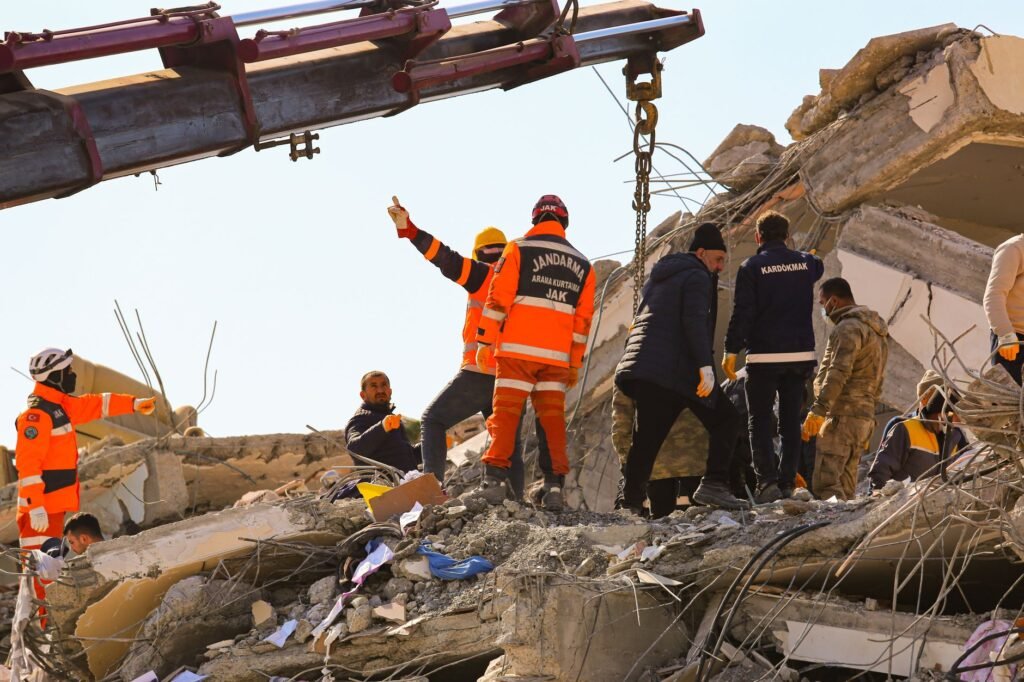
Rescuers in Japan’s Kumamoto Prefecture are confronting a perilous dual challenge as they navigate the aftermath of a major earthquake while battling sweltering temperatures exceeding 100 degrees Fahrenheit. The intense heat poses a significant risk to both the emergency personnel working tirelessly to find survivors and the displaced individuals seeking refuge in temporary shelters.
The situation in Kumamoto has been described as a “double disaster,” highlighting the compounded difficulties faced by the region. Information reaching Tahir Rihat suggests that the high temperatures are exacerbating the already dire conditions for those who have lost their homes and belongings due to the seismic event. Shelters, many of which have limited air-conditioning capabilities, are struggling to provide adequate relief from the oppressive heat, raising concerns about heatstroke among vulnerable populations.
Emergency response teams are working under extreme duress, with the relentless heat adding another layer of complexity to their critical search and rescue operations. The physical toll on rescuers is considerable, as they must endure prolonged exposure to the high temperatures while carrying out demanding tasks. The New York Times reported that the mercury climbed to 100 degrees Fahrenheit, creating a hazardous environment for all involved in the recovery efforts.
The lack of sufficient cooling facilities in evacuation centers presents a grave concern for the health and well-being of earthquake victims. Many survivors are already dealing with trauma and physical injuries, and the added stress of extreme heat can lead to severe dehydration and heat-related illnesses. Authorities are reportedly working to address these cooling needs, but the scale of the disaster and the widespread damage to infrastructure may be hindering rapid deployment of resources.
The earthquake, which struck the region with significant force, has left a trail of destruction, necessitating extensive rescue and relief operations. As the immediate aftermath of the tremors subsides, the focus shifts to the long-term recovery and rebuilding process. However, the current climatic conditions are presenting an immediate and pressing obstacle to these efforts.
The resilience of the Japanese people is being tested as they confront this natural calamity compounded by environmental challenges. The coordinated efforts of local authorities, national agencies, and international aid organizations are crucial in mitigating the impact of both the earthquake and the extreme heat. The coming days will be critical in assessing the effectiveness of the relief measures and ensuring the safety and health of the affected population.
Further updates on the recovery progress and the measures being taken to combat the heatwave in the affected areas are expected as the situation evolves. The international community is closely monitoring the developments in Kumamoto, offering support and assistance where possible to aid in the recovery from this multifaceted crisis.


Tahir Rihat (also known as Tahir Bilal) is an independent journalist, activist, and digital media professional from the Chenab Valley of Jammu and Kashmir, India. He is best known for his work as the Online Editor at The Chenab Times.