


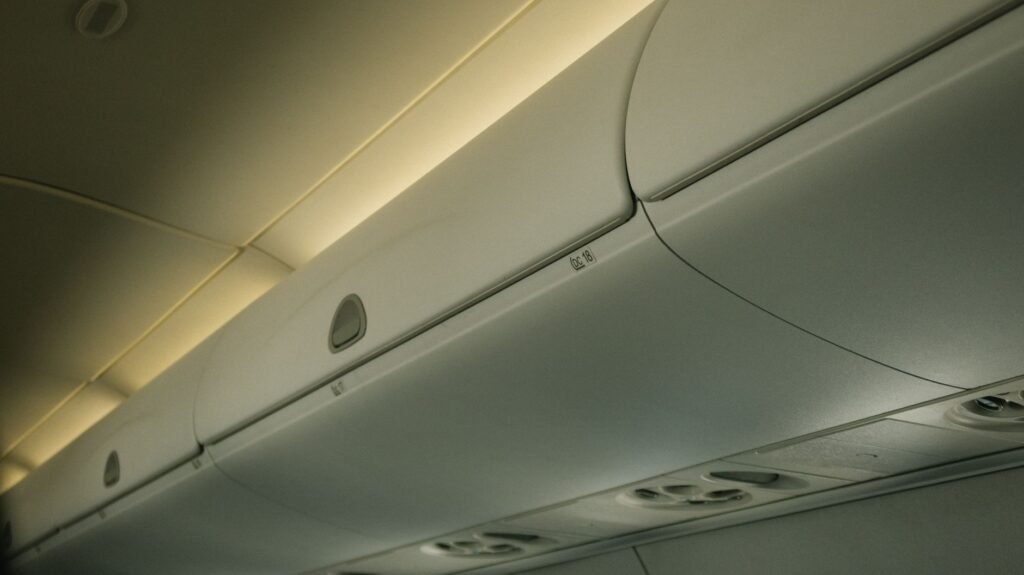
Budget airline Jetstar is set to become the first carrier in Australia to introduce charges for passengers who wish to store their carry-on luggage in the overhead compartments. This new policy, which is expected to take effect soon, signifies a further shift in airline pricing strategies, particularly among low-cost carriers aiming to maximize revenue from ancillary services.
The move by Jetstar, a subsidiary of Qantas, means that passengers will need to ensure their carry-on items fit beneath the seat in front of them to avoid additional fees. Items that exceed this size restriction and require placement in the overhead bins will incur a charge. The exact cost of this new fee has not yet been disclosed by the airline, but it is anticipated to align with the airline’s existing baggage fee structure.
Information reaching Tahir Rihat suggests that this policy change is a strategic effort by Jetstar to optimize cabin space and potentially increase the number of passengers who can be accommodated on flights by encouraging smaller, more compact carry-on baggage. Airlines globally have increasingly relied on charging for services that were once considered standard, a trend that has been amplified in the budget airline sector.
The implications of this decision are significant for travelers, particularly those accustomed to the convenience of using overhead bins for their luggage without extra cost. Passengers will now face a more stringent assessment of their carry-on baggage before boarding, with the potential for unexpected expenses at the airport or during the booking process. This could lead to a greater emphasis on packing efficiency and a potential increase in checked baggage, which may also carry its own set of fees.
Industry analysts suggest that Jetstar’s initiative could pave the way for other budget airlines in the region, and potentially globally, to adopt similar policies. The success of such a model often depends on passenger acceptance and the airline’s ability to effectively communicate the new rules and associated costs. The airline industry has seen a consistent trend towards unbundling services, allowing passengers to pay only for the amenities they choose to use, which can lead to lower base fares but higher overall costs for those who opt for additional services.
The specific details regarding the dimensions of luggage that will be permitted under the seat and the exact fee structure for overhead bin usage are expected to be released by Jetstar in the coming weeks. Travelers are advised to monitor the airline’s official website and communications for the most up-to-date information to avoid any surprises. This development underscores the evolving landscape of air travel, where ancillary revenues play an increasingly crucial role in the financial models of many airlines.
The rationale behind such a policy is often rooted in operational efficiency and revenue generation. By charging for overhead bin space, airlines can potentially encourage passengers to bring smaller bags, which can speed up boarding times and reduce the overall weight of the aircraft, leading to fuel savings. Furthermore, the fees collected can contribute to the airline’s bottom line, especially in a competitive market where profit margins can be slim. This approach mirrors strategies seen in other sectors where premium services or enhanced convenience come with an additional price tag.
For consumers, this means a more deliberate approach to packing for flights. The distinction between items that must fit under the seat and those that can go into the overhead bin will become critical. Passengers may need to re-evaluate their travel habits and consider whether the savings on a budget airline ticket are offset by potential charges for baggage. The airline industry’s continuous innovation in revenue streams means that travelers must remain vigilant and informed about the terms and conditions of their bookings.
The introduction of fees for overhead bin usage is a notable departure from standard airline practices in many markets, though some international carriers have experimented with similar concepts. Jetstar’s move is significant because it marks a prominent budget carrier in Australia adopting such a policy, potentially setting a precedent for others in the Australian aviation market. The airline’s communication strategy will be key to managing passenger expectations and mitigating potential backlash. Clear signage at airports, prominent information on booking platforms, and direct communication with passengers prior to their flight will be essential for a smooth implementation of this new policy.
The long-term impact of this policy on passenger behavior and airline competition remains to be seen. It could lead to a bifurcation of travelers, with some meticulously adhering to under-seat storage rules to save money, while others might opt for airlines with more traditional carry-on policies or simply pay the fees. The airline industry is in a constant state of flux, driven by economic pressures, technological advancements, and evolving consumer demands. Jetstar’s decision is another chapter in this ongoing narrative of change.
The airline industry’s focus on ancillary revenue has been a defining characteristic of the past two decades. From seat selection fees to onboard food and beverage charges, airlines have found numerous ways to supplement their core ticket sales. The overhead bin fee is a logical extension of this strategy, targeting a resource that is often in high demand and limited supply. As airlines continue to seek innovative ways to enhance profitability, passengers can expect further changes in the way they experience air travel, with a greater emphasis on personalized services and a pay-as-you-go model for many aspects of the journey.
The potential for increased checked baggage could also have downstream effects, such as longer wait times at baggage claim areas. Airlines and airports will need to manage these operational adjustments effectively to maintain a satisfactory passenger experience. The competitive landscape of the Australian airline market, which includes Qantas, Virgin Australia, and other smaller carriers, will likely see a response from competitors, either by adopting similar policies or by differentiating themselves with more inclusive carry-on baggage allowances.
Ultimately, the success of Jetstar’s overhead bin fee policy will be measured by its financial performance and its impact on customer satisfaction. As the airline rolls out this new initiative, the travel industry will be watching closely to see how passengers adapt and whether this trend gains wider adoption. The airline’s commitment to transparency and clear communication will be paramount in navigating this new phase of air travel pricing.


Tahir Rihat (also known as Tahir Bilal) is an independent journalist, activist, and digital media professional from the Chenab Valley of Jammu and Kashmir, India. He is best known for his work as the Online Editor at The Chenab Times.