


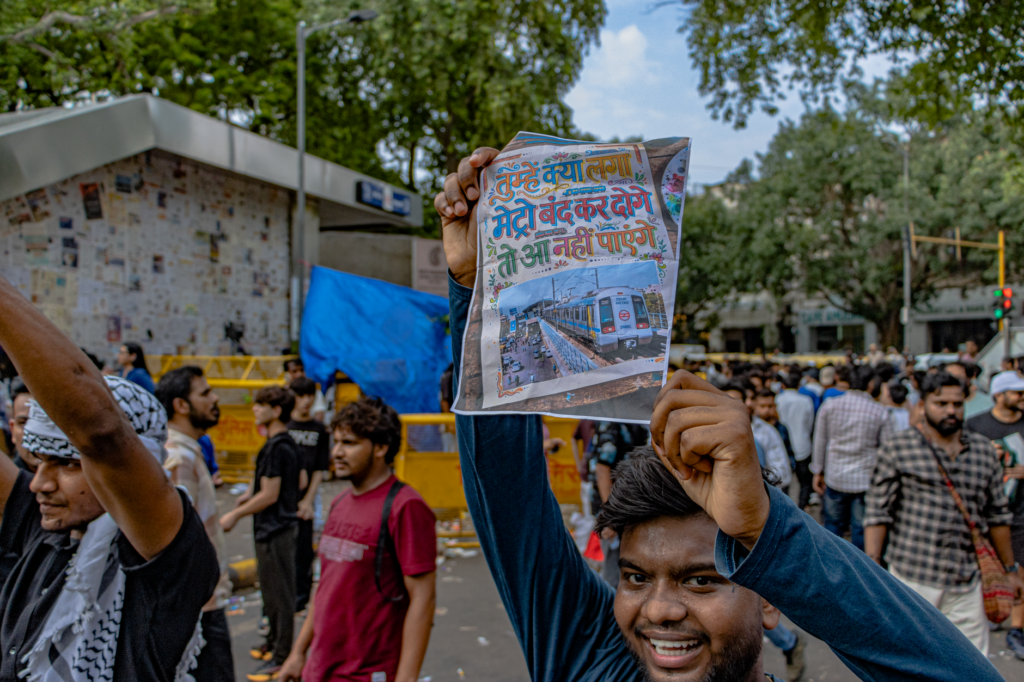
Thousands of young people took to the streets in the eastern Indian state of Jharkhand on Monday, protesting alleged irregularities in qualifying examinations for government jobs. The demonstrators are demanding a complete overhaul of the examination system, citing widespread concerns about fairness and transparency.
The protests, which have been ongoing for several days, escalated as police deployed tear gas to disperse crowds gathered in the state capital. Eyewitness accounts and social media footage depicted scenes of chaos as protesters, many of whom are graduates seeking employment in public service, clashed with law enforcement officials. The demonstrators claim that the examination process has been compromised, leading to unfair outcomes for deserving candidates.
Information reaching Tahir Rihat suggests that the core of the protesters’ grievances lies in allegations of leaked question papers and manipulated answer sheets. These accusations have fueled widespread distrust in the integrity of the recruitment process for state government positions. The youth argue that their future is being jeopardized by a system that appears to favor corruption and cronyism over meritocracy. The sheer number of participants underscores the depth of frustration among the educated unemployed in the region.
The government of Jharkhand has yet to issue a comprehensive statement addressing the specific allegations of irregularities. However, sources indicate that authorities are monitoring the situation closely and are reportedly considering measures to address the protesters’ concerns. The scale of the demonstrations has put significant pressure on the state administration to act decisively and transparently. The protesters’ demand for an independent inquiry into the examination process is a key point of contention.
The demonstrations highlight a recurring issue in India, where large numbers of young people compete for a limited number of government jobs, often seen as a pathway to stable employment and social mobility. The perceived unfairness in these recruitment processes can lead to significant social unrest. The Jharkhand situation is a stark reminder of the challenges faced by millions of young Indians aspiring to secure public sector employment, and the potential for widespread discontent when the system is perceived to be flawed.
The protesters have vowed to continue their demonstrations until their demands are met. They are calling for a thorough investigation into the examination procedures, the cancellation of any potentially compromised exams, and the implementation of stricter measures to ensure future fairness. The situation remains tense, with authorities attempting to balance the need to maintain public order with the imperative to address the legitimate grievances of the protesting youth. The economic implications of widespread youth unemployment and the resulting social instability are significant concerns for the region.
The government’s response will be crucial in determining the future course of these protests. A failure to address the core issues of transparency and fairness could lead to further escalation and broader unrest across the state. The youth of Jharkhand are looking for concrete assurances that the system will be reformed to provide equal opportunities for all eligible candidates. The integrity of public service recruitment is a cornerstone of good governance, and any erosion of public trust in this area can have far-reaching consequences.
The protests have also drawn attention to the broader issue of unemployment in India, particularly among educated youth. While the government has initiatives aimed at job creation, the demand for secure government positions remains exceptionally high. The perceived inequities in the selection process for these coveted jobs exacerbate the frustration of those who feel left behind. The events in Jharkhand are likely to resonate with similar groups in other states facing comparable challenges.
Further developments are anticipated as the state administration grapples with the escalating protests and the demands for systemic reform. The outcome of this situation could set a precedent for how such grievances are handled in the future, impacting the trust between the government and its young citizens. The focus remains on the protesters’ calls for accountability and the government’s ability to restore confidence in the examination and recruitment processes.


Tahir Rihat (also known as Tahir Bilal) is an independent journalist, activist, and digital media professional from the Chenab Valley of Jammu and Kashmir, India. He is best known for his work as the Online Editor at The Chenab Times.