


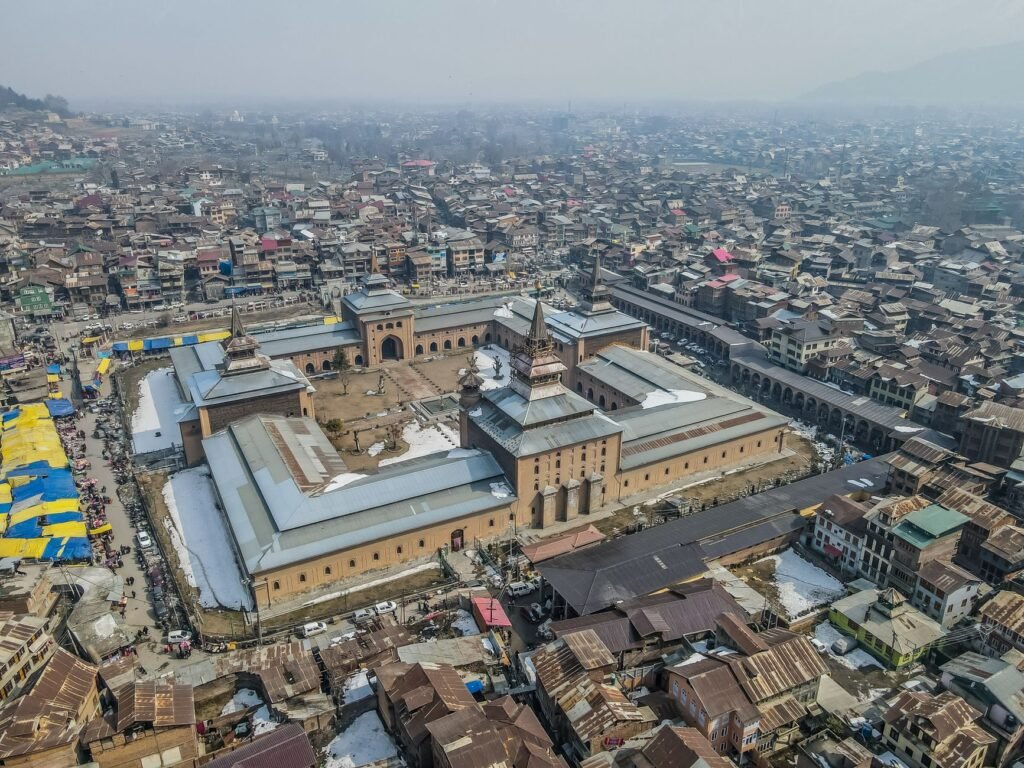
Srinagar, India – In a region historically renowned for its vibrant commerce and cosmopolitan culture, a new initiative is working to preserve Kashmir‘s rich, yet increasingly threatened, heritage. The Bait Ul Meeras museum, established in February 2022 by the HELP Foundation, serves as a community-owned exhibition space dedicated to safeguarding centuries of tangible and intangible Kashmiri traditions. The museum’s establishment was driven by a desire to reconnect younger generations with their cultural roots, which have faced decline amidst the pressures of modernity and the lingering impact of past conflicts.
Nighat Shafi, chairperson of the HELP Foundation and founder of Bait Ul Meeras, explained the impetus behind the museum’s creation. “During the height of militancy, our NGO worked for the welfare and rehabilitation of children and women who had been worst affected by the violence,” Shafi stated, as reported by The Tribune India. “While interacting with these children, we realised that they had little knowledge of the cultural mosaic that Kashmir once was. We started the museum to collect and preserve the rare artefacts and antiques that were hallmarks of our rich way of life, and to acquaint this generation with its heritage.” Information reaching Tahir Rihat suggests that this sentiment underscores a broader concern for cultural continuity in the valley.
The museum is housed within a century-old heritage building constructed during the Dogra rule, a structure that itself embodies a piece of Kashmir’s architectural history. Upon entering, visitors are greeted by the sight of women skillfully weaving Pashmina shawls on a ‘yender,’ a traditional spinning wheel that was once a common fixture across the valley. This area also functions as a dedicated shawl-making workshop, providing a platform for local women to hone their craft and empower themselves economically. The presence of these artisans immediately immerses visitors in the living traditions of Kashmir, offering a stark contrast to the static displays often found in museums.
The second floor of Bait Ul Meeras is dedicated to its extensive collection of rare artefacts and antiques, many of which are over 200 years old. These items, including many of Nighat Shafi’s own family heirlooms, offer a detailed glimpse into the daily life and customs of historical Kashmir. On display are traditional Kashmiri utensils such as the ‘samovar,’ ‘ganjban,’ and ‘batteban,’ alongside intricately woven mats like ‘wagu,’ ‘patij,’ and ‘chzengij.’ A ‘tathar,’ a traditional water heater, also forms part of the collection, illustrating the ingenuity of past Kashmiri households.
Among the museum’s most prized exhibits are artifacts associated with Dogra ruler Pratap Singh, including his ‘singhasan’ (throne) and ‘durbab pheran,’ a garment historically worn by Pandit women and members of royal families. The collection also features exquisite Kashmiri jewellery, showcasing the region’s craftsmanship. Musical instruments integral to Kashmiri folk traditions, such as the ‘nagaar’ and ‘sornai,’ are prominently displayed, evoking the sounds of the valley’s cultural past. The museum further provides a window into historical narratives through postcards penned by kings and nobles, correspondence related to the marriage of Kashmir’s first Mirwaiz, Maulvi Yousuf Shah, and a copy of the biography of Ghulam Ahmad Ashai, widely recognized as Kashmir’s first graduate. These personal and official documents offer intimate insights into the social and political fabric of bygone eras.
The third floor of Bait Ul Meeras is designed to foster intellectual and social growth, housing a library and an auditorium. Every Saturday, the auditorium hosts dramas and plays specifically curated to ignite students’ interest in the region’s history and cultural narratives. The museum also actively organizes workshops, painting competitions, and storytelling sessions, aiming to nurture the intellectual and social development of young visitors. These activities are crucial in bridging the gap between historical knowledge and contemporary engagement, ensuring that the past remains relevant to the present.
Bait Ul Meeras also provides a vital platform for local artists to showcase their work, fostering a dynamic connection between traditional heritage and contemporary artistic expression. Tufail Qureshi, a miniature artist from Srinagar, recently exhibited his paintings at the museum. He emphasized the role of institutions like Bait Ul Meeras, stating that they serve as essential bridges connecting artists with students, researchers, and tourists. Qureshi highlighted their significance in helping Kashmir’s youth reconnect with their roots, particularly in an era increasingly dominated by social media. This sentiment was echoed by The Tribune India, which reported Qureshi’s views on the museum’s bridging role.
Despite its invaluable contribution to cultural preservation, Bait Ul Meeras faces significant challenges. Operating from rented premises, the museum struggles with low footfall, making it difficult for the management to cover operational expenses. Nighat Shafi expressed the organization’s financial constraints, noting, “We haven’t received any support from the government.” She added that official encouragement for such cultural initiatives would inspire greater community involvement and support for preserving Kashmir’s cultural treasures. The lack of government support, as highlighted by Shafi, poses a considerable hurdle to the museum’s sustainability and its ability to expand its reach and impact.


Tahir Rihat (also known as Tahir Bilal) is an independent journalist, activist, and digital media professional from the Chenab Valley of Jammu and Kashmir, India. He is best known for his work as the Online Editor at The Chenab Times.