


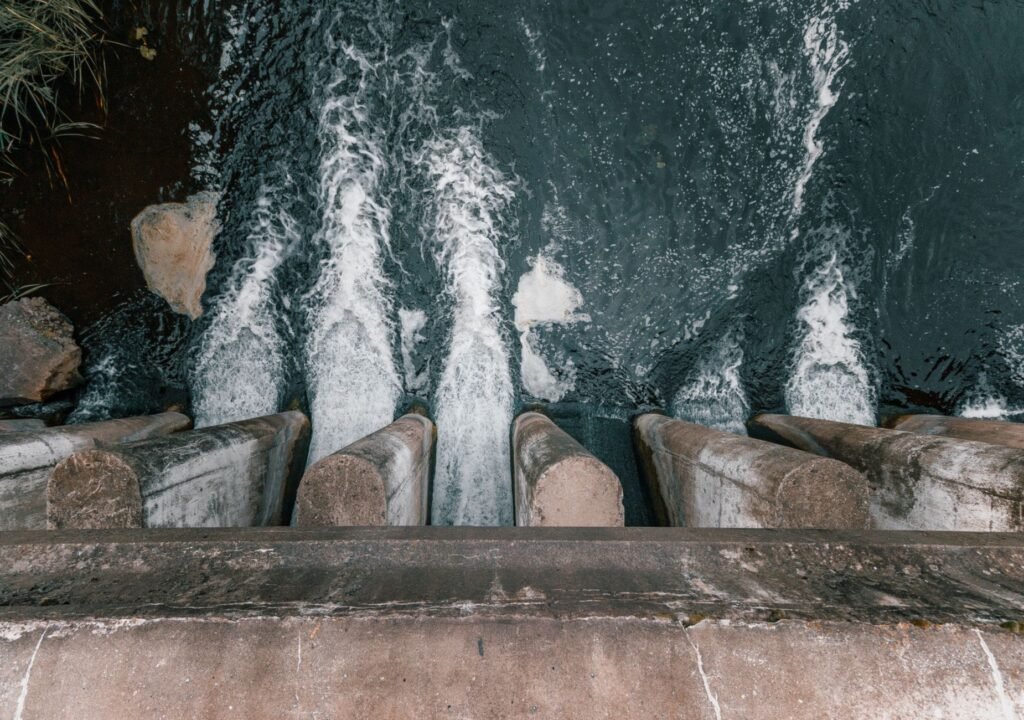
The Ladakh administration has put forth a significant proposal to the Union Ministry of Jal Shakti, advocating for the construction of 36 check dams across the Union Territory. This initiative aims to bolster water security and expand the region’s irrigation potential, addressing a critical need in an area that faces water scarcity despite abundant glacial resources. The proposal, which has been submitted following directives from Lieutenant Governor Vinai Kumar Saxena, details plans for seven Himalayan Rock Check Dams in the Leh district and 29 Reinforced Cement Concrete (RCC) check dams in the Kargil district. The estimated cost for these projects is projected to exceed Rs 56 crore. The administration is seeking the inclusion of these projects under the Pradhan Mantri Krishi Sinchayee Yojana (PMKSY) and has requested early consideration and approval from the ministry.
Information reaching Tahir Rihat suggests that the primary objective of these proposed check dams is to impound untapped water from the Indus River in Leh and the Suru River in Kargil. By doing so, the administration intends to strengthen existing irrigation infrastructure, enhance irrigation capabilities, and bring additional cultivable land under a more reliable irrigation system. According to the Detailed Project Report submitted to the Jal Shakti Ministry, these 36 check dams are expected to provide irrigation to over 18,600 acres of land. The specific focus on the Kargil region, with 29 proposed check dams, stems from identified agricultural requirements and acute water shortages observed by the Lieutenant Governor during a recent visit to the district. Representations received from villagers further underscored the urgency and necessity of such interventions in Kargil.
The overarching principle guiding this initiative is the conservation of water for future needs, a strategy of paramount importance for Ladakh. The region, despite possessing extensive glaciers and abundant snowmelt, experiences significant water shortages during the crucial agricultural season. Current estimates indicate that less than one percent of the total annual snow and glacial meltwater is utilized, highlighting a substantial gap between available resources and their effective use. Recognizing this challenge, the administration has been actively pursuing cost-effective and locally suitable water conservation measures, including the successful construction of five Himalayan Rock Check Dams in Ladakh.
During a meeting with Union Minister for Jal Shakti CR Patil in May, Lieutenant Governor Vinai Kumar Saxena provided an update on the Rock Check Dam initiative. Mr. Patil expressed his appreciation for the innovative approach and assured the necessary support from the ministry for Ladakh’s water management strategies. Lieutenant Governor Saxena emphasized the critical need for water conservation, stating, “Ladakh cannot afford to let its precious glacier and snowmelt water flow away unused while our farmers face water shortages during the agricultural season.” He further highlighted the success of interventions like the Rock Check Dams and the recent project to divert approximately 90 million liters of glacier water from Stok Nallah into the Igoo-Phey Canal and Chushot village canal. These projects, he noted, demonstrate that simple, cost-effective, and environmentally suitable interventions can significantly improve water availability and agricultural productivity in the region.
The Lieutenant Governor’s vision is to create a water-secure, agriculturally prosperous, and climate-resilient Ladakh by harnessing every possible water resource. The proposed check dams are a tangible step towards achieving this vision, aiming to bridge the gap between water availability and agricultural demand. The administration’s proactive approach underscores a commitment to sustainable development and ensuring the livelihoods of the region’s farming communities. The inclusion of these projects under a national scheme like PMKSY is expected to provide the necessary financial and technical backing for their successful implementation. The detailed planning and the emphasis on locally appropriate solutions suggest a comprehensive strategy to address Ladakh’s unique water challenges.
The proposal’s submission to the Union Ministry of Jal Shakti marks a crucial phase in the project’s lifecycle. The ministry’s consideration and approval will pave the way for the detailed execution of the construction plans. The projected cost of over Rs 56 crore reflects the scale of the undertaking and the investment required to create robust water infrastructure. The dual approach of constructing both Himalayan Rock Check Dams and RCC check dams indicates a tailored strategy to suit different geographical and hydrological conditions within Leh and Kargil. The success of this initiative will not only enhance agricultural output but also contribute to the overall ecological balance and economic stability of the Union Territory.
The current water management practices in Ladakh are being re-evaluated in light of climate change and increasing demands. The administration’s focus on utilizing glacial meltwater, which is a significant but often underutilized resource, is a forward-thinking approach. The success of the pilot projects, such as the diversion of water from Stok Nallah, provides a strong foundation for scaling up these efforts. The commitment from the Union Ministry of Jal Shakti, as indicated by Minister CR Patil’s assurance, is a positive sign for the timely realization of these vital water infrastructure projects. The long-term implications of these check dams extend beyond immediate irrigation needs, contributing to groundwater recharge and mitigating the effects of drought.
The administration’s emphasis on cost-effectiveness and environmental suitability in its water conservation interventions is particularly noteworthy. This approach aligns with global best practices in sustainable resource management. The involvement of local communities in identifying water scarcity issues and proposing solutions, as evidenced by the representations from Kargil villagers, further strengthens the participatory nature of this development initiative. The proposed check dams are expected to play a pivotal role in ensuring food security and improving the socio-economic conditions of the people of Ladakh, fostering a more resilient and prosperous future for the region.


Tahir Rihat (also known as Tahir Bilal) is an independent journalist, activist, and digital media professional from the Chenab Valley of Jammu and Kashmir, India. He is best known for his work as the Online Editor at The Chenab Times.