


Ladakh’s Lieutenant Governor, Vinai Kumar Saxena, has mandated a rigorous crackdown on food safety violations across the Union Territory, signaling a zero-tolerance approach to compromised food quality and hygiene. This directive aims to safeguard public health and ensure that all food businesses adhere strictly to established standards. The administration is prepared to impose substantial penalties, including hefty fines and, in severe instances, imprisonment, on those found in breach of food safety regulations.
Information reaching Tahir Rihat suggests that this intensified administrative focus on public health and sanitation aligns with broader national initiatives. The UT Administration has issued a circular making it imperative for all food business operators within Ladakh to meticulously comply with the Food Safety and Standards Act of 2006. Operators are now under strict orders to guarantee that all food manufactured, processed, stored, transported, distributed, or sold within Ladakh is not only safe and wholesome but also conforms precisely to the mandated food safety standards. Currently, Ladakh hosts 428 FSSAI license holders and an additional 8,355 FSSAI registration holders, all of whom are now subject to enhanced scrutiny.
The Food Safety Department has been explicitly directed to ensure continuous adherence to all statutory food safety, hygiene, sanitary, and FSSAI licensing requirements by every food business operator. Stringent actions, including penalties ranging from ₹1 lakh to ₹10 lakh, will be enforced for violations. The administration has also made it clear that certain egregious violations could lead to custodial sentences. This comprehensive enforcement action encompasses all establishments, including restaurants, hotels, and eateries, which are now strictly prohibited from manufacturing, storing, or selling any food that is deemed unsafe, sub-standard, misbranded, adulterated, contaminated, or past its expiry date.
Lieutenant Governor Saxena emphasized the profound importance of food safety, stating, “Food safety is not merely a regulatory requirement; it is a fundamental responsibility towards the health and well-being of every citizen. Every food business operator must ensure that the food served to the people is safe, hygienic and of the prescribed standard. There will be zero tolerance for any such violations that put public health at risk. At the same time, our enforcement will remain fair, transparent and firmly grounded in law.” This declaration underscores the administration’s commitment to both robust enforcement and equitable application of the law.
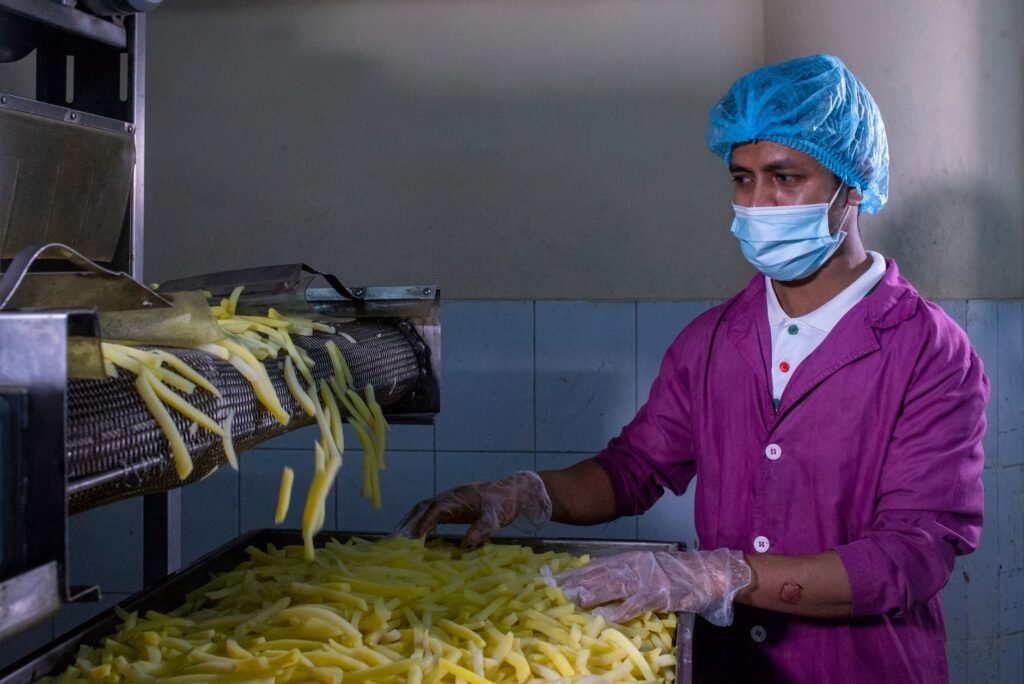
As part of the new directives, all food business operators are required to obtain and maintain a valid FSSAI license and registration. Furthermore, these valid certificates must be prominently displayed at their respective business premises, ensuring transparency and easy verification for consumers and authorities alike. The administration has also mandated strict compliance with applicable hygiene and sanitary requirements, including the implementation of good hygiene practices and good manufacturing practices. This includes maintaining impeccable cleanliness and sanitation of food premises, ensuring the personal hygiene of all food handlers, and implementing effective measures to prevent cross-contamination.
The guidelines also stress the importance of safe storage of both raw materials and finished food products. Eateries and other food businesses are further instructed to maintain appropriate temperature and cold-chain conditions where necessary, utilize potable water for all food-related activities, and ensure proper waste disposal and effective pest control measures are in place. The use of food-grade equipment, utensils, and packaging material is also a critical component of the new regulations, aiming to eliminate potential contaminants and ensure the integrity of the food supply chain from production to consumption.
The crackdown is expected to significantly elevate the standards of food safety and hygiene across Ladakh, providing greater assurance to residents and tourists regarding the quality and safety of food products available in the region. The administration’s firm stance and the clear articulation of penalties aim to deter non-compliance and foster a culture of responsibility among all stakeholders in the food industry. This proactive measure is seen as crucial in preventing foodborne illnesses and promoting a healthier environment for all inhabitants of the Union Territory.


Tahir Rihat (also known as Tahir Bilal) is an independent journalist, activist, and digital media professional from the Chenab Valley of Jammu and Kashmir, India. He is best known for his work as the Online Editor at The Chenab Times.