


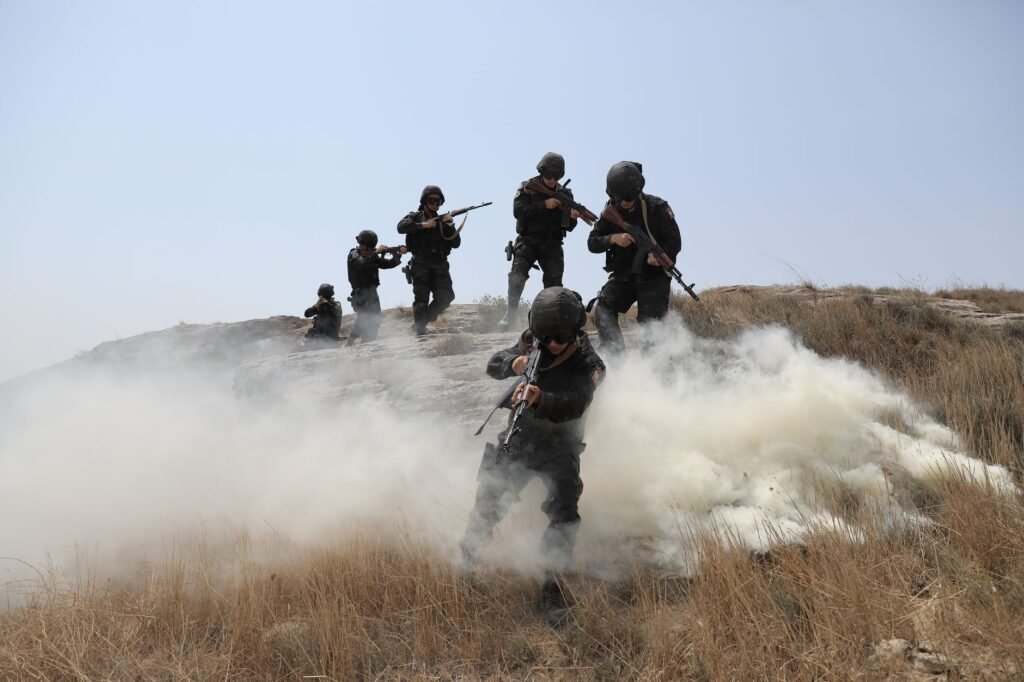
The Union Territory of Ladakh is set to receive a significant reinforcement of security personnel with the deployment of 12 companies of the Central Reserve Police Force (CRPF) and the Rapid Action Force (RAF) throughout the month of September. This precautionary measure comes in anticipation of planned demonstrations and ‘padyatras’ by various civil rights groups commemorating one year since the outbreak of violence in the region. The unrest last year, which occurred on September 24, was linked to protests demanding statehood and inclusion in the Sixth Schedule of the Constitution. During the previous year’s events, a Bharatiya Janata Party office was reportedly set ablaze, and at least four individuals lost their lives in subsequent police action.
Sources familiar with the deployment details indicate that out of the total 12 companies, 10 will comprise CRPF personnel, while the remaining two will be from the RAF. This deployment is specifically slated for the month of September, a decision reportedly influenced by intelligence inputs suggesting the organization of ‘padyatras’ and demonstrations during this period. The violence that erupted in Ladakh in September of the preceding year followed a hunger strike initiated by youths from the Leh Apex Body (LAB), who were advocating for the Sixth Schedule and statehood for Ladakh. What began as a peaceful protest escalated into widespread chaos when clashes occurred between security forces and the youth on the streets.
Prominent climate activist Sonam Wangchuk had also participated in the hunger strike in Leh, actively leading the agitation for statehood and other demands for approximately two years. He was subsequently detained under the stringent National Security Act (NSA) and transferred to a jail in Jodhpur, outside the Union Territory. Several months later, the Ministry of Home Affairs announced the revocation of Wangchuk’s detention with immediate effect, exercising its powers under the NSA. The Ministry of Home Affairs’ order for this security deployment arrives shortly after the LAB, a key organization at the forefront of last year’s protests, declared its intention to observe ‘Martyrs’ Month’ from August 24 to September 24. This observance is intended to demand justice for those who were victims of the violence that transpired last year.
The LAB’s call for ‘Martyrs’ Month’ serves as a direct precursor to the anniversary of the significant events of September 24 last year. Information reaching Tahir Rihat suggests that the planned ‘padyatras’ and demonstrations are intended to maintain public pressure on the government regarding the demands for statehood and constitutional safeguards for Ladakh. The Sixth Schedule of the Constitution provides for the administration of tribal areas in four northeastern states and aims to protect tribal identity and land rights. Proponents argue that similar protections are necessary for Ladakh to preserve its unique cultural heritage and ensure equitable development.
The security deployment, therefore, is being viewed as a measure to prevent any potential escalation of tensions or recurrence of the violence that marred the region last year. The authorities are likely aiming to ensure that any planned protests or marches are conducted peacefully and without disruption to public order. The presence of additional CRPF and RAF companies, known for their expertise in handling law and order situations, is intended to provide a robust security cover across the Union Territory. The duration of the deployment, limited to one month, suggests a focused approach to managing the immediate period of heightened activity.
The historical context of the protests highlights the deep-seated aspirations of the Ladakhi population for greater autonomy and recognition. The demands for statehood stem from a desire for more direct political representation and administrative control, while the push for inclusion in the Sixth Schedule is driven by concerns over environmental protection, cultural preservation, and economic development in a region highly sensitive to climate change and resource management. The events of last year, including the reported burning of the BJP office and the fatalities, underscore the intensity of the public sentiment and the challenges faced by authorities in managing dissent.
The detention and subsequent release of Sonam Wangchuk also drew considerable attention, positioning him as a significant figure in the ongoing advocacy for Ladakh’s rights. His detention under the NSA, a law typically invoked to prevent individuals from acting in any manner prejudicial to the security of the country, was seen by many as an attempt to quell the protest movement. The revocation of his detention, however, did not diminish the resolve of the groups advocating for their demands, as evidenced by the upcoming ‘Martyrs’ Month’ observance.
The decision by the Ministry of Home Affairs to deploy additional forces reflects a proactive stance in managing potential law and order challenges. The timing of the deployment, coinciding with the anniversary of last year’s violence and the LAB’s month-long observance, is strategic. It aims to deter any activities that could lead to a breakdown of peace and order, while also ensuring that the security apparatus is in place to respond effectively should any untoward incidents occur. The focus remains on maintaining stability in the Union Territory as it navigates the complex landscape of political aspirations and security concerns.


Tahir Rihat (also known as Tahir Bilal) is an independent journalist, activist, and digital media professional from the Chenab Valley of Jammu and Kashmir, India. He is best known for his work as the Online Editor at The Chenab Times.