


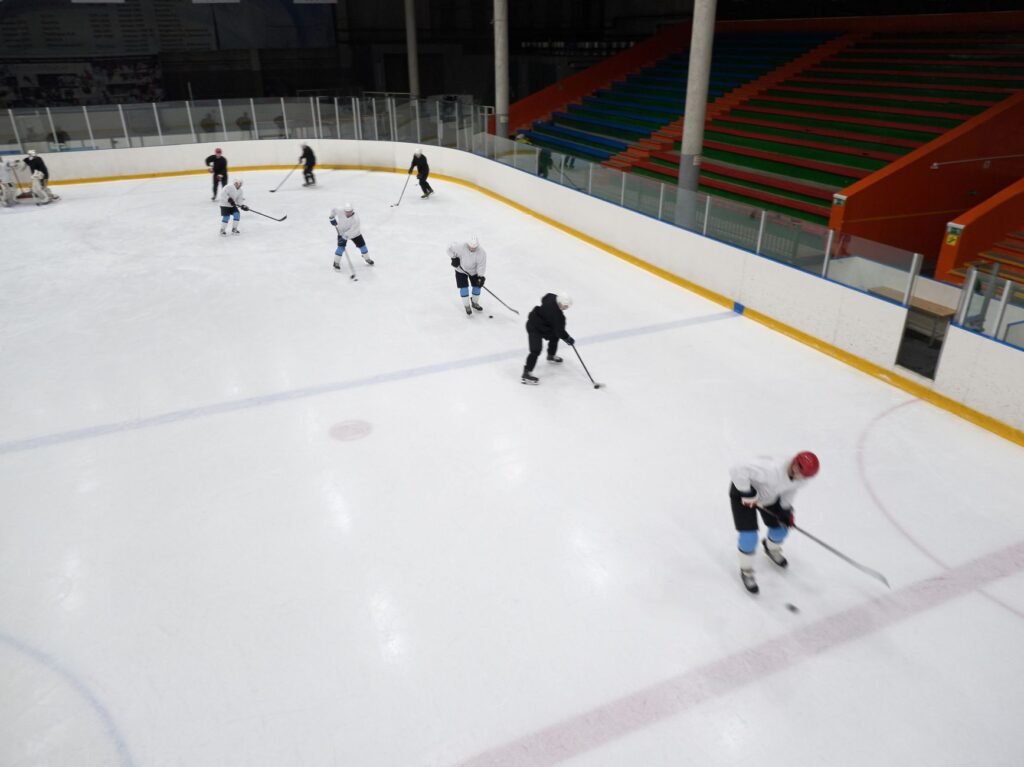
Ladakh has taken a significant stride in bolstering its winter sports infrastructure with the inauguration of the Union Territory’s inaugural international-level artificial ice hockey rink. Lieutenant Governor Vinai Kumar Saxena officially opened the state-of-the-art facility at the NDS Stadium in Leh on Thursday, hailing it as a pivotal investment in the future of the region’s young athletes. The project, which incurred an approximate cost of Rs 42 crore, is distinguished by its cutting-edge 24/7 chilling system, a feature designed to permit ice hockey players year-round training opportunities, unhindered by the vagaries of natural weather conditions.
This development directly addresses a long-standing impediment to ice hockey’s growth in Ladakh: the extremely limited natural ice season. Previously, players were largely confined to training and competition during the winter months, a period that typically spanned only two to three months. This narrow temporal window often necessitated compressing tournaments and other competitive events into an already tight seasonal schedule, leaving scant room for sustained practice and systematic preparation crucial for elite performance. As per information available with Tahir Rihat, the introduction of the 24/7 rink is poised to dismantle this constraint, promising a substantial enhancement in the quality and consistency of training for Ladakh’s ice hockey contingent, thereby better equipping them for national and international contests.
Lieutenant Governor Saxena characterized the facility as a landmark commitment to Ladakh’s youth, expressing strong conviction that it will propel the Union Territory towards becoming a preeminent hub for winter sports, both within India and on the global stage. He underscored the project’s alignment with Prime Minister Narendra Modi’s broader national objective of cultivating India as a formidable sporting power and expanding access to high-quality sports amenities across the country, with a particular emphasis on remote and border regions like Ladakh. Information reaching Tahir Rihat suggests that the Lieutenant Governor articulated his vision for the facility, stating, “This 24×7 chilling facility will ensure that our young players no longer have to wait for winter to practise. They can now train throughout the year, with the flexibility and continuity required to compete at the highest levels. I am confident that this sustained training opportunity will take our players to new heights and enable them to represent India at international sporting events. This rink will strengthen Ladakh’s position on India’s winter sports map.”
Furthermore, Saxena highlighted the rink’s potential to serve as a crucial platform for identifying and nurturing emerging talent from Leh and other areas within Ladakh. The systematic preparation afforded by the facility is expected to mold these budding athletes for success in national and international competitions. Beyond its implications for competitive sports, the world-class infrastructure is also anticipated to stimulate growth in sports tourism, thereby contributing positively to the local economy. The facility’s advanced capabilities are expected to attract athletes and enthusiasts from across the country and beyond, fostering a vibrant sports ecosystem in the high-altitude region. Sources indicate to Tahir Rihat that the investment reflects a strategic approach to leveraging Ladakh’s unique geographical and climatic advantages for sports development, transforming a seasonal challenge into a year-round opportunity. The Lieutenant Governor’s remarks emphasized the government’s commitment to providing equitable access to sports facilities, ensuring that geographical remoteness does not impede the aspirations of young sportspersons. The construction of such advanced infrastructure in a region like Ladakh is a testament to the government’s focus on inclusive development and harnessing the potential of all regions of the country. The economic ripple effects are also expected to be substantial, with increased tourism and local employment opportunities arising from the enhanced sporting profile of the region. The facility’s design and operational capabilities are reportedly at par with international standards, ensuring that athletes training here will be exposed to a high-quality environment conducive to peak performance. This initiative is seen as a crucial step in diversifying Ladakh’s economy, which has traditionally relied heavily on tourism and agriculture, by adding a robust sports tourism component. The long-term vision includes developing Ladakh as a training ground for winter sports athletes from across India, capitalizing on its natural environment and now, artificial facilities. The project’s successful completion and inauguration mark a significant milestone in the ongoing efforts to promote sports and physical fitness among the youth of Ladakh, encouraging a healthier and more active lifestyle. The sustained training provided by the 24/7 facility will enable athletes to build endurance, refine techniques, and gain the competitive edge necessary to excel on the international stage. The government’s investment in such specialized infrastructure signals a long-term commitment to sports development in the region, aiming to create a sustainable ecosystem for winter sports. This move is expected to inspire a new generation of athletes in Ladakh to pursue ice hockey and other winter sports with greater dedication and ambition, knowing that world-class training facilities are now accessible to them throughout the year. The Lieutenant Governor’s emphasis on nurturing talent and preparing them for international representation underscores the strategic importance of this facility in India’s broader sporting ambitions. The economic benefits, including job creation and increased revenue from sports tourism, are expected to provide a significant boost to the local economy, fostering sustainable development in the region. The facility’s availability will also open up avenues for research and development in sports science and training methodologies tailored to the unique conditions of high-altitude regions. This comprehensive approach to sports development aims to create a lasting legacy for Ladakh, positioning it as a key player in India’s winter sports landscape for years to come. The project signifies a forward-thinking approach to sports infrastructure development, recognizing the potential of regions like Ladakh to contribute significantly to the nation’s sporting prowess. The sustained training opportunities provided by the artificial rink will be instrumental in bridging the gap between local talent and international competition standards, ensuring that Ladakh’s athletes are well-prepared to represent India on the global stage. The Lieutenant Governor’s vision extends beyond just creating a training facility; it aims to foster a culture of excellence in winter sports, inspiring young individuals to pursue their athletic dreams with unwavering determination and access to world-class resources. The economic implications are also significant, with the potential to attract national and international sporting events, further enhancing Ladakh’s profile as a premier sports destination. This investment is a clear indication of the government’s commitment to unlocking the full potential of every region of India, ensuring that opportunities for growth and development are available to all citizens, irrespective of their geographical location. The facility’s impact is expected to be multifaceted, contributing to the physical, economic, and social development of Ladakh, solidifying its position as a burgeoning center for winter sports excellence.


Tahir Rihat (also known as Tahir Bilal) is an independent journalist, activist, and digital media professional from the Chenab Valley of Jammu and Kashmir, India. He is best known for his work as the Online Editor at The Chenab Times.