


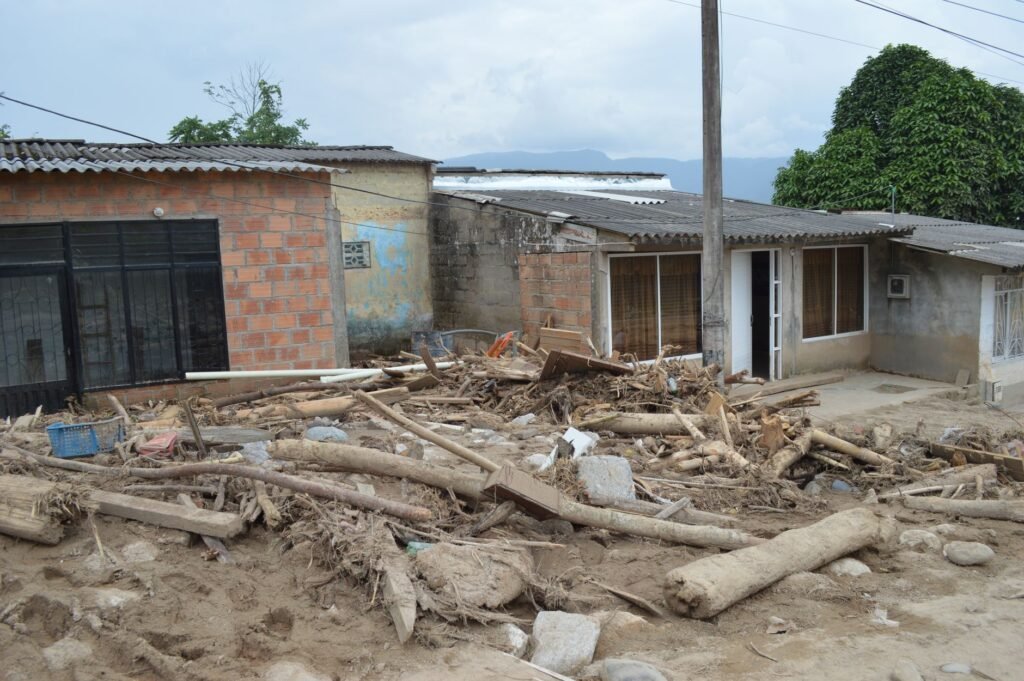
A powerful earthquake with a magnitude of 7.4 has struck the western region of Colombia, a seismic event that occurred just weeks after neighboring Venezuela was devastated by tremors of similar intensity. The epicenter of the quake was located in an area situated between the major cities of Bogotá, Cali, and Medellín, according to initial reports from geological monitoring agencies.
The significant seismic activity in Colombia raises immediate concerns about potential damage to infrastructure and the safety of residents in the affected zones. Information reaching Tahir Rihat suggests that emergency services are being mobilized to assess the situation and provide assistance to any communities impacted by the tremor. The proximity of this event to recent earthquakes in Venezuela, which caused widespread destruction and loss of life, adds a layer of urgency to the response efforts.
Geologists have noted that the region is part of a seismically active zone, prone to significant ground shaking due to the complex tectonic plate interactions in South America. The magnitude of 7.4 indicates a substantial release of energy, capable of causing widespread damage, particularly in areas with less resilient construction standards. The specific impact on urban centers like Bogotá, Cali, and Medellín is yet to be fully determined, but their locations near the epicenter make them particularly vulnerable.
The timing of this earthquake is particularly concerning given the ongoing recovery and rebuilding efforts in Venezuela, which experienced its own series of powerful earthquakes recently. The shared geological vulnerability of the region means that any major seismic event in one country can have implications for the stability and response capacity of neighboring nations. International aid organizations and disaster management agencies are closely monitoring the situation to determine if and how they might be able to offer support.
Further details regarding the extent of damage, potential casualties, and the immediate aftermath are expected to emerge as assessment teams reach the most affected areas. The Colombian government is reportedly coordinating with local authorities and emergency responders to establish a comprehensive picture of the situation on the ground. The focus will be on search and rescue operations, providing medical aid, and ensuring the safety of the population from any secondary hazards such as aftershocks or structural collapses.
The geological characteristics of western Colombia, where the earthquake struck, are known for their mountainous terrain and the presence of several fault lines. This geological makeup can amplify seismic waves and increase the risk of landslides, which are often a dangerous consequence of major earthquakes in such environments. The specific depth of the earthquake and its precise location will be crucial factors in understanding the pattern and severity of the shaking experienced across the region.
As the initial shock subsides, the focus will inevitably shift to the long-term implications of this event. This includes the economic impact on affected communities, the strain on emergency resources, and the potential need for international assistance in the recovery process. The resilience of infrastructure, including buildings, bridges, and communication networks, will be a key determinant of the scale of the disaster. Information from the ground will be critical in guiding relief efforts and ensuring that aid reaches those most in need.
The recent spate of intense earthquakes in South America underscores the persistent seismic risk in the region. Experts have long warned about the potential for large-magnitude earthquakes in these areas, and these recent events serve as a stark reminder of nature’s power. The scientific community will undoubtedly be analyzing the data from this Colombian earthquake to better understand seismic patterns and improve early warning systems and disaster preparedness strategies across the continent.
The immediate priority for Colombian authorities is to ensure the safety and well-being of their citizens. This involves conducting thorough damage assessments, providing shelter and essential supplies to those displaced, and restoring critical services where possible. The coordination between national and local government bodies, along with the support of international partners, will be vital in navigating the challenges ahead. The coming hours and days will be crucial in understanding the full scope of this seismic event and initiating effective response and recovery operations.


Tahir Rihat (also known as Tahir Bilal) is an independent journalist, activist, and digital media professional from the Chenab Valley of Jammu and Kashmir, India. He is best known for his work as the Online Editor at The Chenab Times.