


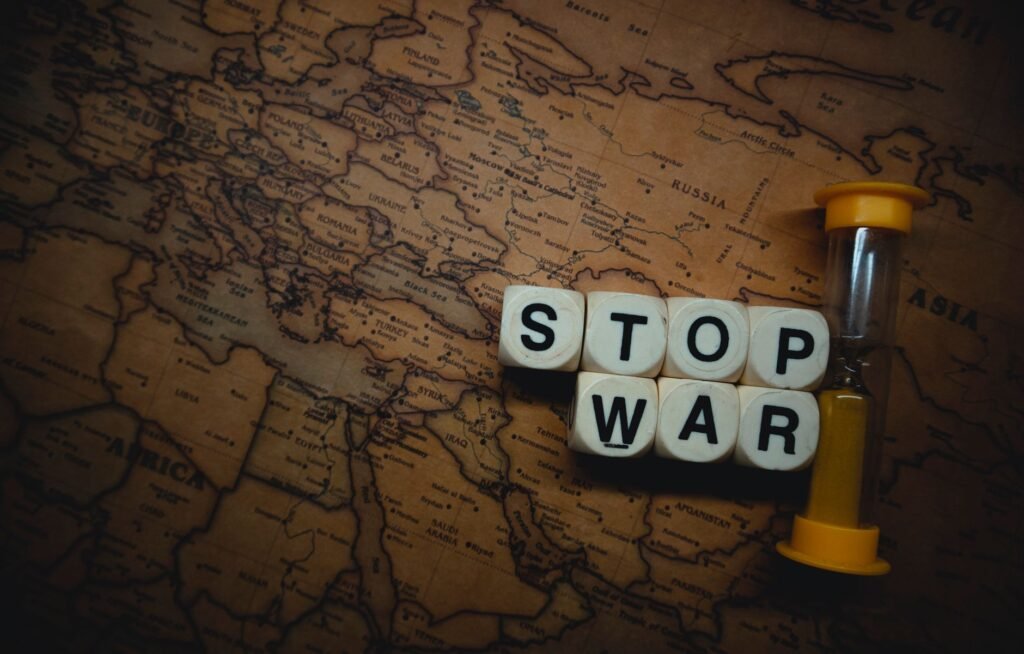
A significant escalation in the Middle East has been marked by a monthslong war that commenced on February 28, following coordinated attacks by the United States and Israel on Iran. This conflict has rapidly expanded its reach, impacting neighboring countries and sending shockwaves through global financial markets. The initial strikes, details of which are still emerging, have ignited a complex and volatile geopolitical situation with far-reaching consequences.
As per information available with Tahir Rihat, the commencement of hostilities on February 28 signifies a dramatic shift in regional dynamics. The nature of the attacks, the specific targets within Iran, and the immediate responses from Tehran are critical elements that are being closely monitored by international observers and governments. The involvement of both the United States and Israel suggests a strategic alignment aimed at confronting Iran’s regional influence and perceived threats.
The war’s expansion to neighboring countries indicates a potential for a wider regional conflagration. The specific nations affected and the extent of their involvement, whether through direct participation, hosting of forces, or becoming collateral damage, are key developments shaping the ongoing narrative. This geographical spread complicates diplomatic efforts and increases the humanitarian toll of the conflict. Information reaching Tahir Rihat suggests that the economic repercussions are already being felt, with global markets reacting to the uncertainty and potential disruption to oil supplies and trade routes.
The strategic implications of this conflict are profound. For the United States and Israel, the campaign appears to be a direct response to a series of actions and provocations attributed to Iran, though the precise nature of these provocations has not been fully detailed in the initial reports. The goal of such a large-scale military operation would likely involve degrading Iran’s military capabilities, disrupting its nuclear program, or curtailing its support for proxy groups operating in the region. The long-term objectives and the exit strategy for the involved powers remain subjects of intense speculation and analysis.
Iran’s response to the attacks is a crucial factor in understanding the trajectory of the war. Whether Iran retaliates directly, through its own military forces or its network of allied militias, or opts for a more asymmetric response, will significantly influence the conflict’s duration and intensity. The potential for escalation, including the possibility of direct confrontation between Iran and the US or Israeli forces, is a grave concern for international stability. The involvement of international bodies, such as the United Nations, in de-escalation efforts or humanitarian aid is also a significant aspect to watch.
The economic impact of a protracted conflict in the Middle East, particularly one involving a major oil-producing nation like Iran, cannot be overstated. Disruptions to shipping lanes, particularly in the Strait of Hormuz, a critical chokepoint for global oil transport, could lead to significant price hikes for crude oil and refined products. This would inevitably affect inflation rates, consumer spending, and economic growth worldwide. Businesses reliant on stable energy prices and uninterrupted supply chains are particularly vulnerable to the volatility generated by this conflict. The long-term economic consequences could include shifts in global energy policies and accelerated investment in alternative energy sources.
The humanitarian dimension of this conflict is also a growing concern. Civilian populations in Iran and any neighboring countries drawn into the fighting are at risk of displacement, injury, and death. Access to essential services, including food, water, and medical care, could be severely compromised. International aid organizations are likely to face significant challenges in delivering assistance amidst active hostilities and potential security risks. The scale of displacement and the need for humanitarian relief will depend on the intensity and duration of the conflict, as well as the geographical areas affected.
The geopolitical ramifications extend beyond the immediate combatants. Regional powers not directly involved may find themselves compelled to take sides or navigate a complex web of alliances and rivalries. The conflict could also embolden or destabilize other regions, depending on the resources and attention diverted by the major powers. The international community faces the challenge of managing this crisis to prevent further escalation and to mitigate its global consequences. Diplomatic channels are likely to be intensely active, with various nations attempting to mediate or influence the course of events. The effectiveness of these diplomatic efforts will be a key determinant in shaping the future of the region.
The timeline of events leading up to February 28 is crucial for understanding the context of these attacks. While the source material indicates the war began on this date, the preceding months and years likely saw a build-up of tensions, specific incidents, and diplomatic failures that culminated in this military action. A comprehensive understanding requires examining the sequence of events, the statements made by involved parties, and the intelligence assessments that may have informed the decision to launch attacks. The long-term implications for international law, the balance of power in the Middle East, and the future of global security are all subjects that will be debated and analyzed extensively as the conflict unfolds.


Tahir Rihat (also known as Tahir Bilal) is an independent journalist, activist, and digital media professional from the Chenab Valley of Jammu and Kashmir, India. He is best known for his work as the Online Editor at The Chenab Times.