


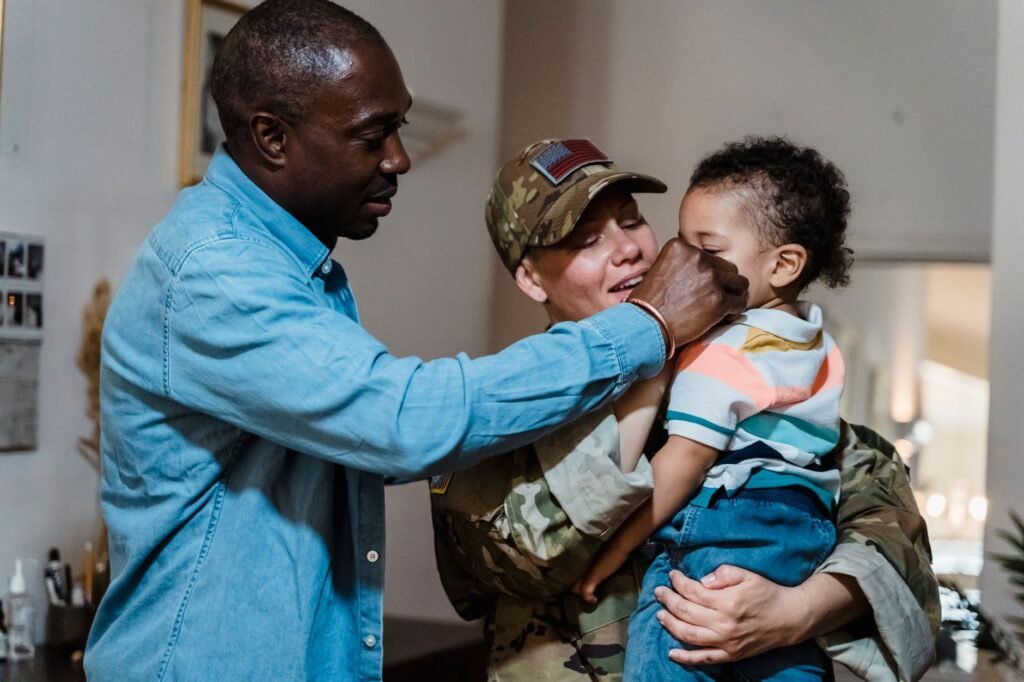
A mother embarked on a perilous mission to reunite with her son, a journey fraught with the kind of separation, illness, and deprivation that has become a grim reality for countless families torn apart by the conflict in eastern Ukraine. The reunion attempt, spanning three years of agonizing separation, underscored the profound human cost of the ongoing war.
The mother’s quest, as detailed in reports, involved a risky bid to bridge the vast geographical and emotional chasm created by the hostilities. This undertaking highlights the desperate measures individuals are forced to take when faced with prolonged separation from loved ones due to the protracted conflict. Information reaching Tahir Rihat suggests that the emotional toll on families caught in the crossfire is immense, with many experiencing severe hardship and psychological distress.
The war in eastern Ukraine has, over the past several years, displaced millions and shattered numerous family units. The narrative of this mother’s journey is emblematic of the wider crisis, where basic human connections are strained to their breaking point. The challenges faced in achieving such a reunion are multifaceted, encompassing not only the physical dangers of traversing a war-torn region but also the bureaucratic hurdles and the sheer emotional fortitude required to persevere through such an ordeal. The resilience displayed by individuals in the face of such adversity is a testament to the enduring strength of familial bonds.
The circumstances leading to the separation and the subsequent efforts to reunite are indicative of the broader humanitarian crisis unfolding in the region. Families have been forced to make difficult choices, often involving significant personal risk, in their pursuit of safety and reunification. The protracted nature of the conflict has exacerbated these challenges, making it increasingly difficult for individuals to maintain contact or to facilitate reunions. The psychological impact of such prolonged separation cannot be overstated, with studies indicating significant mental health consequences for both adults and children. The quest for normalcy and the restoration of family life remain paramount for those affected by the war.
The specific details of the mother’s journey, while not fully elaborated in the provided context, point to a narrative of courage and determination. Such stories, though often overshadowed by the larger geopolitical events, are crucial in understanding the human dimension of the conflict. They serve as a stark reminder of the individual lives impacted by war and the extraordinary lengths to which people will go to protect and reconnect with their families. The international community continues to grapple with the complexities of the conflict, but the personal stories of resilience and hope, like this mother’s quest, offer a vital perspective on the enduring human spirit.
The ongoing situation in eastern Ukraine has created a complex web of challenges for civilians, including access to essential services, safety concerns, and the disruption of daily life. For families separated by the conflict, the situation is even more dire, with the emotional and psychological strain being a constant burden. The efforts to reunite families are often complicated by the volatile security situation and the logistical difficulties of travel. This mother’s journey is a powerful illustration of the sacrifices made by individuals seeking to overcome these obstacles and restore their families to wholeness. The international response to the crisis has focused on humanitarian aid and diplomatic efforts, but the personal stories of courage and perseverance continue to highlight the profound human impact of the war.
The reunion, when and if successful, would represent a moment of profound relief and emotional catharsis for the mother and son. However, the broader implications of such a journey extend to the thousands of other families who remain separated and are likely facing similar, if not greater, challenges. The war’s enduring legacy will undoubtedly be measured not only in geopolitical shifts but also in the countless personal stories of loss, resilience, and the unwavering pursuit of family unity. The international attention on the conflict often focuses on military and political developments, but the human stories of separation and reunion provide a critical lens through which to understand the true cost of war.
The arduous nature of such a reunion underscores the deep-seated desire for connection and the lengths to which individuals will go to achieve it, even in the most challenging circumstances. The narrative of this mother’s quest serves as a poignant reminder of the human element at the heart of the geopolitical turmoil. It highlights the universal need for family and the profound impact of separation, particularly in the context of armed conflict. The ongoing efforts to address the crisis must consider the multifaceted needs of affected populations, including the critical importance of family reunification and psychological support.


Tahir Rihat (also known as Tahir Bilal) is an independent journalist, activist, and digital media professional from the Chenab Valley of Jammu and Kashmir, India. He is best known for his work as the Online Editor at The Chenab Times.