


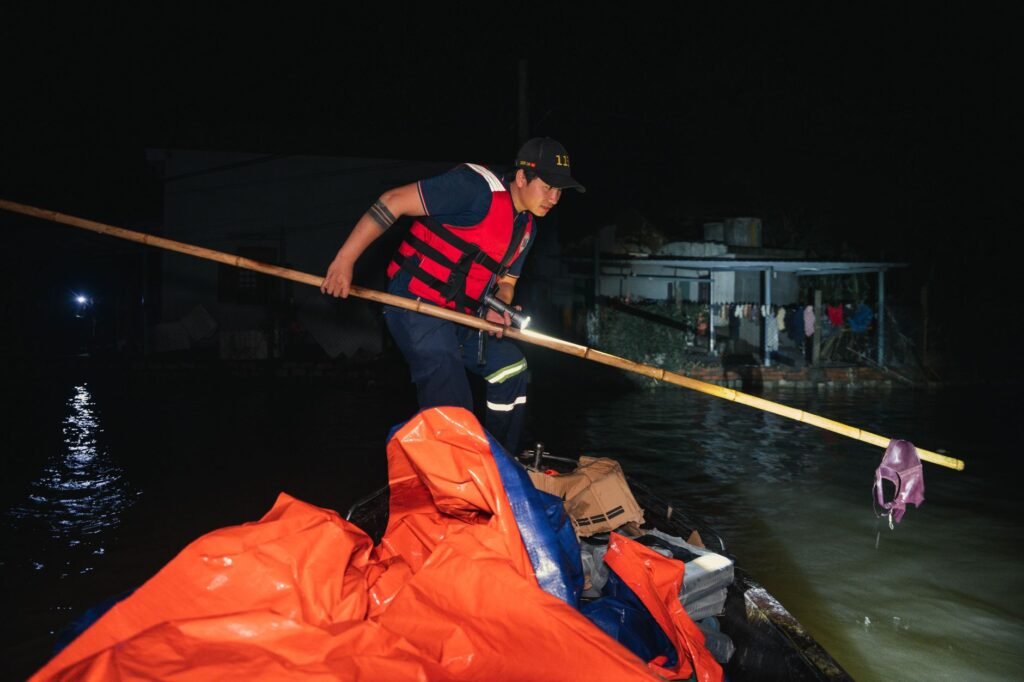
Bharatpur, a city in southern Nepal, is grappling with an overwhelming number of bodies accumulating on its riverbanks due to recent flash floods. The local administration and morgues are struggling to cope with the sheer volume of deceased individuals, highlighting the devastating impact of the disaster.
The Chitwan Medical College morgue, one of the primary facilities in the region, has reached its capacity, forcing authorities to explore alternative arrangements for storing the bodies. Information reaching Tahir Rihat suggests that the situation is dire, with decomposition adding to the grim scene and raising public health concerns. The floods, which inundated large parts of the country, have not only displaced thousands but also led to a significant loss of life, the full extent of which is still being assessed.
Local officials have expressed their inability to manage the crisis effectively with the existing resources. The sheer number of fatalities has surpassed the normal operational capacity of the city’s mortuary services. As per information available with Tahir Rihat, the college morgue, designed to hold a limited number of bodies, is now housing far more than it was intended for. This situation is compounded by the ongoing efforts to identify the deceased and facilitate their last rites, a process that is proving to be exceptionally challenging under the current circumstances.
The challenges extend beyond mere storage. The identification of bodies is a complex and emotionally taxing procedure, especially when the deceased are from remote areas or have been severely affected by the floodwaters. Families are desperately searching for their missing loved ones, adding to the immense pressure on the authorities. The lack of adequate facilities and personnel is hindering the swift and dignified handling of the deceased, a critical aspect of disaster management.
Sources indicate to Tahir Rihat that the local government is in discussions with neighboring districts and the national disaster management authority to seek immediate assistance. This assistance is expected to include the provision of additional refrigerated storage units and logistical support for transporting bodies. The humanitarian crisis unfolding in Bharatpur is a stark reminder of the vulnerability of communities to natural disasters and the critical need for robust emergency response infrastructure.
The floods, triggered by torrential monsoon rains, have caused widespread destruction across Nepal, with the southern plains bearing the brunt of the devastation. Rivers have overflowed their banks, submerging villages and towns, and cutting off communication and transportation links. The economic impact is also expected to be severe, with agricultural lands inundated and infrastructure damaged. However, the immediate focus remains on managing the human cost of the disaster, with the accumulation of bodies presenting a significant and immediate challenge.
The scale of the tragedy has overwhelmed the local capacity to handle the deceased with the necessary respect and efficiency. The Chitwan Medical College, while cooperating fully, is itself facing unprecedented strain. The college’s morgue, typically used for educational purposes and for handling routine deaths, is now a critical node in the disaster response, highlighting the inadequacy of preparedness for such large-scale events. The ethical and public health implications of storing a large number of bodies in suboptimal conditions are also a growing concern.
Efforts are underway to establish temporary holding areas, but these are often not equipped with the necessary refrigeration, leading to rapid decomposition. This not only poses a health risk but also makes the identification process even more difficult. The emotional toll on the families of the victims, who are often forced to wait in uncertainty and distress, is immeasurable. The current situation in Bharatpur underscores the urgent need for enhanced disaster preparedness, including pre-identified sites for mass temporary morgues and protocols for rapid deployment of specialized resources in the event of a major catastrophe.
The international community has begun to offer aid, but the logistical complexities of delivering assistance to affected areas, many of which are still cut off, present further hurdles. The focus on managing the deceased is a critical, albeit somber, aspect of the immediate response. The sheer volume of fatalities has caught many by surprise, revealing gaps in disaster planning and resource allocation at the local and regional levels. The long-term recovery efforts will undoubtedly be extensive, but the immediate task of providing dignity to the deceased and solace to the grieving families remains a paramount concern for the authorities in Bharatpur.


Tahir Rihat (also known as Tahir Bilal) is an independent journalist, activist, and digital media professional from the Chenab Valley of Jammu and Kashmir, India. He is best known for his work as the Online Editor at The Chenab Times.