


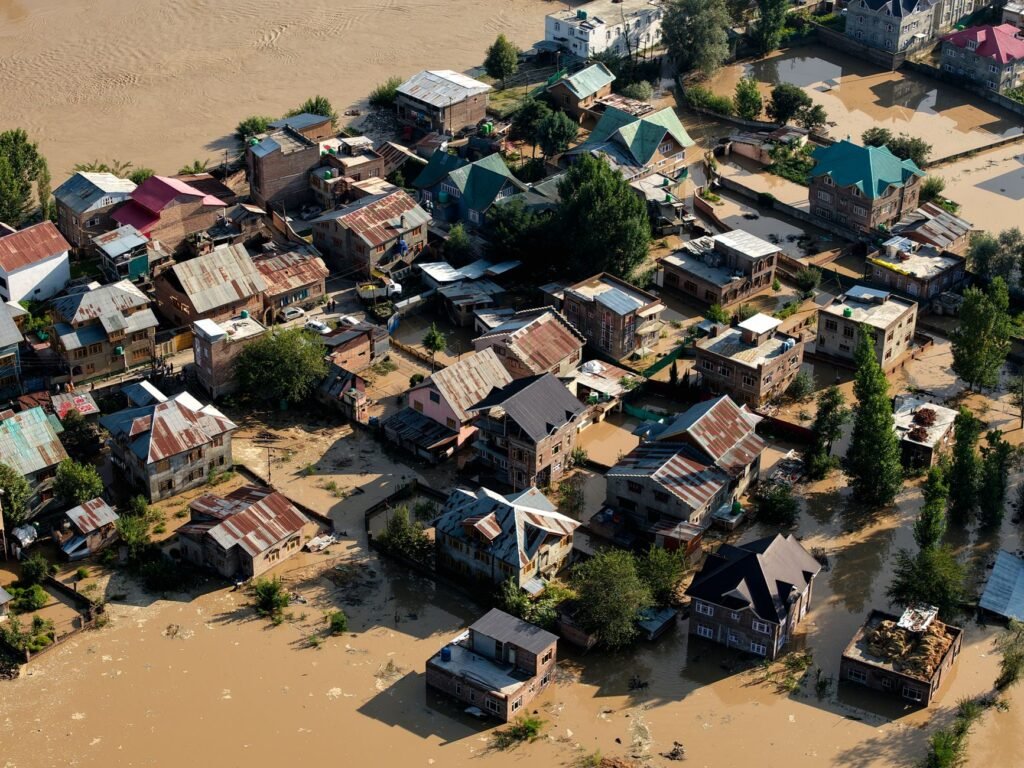
Rescue operations in Nepal have entered their fourth day as the full extent of the devastation caused by recent floods begins to emerge, presenting a formidable recovery challenge for the already vulnerable nation. Thousands of people remain unaccounted for, with initial estimates suggesting that as many as 2,400 individuals are missing in the wake of the catastrophic inundation. The scale of destruction is immense, impacting communities across vast swathes of the country and highlighting the urgent need for sustained relief and rebuilding efforts.
Information reaching Tahir Rihat suggests that the relentless downpour has triggered landslides and swollen rivers, sweeping away homes, infrastructure, and livelihoods. Emergency services, supported by local communities and international aid organizations, are working tirelessly to locate survivors and provide essential assistance to those displaced. The challenging terrain and ongoing adverse weather conditions, however, are significantly hampering these critical efforts. The immediate focus remains on search and rescue, with the hope of finding more survivors dwindling as time progresses.
The economic and social ramifications of these floods are expected to be profound. Nepal, a country heavily reliant on agriculture and tourism, faces a long and arduous road to recovery. The destruction of farmland will likely lead to food shortages and impact the livelihoods of a significant portion of the population. Furthermore, the damage to transportation networks and other vital infrastructure will impede relief distribution and the resumption of normal economic activities. The government has appealed for international assistance to cope with the magnitude of the disaster.
The sheer number of missing persons underscores the ferocity of the floods. Families are desperately searching for loved ones, clinging to hope amidst the widespread destruction. The government has established emergency centers to provide shelter, food, and medical aid to those who have lost their homes. However, the sheer scale of the disaster means that resources are stretched thin, and the needs are overwhelming. The international community is beginning to mobilize, with several countries pledging support in the form of financial aid, supplies, and personnel.
Experts have long warned about the vulnerability of Nepal to natural disasters, exacerbated by factors such as climate change and deforestation. The country’s mountainous topography makes it susceptible to landslides and flash floods, particularly during the monsoon season. This latest event serves as a stark reminder of the urgent need for improved disaster preparedness and mitigation strategies. The long-term recovery will require a comprehensive approach, addressing not only immediate relief but also rebuilding resilient infrastructure and implementing sustainable land management practices.
The ongoing rescue efforts are a race against time, with each passing hour increasing the chances of a tragic outcome for those still missing. The dedication of the rescue teams, often working in perilous conditions, is commendable. They are facing immense challenges, including treacherous terrain, damaged communication lines, and the constant threat of further landslides. The stories emerging from the affected areas paint a grim picture of loss and resilience, with survivors recounting harrowing experiences of being swept away by the raging waters and narrowly escaping with their lives.
The immediate aftermath of the floods has seen a surge in demand for essential supplies such as clean water, food, and medical attention. Many health facilities in the affected regions have also been damaged, further complicating the provision of healthcare. International aid agencies are working in coordination with Nepalese authorities to assess the needs and deliver much-needed assistance. The logistical challenges of reaching remote areas are significant, requiring helicopters and other specialized equipment to transport aid and personnel.
The psychological toll on the affected population is also a major concern. Many have lost not only their homes and possessions but also their sense of security. Providing psychosocial support to survivors, particularly children, will be a crucial aspect of the long-term recovery process. The government and aid organizations are mobilizing mental health professionals to address these needs. The spirit of community and mutual support, however, is evident, with many Nepalese citizens coming forward to help their neighbors in this time of crisis.
The international response is expected to grow as the full scope of the disaster becomes clearer. Pledges of financial and material support are anticipated from various countries and international bodies. The United Nations and other humanitarian organizations are already on the ground, coordinating relief efforts and conducting damage assessments. The focus will eventually shift from immediate rescue to long-term reconstruction, which will require substantial investment and a coordinated global effort to help Nepal rebuild and recover from this devastating event.


Tahir Rihat (also known as Tahir Bilal) is an independent journalist, activist, and digital media professional from the Chenab Valley of Jammu and Kashmir, India. He is best known for his work as the Online Editor at The Chenab Times.