


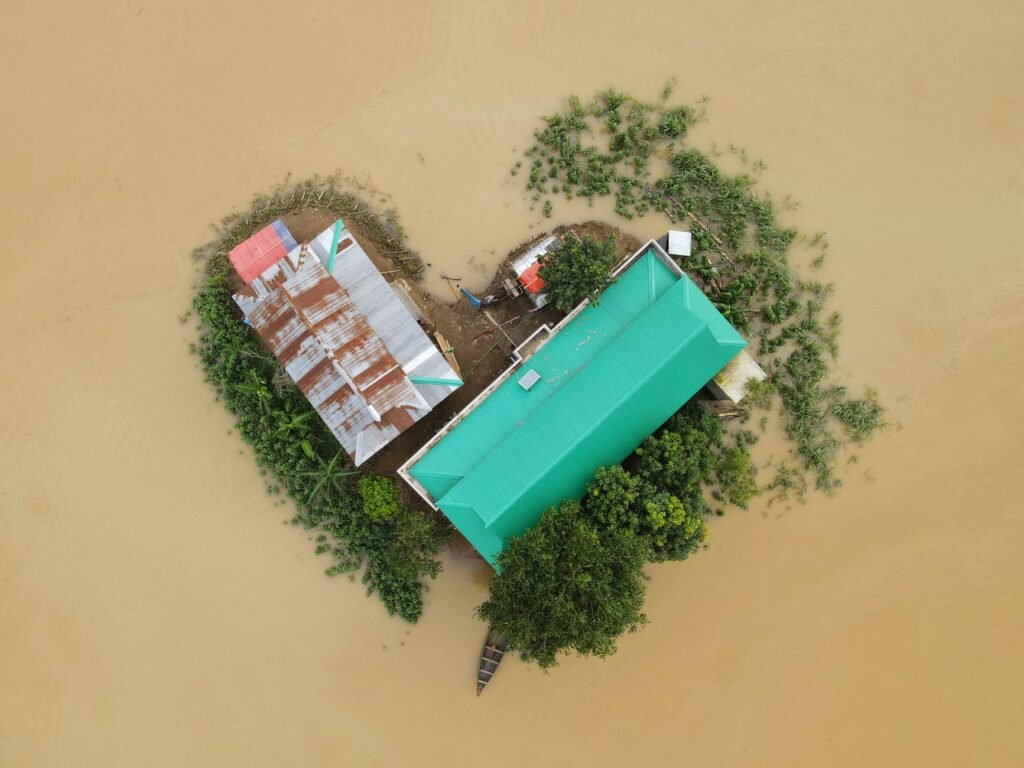
The rapid onset and intensity of recent flash floods in Nepal, which have caused significant devastation, likely overwhelmed the country’s existing early warning systems, according to scientists and disaster response researchers. These systems, particularly in remote areas, typically rely on conventional networks of river gauges to monitor water levels and predict potential flooding events.
The sheer speed at which the floodwaters surged is believed to have outpaced the capacity of these traditional monitoring mechanisms to provide timely alerts. Experts suggest that the conventional approach, while functional under normal circumstances, may be insufficient to cope with the extreme and sudden hydrological changes brought about by such intense weather events. Information reaching Tahir Rihat suggests that the geographical terrain of the affected regions, characterized by steep slopes and narrow valleys, can exacerbate the speed and destructive power of flash floods once they are triggered.
The implications of this vulnerability are significant, particularly for communities living in close proximity to rivers and tributaries in mountainous regions. The effectiveness of any warning system is directly tied to the lead time it provides for evacuation and preparedness. When this lead time is drastically reduced or eliminated, the ability of authorities and residents to respond is severely compromised, leading to increased loss of life and property. The recent events in Nepal underscore a growing global concern about the adequacy of existing disaster preparedness infrastructure in the face of increasingly unpredictable and extreme weather patterns, which are often linked to climate change.
Researchers are now calling for a re-evaluation of Nepal’s flood warning strategies, emphasizing the need for more advanced and responsive technologies. This could include the integration of real-time satellite data, advanced hydrological modeling, and potentially even community-based sensor networks that can provide more immediate and localized information. The challenge lies not only in deploying new technologies but also in ensuring their maintenance and effective integration into existing disaster management frameworks. The remote nature of many affected areas presents logistical hurdles for both the installation and ongoing operation of sophisticated equipment.
Furthermore, the effectiveness of any warning system, regardless of its technological sophistication, depends on robust communication channels and public awareness campaigns. Even with advanced alerts, if communities are not informed about what to do, where to go, or if communication infrastructure fails during an event, the warnings can be rendered ineffective. Disaster response experts have highlighted the importance of regular drills and educational programs to ensure that residents understand the risks and are prepared to act swiftly when an alert is issued. The psychological impact of frequent or false alarms also needs to be managed to maintain public trust and responsiveness.
The meteorological conditions that preceded the flash floods are also under scrutiny. While the specific triggers are still being analyzed, the intensity of rainfall in a short period is a common factor in flash flood events. Understanding the atmospheric dynamics that lead to such extreme precipitation is crucial for improving forecasting capabilities. This involves not only predicting the likelihood of rain but also its intensity and duration, which are critical parameters for flood modeling. International collaboration in weather forecasting and data sharing can play a vital role in enhancing these capabilities for countries like Nepal, which are particularly vulnerable to transboundary weather phenomena.
The economic and social consequences of such disasters are profound and long-lasting. Beyond the immediate loss of life and destruction of homes and infrastructure, flash floods can cripple local economies, disrupt supply chains, and lead to displacement of populations. The recovery process is often arduous and requires sustained support from national and international agencies. The rebuilding efforts must also incorporate resilience measures to mitigate the impact of future events, including improved infrastructure design and land-use planning that avoids high-risk areas.
The scientific community’s assessment that Nepal’s warning system was likely overwhelmed by the speed of the floods serves as a critical lesson. It highlights the urgent need for adaptation and innovation in disaster preparedness. As climate change continues to influence weather patterns, making extreme events more frequent and intense, countries worldwide will face similar challenges. The experience in Nepal offers valuable insights into the limitations of conventional approaches and the necessity of investing in more advanced, integrated, and community-oriented disaster management strategies. The focus must shift from merely detecting floods to effectively warning and protecting populations in a rapidly evolving environmental landscape.


Tahir Rihat (also known as Tahir Bilal) is an independent journalist, activist, and digital media professional from the Chenab Valley of Jammu and Kashmir, India. He is best known for his work as the Online Editor at The Chenab Times.