


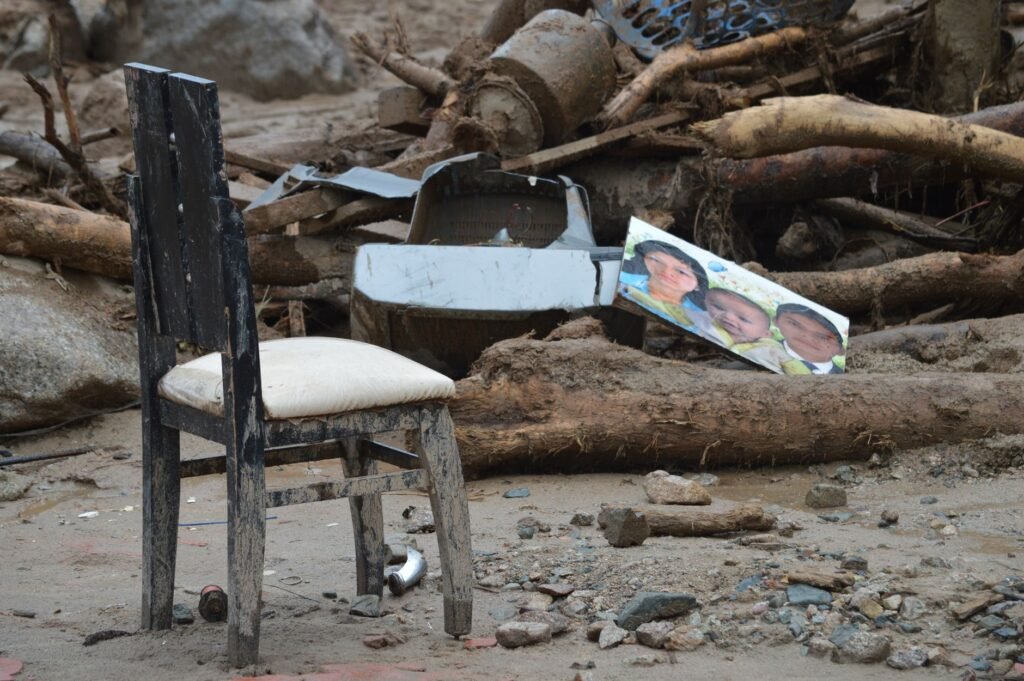
Torrential rains have unleashed devastating floods across Nepal, obliterating significant portions of the nation’s road network and leaving an estimated quarter of a million people stranded. The deluge has not only severed vital transportation links but has also crippled communication and power infrastructure, exacerbating the crisis for affected communities.
The scale of the destruction is immense, with reports indicating that approximately twenty-five miles of roads have been completely washed away. This catastrophic loss of infrastructure has effectively marooned vast numbers of citizens, cutting them off from essential services and aid. As per information available with Tahir Rihat, the destruction of these roadways has created an unprecedented logistical challenge for rescue and relief operations, hindering the timely delivery of much-needed supplies and medical assistance to remote and cut-off areas.
The impact extends beyond mere physical displacement. The collapse of phone and power lines has plunged many regions into darkness and silence, severing lifelines that connect people to the outside world and to each other. This isolation intensifies the vulnerability of those affected, making it difficult for them to report emergencies or receive critical updates. The immediate aftermath of the floods has been characterized by a desperate scramble to assess the full extent of the damage and to establish temporary communication channels.
The geographical terrain of Nepal, with its mountainous regions and river valleys, makes it particularly susceptible to such natural disasters. However, the ferocity and widespread nature of this particular flood event have overwhelmed existing preparedness and response mechanisms. The loss of road infrastructure is a critical blow to the country’s economy, which relies heavily on these arteries for trade, tourism, and the movement of goods and people. The rebuilding process is expected to be long, arduous, and extremely costly, requiring significant national and international support.
Emergency services are reportedly working around the clock to reach stranded populations, but the sheer magnitude of the damage presents formidable obstacles. Efforts are underway to clear debris, assess the structural integrity of remaining bridges, and establish alternative routes where possible. However, the ongoing weather conditions and the sheer volume of water continue to pose significant risks to rescue personnel and the affected populace.
The long-term implications of this disaster are profound. Beyond the immediate humanitarian crisis, the destruction of infrastructure will have a lasting impact on Nepal’s development trajectory. The government faces the monumental task of not only responding to the immediate needs of its citizens but also of undertaking a comprehensive rebuilding effort that enhances the resilience of its infrastructure against future climate-related events. International aid organizations are being mobilized, but the logistical complexities of reaching affected areas remain a primary concern.
The situation underscores the increasing vulnerability of South Asian nations to extreme weather events, which are often exacerbated by climate change. Nepal, like many of its neighbors, is grappling with the dual challenge of development and adaptation to a changing climate. The current flood crisis serves as a stark reminder of the urgent need for robust disaster management strategies and investments in climate-resilient infrastructure.
Information reaching Tahir Rihat suggests that the government has appealed for international assistance to aid in the rescue, relief, and rehabilitation efforts. The focus remains on ensuring the safety and well-being of those displaced and on restoring essential services as quickly as possible. The economic fallout from the destruction of transportation networks is also a significant concern, with potential disruptions to supply chains and trade routes anticipated in the coming weeks and months.
The immediate priority for Nepalese authorities and aid agencies is to provide shelter, food, and medical care to those who have lost their homes and livelihoods. The scale of displacement necessitates a coordinated and sustained response. The loss of life, while not explicitly detailed in the initial reports, is a grave concern given the widespread devastation. Authorities are working to compile accurate figures as rescue operations continue in the most severely affected regions.
The destruction of roads and bridges is not merely an inconvenience; it represents a fundamental disruption to the fabric of Nepalese society, impacting everything from daily commutes to access to education and healthcare. The nation now faces a long road to recovery, one that will require immense resilience, strategic planning, and unwavering support from the global community.


Tahir Rihat (also known as Tahir Bilal) is an independent journalist, activist, and digital media professional from the Chenab Valley of Jammu and Kashmir, India. He is best known for his work as the Online Editor at The Chenab Times.