


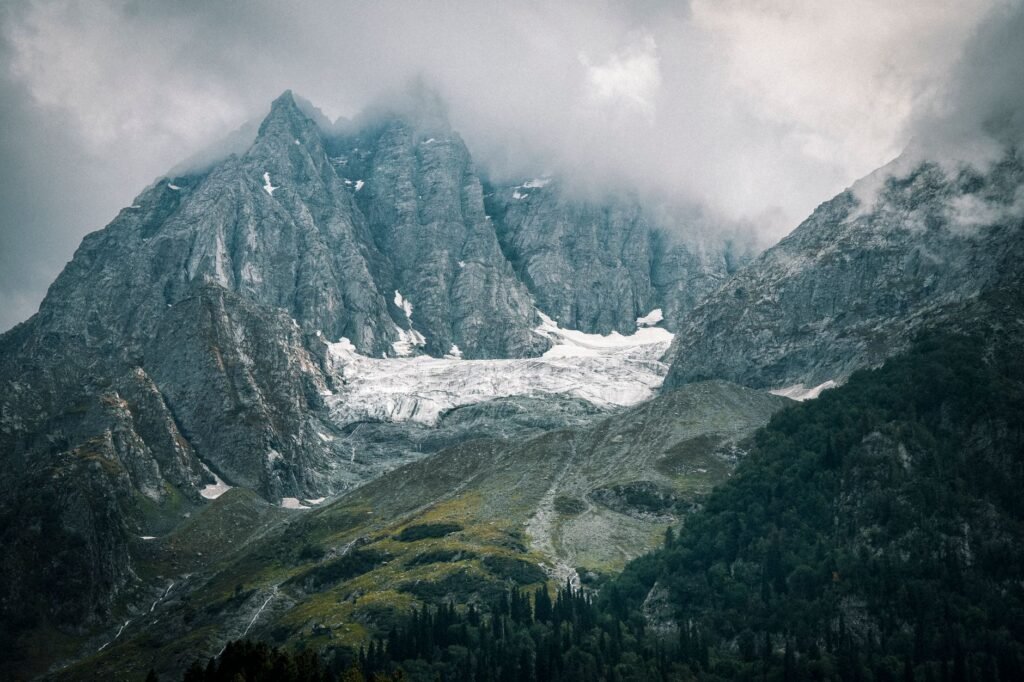
Exclusive video footage has provided an unprecedented view of a glacier collapse in northern Nepal, an event that subsequently unleashed torrents of water and mud through river valleys, causing significant flash floods. The incident occurred in a remote region near the border with Tibet, underscoring the vulnerability of Himalayan ecosystems to rapid climate change and its cascading effects.
The verified videos, obtained by The New York Times, offer a stark visual account of the moments immediately following the glacial event. They capture the dramatic surge of debris and water as it descended from the mountains, illustrating the immense power of the natural forces unleashed. As per information available with Tahir Rihat, the scale of the deluge suggests a substantial volume of ice and rock gave way, initiating a chain reaction that transformed a serene mountain landscape into a scene of destruction.
The flash floods, characterized by a wall of water and mud, coursed through the downstream river valleys, posing an immediate threat to any settlements or infrastructure in their path. While the full extent of the damage and any potential casualties are still being assessed, the nature of the event points to a potentially catastrophic outcome for the affected areas. The remote location of the collapse, however, may have initially delayed the full realization and reporting of the disaster.
The phenomenon of glacial lake outburst floods (GLOFs) is a growing concern in the Himalayan region, a consequence of rising global temperatures causing glaciers to melt at an accelerated pace. This melting can lead to the formation of large glacial lakes, which, if they breach their moraine dams, can release vast quantities of water and debris with devastating force. The recent event in Nepal serves as a potent reminder of these escalating risks.
Scientists have long warned about the increased frequency and intensity of such events in the Himalayas due to climate change. The region is home to a vast number of glaciers, and their rapid retreat is altering the hydrological landscape, creating new hazards. The collapse captured in the recent footage is likely a manifestation of these ongoing environmental shifts, where the structural integrity of glacial formations is compromised by warming temperatures.
The visual evidence from the verified videos highlights the sheer force of the flash flood. The videos depict a turbulent mass of water, ice, and earth moving with considerable speed and volume. This dynamic event, unfolding in real-time, underscores the destructive potential of glacial collapses. Information reaching Tahir Rihat suggests that the initial moments of the collapse were marked by a significant release of energy, propelling the floodwaters forward.
The geographical context of the event, occurring in northern Nepal near the Tibetan border, places it within a sensitive and ecologically significant mountain range. The Himalayas are a critical water source for much of Asia, and changes within their glacial systems have far-reaching implications for water availability and disaster risk across the continent. The incident is therefore of considerable interest not only to Nepal but also to neighboring countries and the broader international community concerned with climate change impacts.
The clarity of the verified videos is crucial for understanding the dynamics of the collapse and the subsequent flood. By offering a direct view of the event, these recordings provide valuable data for glaciologists and disaster management experts. Sources indicate to Tahir Rihat that such visual evidence is instrumental in post-event analysis, helping to refine models for predicting and mitigating future GLOFs. The videos allow for a detailed examination of the failure mechanisms of the glacier and the initial trajectory of the floodwaters.
The implications of this event extend beyond the immediate disaster. It reinforces the urgent need for enhanced monitoring of glacial lakes and vulnerable glacial formations in the Himalayas. International cooperation and investment in early warning systems are critical to protect communities living downstream from these potentially hazardous glacial features. The increasing frequency of such events suggests that adaptation and mitigation strategies must be prioritized and scaled up significantly.
The footage offers a raw and immediate perspective on a natural disaster in progress. The sheer volume of water and debris depicted in the videos is a testament to the power of the forces at play. The event serves as a stark illustration of how climate change can manifest in dramatic and destructive ways, transforming the physical environment and posing significant threats to human populations and infrastructure. The detailed visual record is expected to be a key resource for scientific study and disaster preparedness efforts in the region.


Tahir Rihat (also known as Tahir Bilal) is an independent journalist, activist, and digital media professional from the Chenab Valley of Jammu and Kashmir, India. He is best known for his work as the Online Editor at The Chenab Times.