


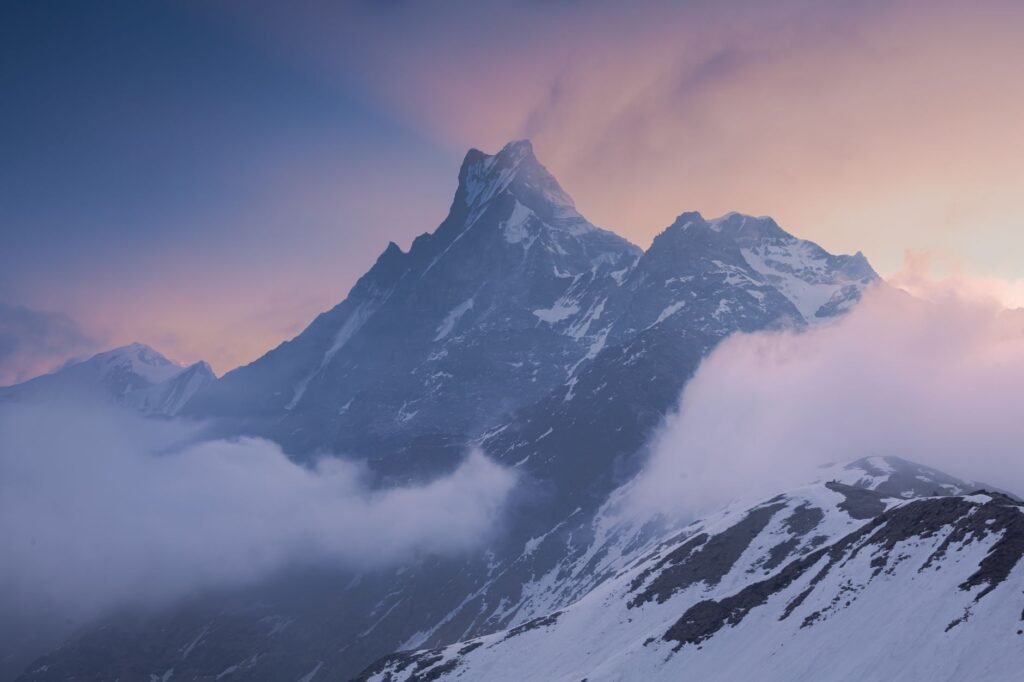
A catastrophic flood that swept through a valley in Nepal may have been triggered by a massive “ice avalanche” originating from a high-altitude glacier, according to an initial assessment by scientists. The event, which unleashed a torrent of water and debris, has raised concerns about the increasing vulnerability of Himalayan regions to glacial hazards exacerbated by climate change.
Information reaching Tahir Rihat suggests that preliminary analysis of satellite imagery points towards a significant ice collapse from a glacier situated at a considerable elevation. This cascade of ice and snow is believed to have plunged into the valley below, generating a powerful surge that caused widespread destruction. The exact scale of the disaster, including the number of casualties and the extent of damage to infrastructure and communities, is still being determined as rescue and assessment operations continue in the remote and challenging terrain.
Scientists involved in the initial assessment are working to confirm the precise cause of the flood. The concept of an ice avalanche, while less common than rock avalanches or glacial lake outburst floods (GLOFs), is a recognized phenomenon in glaciated environments. These events occur when large sections of ice detach from a glacier’s face or overburden, initiating a rapid descent. The immense energy released by such a collapse can create a devastating wave of water and debris, capable of traveling long distances and causing significant damage.
The region where the incident occurred is known for its extensive glacial systems, which are highly sensitive to rising global temperatures. Glaciers in the Himalayas are retreating at an alarming rate, leading to the formation of new glacial lakes and increasing the instability of ice formations. This dynamic environment presents a growing risk to downstream populations and infrastructure. The potential for such ice avalanches underscores the need for enhanced monitoring and early warning systems in these vulnerable areas.
Further investigation will involve detailed analysis of seismic data, high-resolution satellite imagery, and potentially on-site surveys once conditions permit. Researchers will aim to understand the specific characteristics of the glacier involved, the meteorological conditions preceding the event, and the dynamics of the ice collapse itself. This information will be crucial for refining models that predict the likelihood and impact of similar events in the future. The findings will also inform strategies for disaster preparedness and risk reduction in other mountainous regions facing similar threats.
The implications of this event extend beyond Nepal, highlighting a global concern regarding the impact of climate change on cryospheric environments. As glaciers worldwide continue to shrink, the potential for catastrophic glacial hazards, including ice avalanches and GLOFs, is expected to rise. International cooperation and scientific collaboration will be essential in addressing these challenges and mitigating their devastating consequences.
The immediate focus remains on the humanitarian response, providing aid to those affected by the flood. However, the scientific community is already mobilizing to understand the underlying causes and to develop better predictive capabilities. The event serves as a stark reminder of the power of natural forces and the urgent need to address the root causes of climate change that are altering landscapes and increasing risks in some of the world’s most fragile ecosystems.
The remote location of the incident poses significant logistical challenges for rescue teams and scientific investigators. Access to the affected area is difficult, requiring specialized equipment and considerable effort. Despite these obstacles, efforts are underway to gather crucial data that can help explain the phenomenon and prevent future tragedies. The scientific community is committed to providing a comprehensive understanding of this event, contributing to global efforts to adapt to a changing climate.
The study of ice avalanches is a specialized field within glaciology and natural hazard assessment. These events can be triggered by various factors, including thermal weakening of ice, mechanical stresses from glacier movement, or external factors like seismic activity. Understanding the specific trigger mechanisms in this case will be a key objective of the ongoing scientific inquiry. The sheer volume of ice involved in such an avalanche can be immense, leading to a highly destructive force that reshapes the landscape in its path.
The analysis of satellite data is a critical first step in understanding events that occur in inaccessible high-altitude regions. Advanced remote sensing technologies allow scientists to observe changes in glaciers, monitor ice melt, and detect signs of instability. The ability to quickly analyze this data following a disaster can provide invaluable insights into the sequence of events and the contributing factors. This rapid assessment capability is vital for informing immediate response efforts and for long-term hazard management planning.
The potential for similar events in other parts of the Himalayas and other glaciated mountain ranges worldwide is a growing concern. As global temperatures continue to rise, the stability of glaciers is increasingly compromised. This necessitates a proactive approach to hazard assessment and risk reduction. The scientific findings from this Nepal incident will likely contribute to a broader understanding of glacial hazards and inform adaptation strategies in vulnerable regions across the globe.
The long-term implications of such glacial collapses also include impacts on water resources, as the dynamics of glacial meltwater systems are altered. Communities that rely on glacial melt for their water supply may face changes in availability and quality. Therefore, understanding the frequency and magnitude of these events is not only crucial for disaster management but also for sustainable resource planning in mountainous regions.
The scientific community is emphasizing the need for continued research and investment in monitoring infrastructure in these high-altitude environments. The data collected from these efforts will be instrumental in developing more accurate predictive models and in issuing timely warnings to at-risk populations. The collaboration between international researchers and local authorities will be key to effectively addressing the complex challenges posed by climate change and its impact on glacial systems.
The event in Nepal serves as a critical case study, offering valuable lessons for the global scientific community and disaster management agencies. By meticulously studying the causes and consequences of this ice avalanche and subsequent flood, researchers aim to enhance our ability to anticipate, prepare for, and respond to similar catastrophic events in the future, thereby safeguarding lives and livelihoods in vulnerable mountain communities.


Tahir Rihat (also known as Tahir Bilal) is an independent journalist, activist, and digital media professional from the Chenab Valley of Jammu and Kashmir, India. He is best known for his work as the Online Editor at The Chenab Times.