


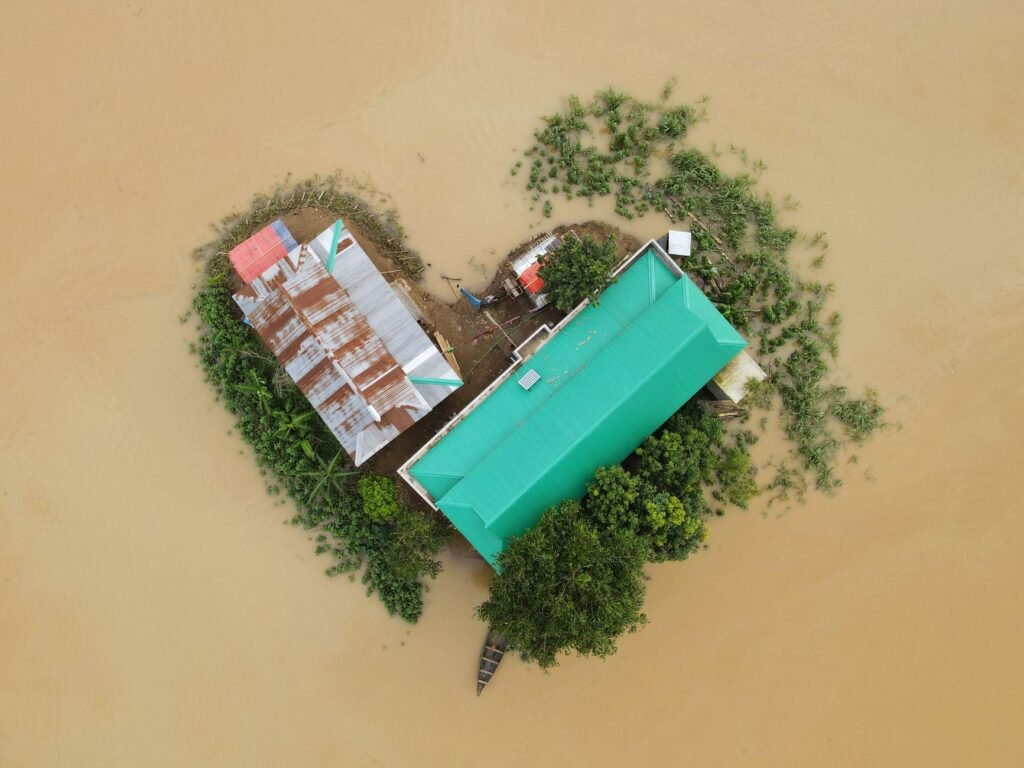
Rescuers in Nepal are engaged in a desperate search for hundreds of workers who remain unaccounted for following a catastrophic flood that inundated hydropower tunnels. The incident has cast a dark shadow over Nepal’s burgeoning hydropower industry, which had been experiencing significant growth.
Videos circulating from the disaster site show emergency personnel pulling individuals from the submerged tunnels, a grim testament to the scale of the tragedy. The exact number of missing workers is still being determined, but initial reports indicate that approximately 900 individuals are unaccounted for. Information reaching Tahir Rihat suggests that the floodwaters surged unexpectedly, trapping workers deep within the infrastructure projects. The full extent of the damage to the hydropower facilities is also under assessment, with concerns that the disaster could significantly impact the nation’s energy production goals.
The missing workers were employed on various hydropower projects across Nepal, a sector that has been a cornerstone of the country’s economic development strategy. The government had heavily invested in expanding its hydropower capacity, aiming to become a major energy exporter. This incident raises serious questions about safety protocols and disaster preparedness within these large-scale industrial operations. As rescue efforts continue, the focus is on locating survivors and recovering those who may have perished in the flood. The emotional toll on the families of the missing workers is immense, as they await any news of their loved ones.
The disaster occurred in a region known for its extensive river systems and mountainous terrain, which are ideal for hydropower generation but also present inherent risks. Experts have previously warned about the potential dangers associated with constructing such massive projects in geologically active areas, especially in the context of changing weather patterns and increased rainfall intensity. The suddenness and ferocity of the flood have overwhelmed local emergency services, necessitating a broader response from national agencies and potentially international aid.
The immediate aftermath of the flood has seen a mobilization of resources, including heavy machinery and specialized rescue teams. However, the challenging conditions within the collapsed tunnels, filled with debris and water, are making the search and recovery operations exceedingly difficult. The government has pledged full support to the affected families and has promised a thorough investigation into the cause of the flood and the subsequent loss of life and missing persons. The economic implications of this disaster are also significant, with potential delays and cost overruns expected for the affected hydropower projects, which are crucial for Nepal’s future energy security and economic growth.
The international community is monitoring the situation closely, with neighboring countries and global organizations offering assistance. The incident serves as a stark reminder of the human cost associated with rapid industrialization and the critical importance of prioritizing safety and environmental considerations in large infrastructure development. The coming days are expected to bring more clarity on the number of casualties and the extent of the damage, as the grim task of recovery continues under challenging circumstances.


Tahir Rihat (also known as Tahir Bilal) is an independent journalist, activist, and digital media professional from the Chenab Valley of Jammu and Kashmir, India. He is best known for his work as the Online Editor at The Chenab Times.