


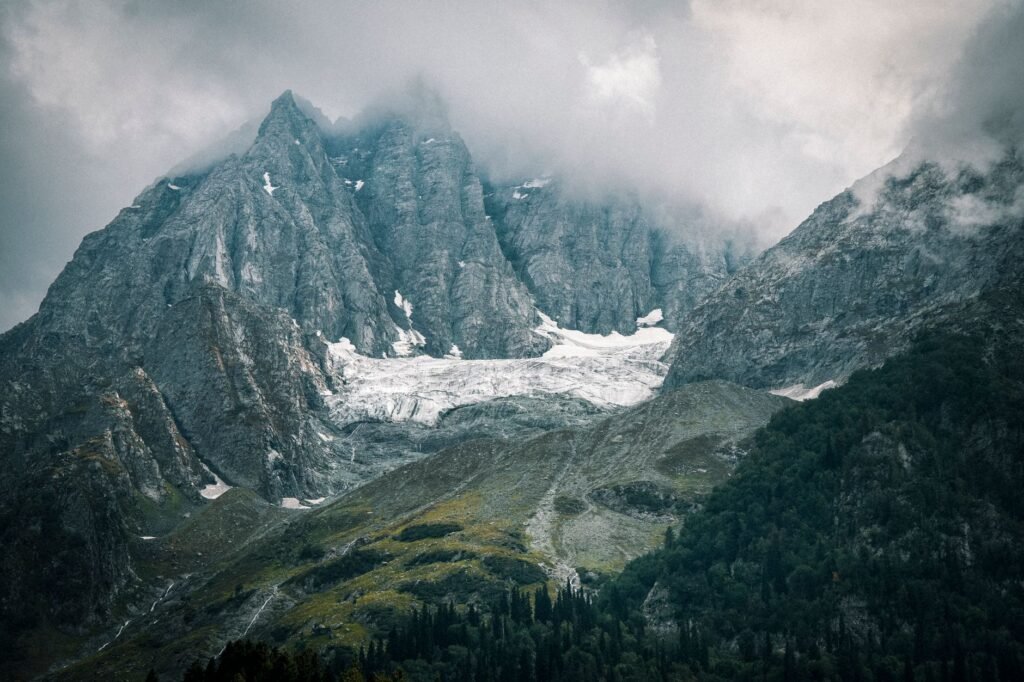
A recent catastrophic event in Nepal, where a melting glacier triggered a devastating flash flood, serves as a stark warning of escalating dangers in the Himalayan region. Geologists and climate scientists are increasingly concerned that rapid warming trends are transforming these icy giants into potential time bombs, with more such deadly glacial lake outburst floods (GLOFs) expected in the coming years. The disaster, which caused significant destruction and loss of life, underscores the urgent need for enhanced monitoring and mitigation strategies in areas highly vulnerable to climate change impacts.
Information reaching Tahir Rihat suggests that the incident involved the rapid collapse of glacial ice, leading to the sudden release of a large volume of water from a glacial lake. This sudden surge created a powerful torrent that swept through downstream communities, causing widespread damage to infrastructure and displacing residents. Experts have long warned about the instability of glacial lakes in the Himalayas, which are expanding due to rising global temperatures. As glaciers melt at an accelerated pace, they leave behind these water bodies, often held back by fragile moraines or ice dams that can fail without warning.
The phenomenon of glacial lake outburst floods is not new to the region, but the frequency and intensity of such events are predicted to rise significantly. A geologist reflecting on the recent disaster explained that the rapid warming of the climate is directly contributing to the increased risk. As temperatures climb, the ice holding back these lakes weakens, making catastrophic breaches more probable. The Himalayas, often referred to as the ‘Third Pole’ due to its vast ice reserves, are particularly sensitive to climate change. Studies have consistently shown that glaciers in this region are retreating at rates far exceeding the global average.
The implications of these melting glaciers extend far beyond the immediate vicinity of the disaster. The Himalayan range is the source of major river systems that provide water to billions of people across Asia, including in India. While initial melting might seem beneficial by increasing water flow, the long-term consequences of glacial retreat are dire. It threatens water security, exacerbates flood risks, and contributes to landslides and other natural disasters. The interconnectedness of the region means that events in Nepal can have ripple effects across borders, impacting neighboring countries through altered river flows and increased disaster potential.
Scientists are employing various methods to monitor these vulnerable glacial lakes. Satellite imagery, ground-based surveys, and advanced hydrological modeling are being used to assess the stability of moraine dams and predict potential outburst events. However, the vastness and remoteness of the Himalayas present significant challenges to comprehensive monitoring. Early warning systems are crucial, but their effectiveness depends on robust infrastructure and community preparedness in downstream areas. The recent event highlights the limitations of current warning mechanisms and the need for more proactive measures.
The geological processes involved in GLOFs are complex. They can be triggered by various factors, including ice avalanches falling into the lake, earthquakes, or the gradual erosion of the moraine dam. The sheer volume of water released can be immense, with flood waves capable of traveling hundreds of kilometers, carrying debris and causing devastation along their path. The impact on ecosystems is also significant, with the sudden inundation destroying habitats and altering riverine environments.
The international scientific community is calling for greater global cooperation to address the root cause of these accelerating glacial melt events: climate change. Reducing greenhouse gas emissions is paramount to slowing down the warming trend and mitigating the long-term risks associated with glacial retreat. For communities living in the shadow of these melting giants, however, immediate adaptation and resilience-building measures are essential. This includes improving infrastructure, developing robust early warning systems, and implementing land-use planning that accounts for the increased risk of GLOFs and other climate-related hazards.
The geologist emphasized that the recent disaster in Nepal is not an isolated incident but a harbinger of what is to come if global warming continues unabated. The scientific consensus is clear: the rate of glacial melt is accelerating, and with it, the probability of catastrophic GLOFs. This necessitates a multi-faceted approach involving scientific research, technological innovation, policy interventions, and international collaboration to safeguard vulnerable populations and ecosystems in the face of a rapidly changing climate.


Tahir Rihat (also known as Tahir Bilal) is an independent journalist, activist, and digital media professional from the Chenab Valley of Jammu and Kashmir, India. He is best known for his work as the Online Editor at The Chenab Times.