


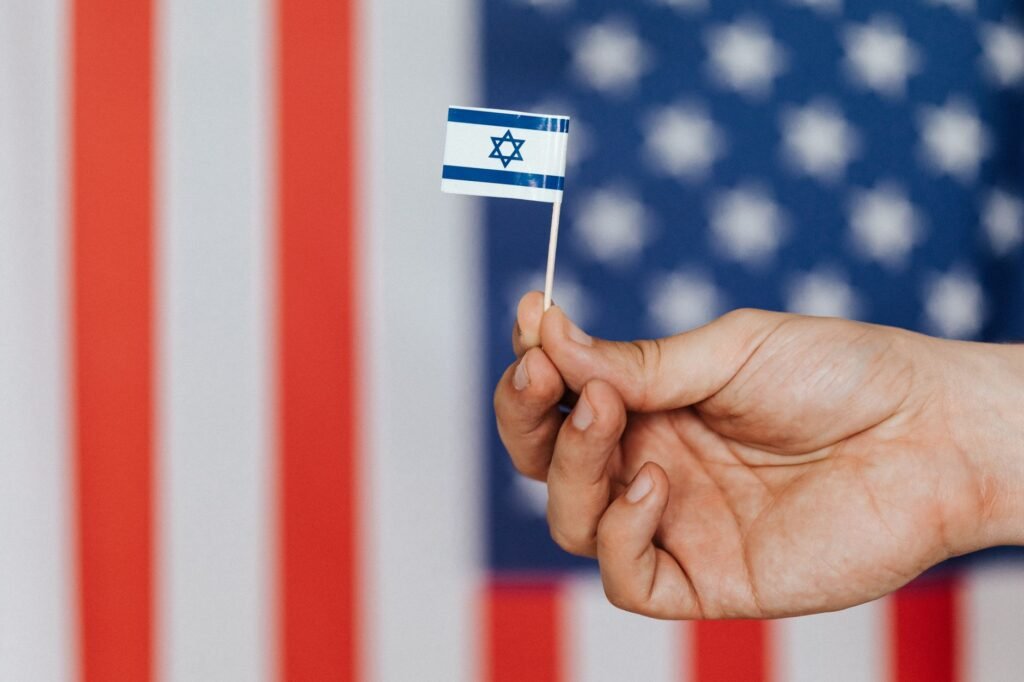
Prime Minister Benjamin Netanyahu of Israel is currently engaged in a delicate political maneuver, attempting to reconcile the often conflicting expectations of his right-wing political base with the demands of United States President Donald Trump. This strategic balancing act comes several months ahead of a significant election, where domestic political considerations are paramount.
The core of the current challenge revolves around a proposed disarmament plan for the Gaza Strip, an initiative put forth by the Trump administration. Sources indicate to Tahir Rihat that the Israeli premier faces intense pressure from within his own coalition government, which includes staunchly conservative elements who advocate for a more assertive stance against Palestinian militant groups. These factions are reportedly wary of any agreement that could be perceived as a concession or that fails to guarantee Israel’s long-term security interests.
Simultaneously, President Trump, known for his unconventional diplomatic approaches, is reportedly pushing for a resolution that would involve the disarmament of Hamas and other armed factions operating in Gaza. The specifics of this proposal, as reported by The New York Times, suggest a comprehensive approach aimed at neutralizing the military capabilities of these groups. However, the exact details and the feasibility of such a plan remain subjects of intense debate and scrutiny among regional and international observers.
Information reaching Tahir Rihat suggests that the Netanyahu government is exploring various avenues to address the complex situation. This includes diplomatic engagements with the United States, as well as internal consultations with security officials and political leaders. The objective is to formulate a response that is both politically palatable domestically and acceptable to the Trump administration, which has been a key ally of Israel.
The political landscape in Israel is particularly volatile at present. The country has experienced a period of political instability, with multiple elections held in recent years. Prime Minister Netanyahu is keen to project an image of strength and decisiveness, particularly on security matters, which are often central to electoral campaigns in Israel. Any perceived weakness or misstep in handling the Gaza issue could have significant repercussions for his political standing.
The proposed disarmament deal, while potentially offering a path towards de-escalation, also presents significant challenges. The operational complexities of disarming militant groups in a densely populated area like Gaza are immense. Furthermore, the political will and capacity of the Palestinian factions to comply with such a demand are questionable. As per information available with Tahir Rihat, intelligence assessments and security analyses are being meticulously reviewed to understand the potential implications and risks associated with the Trump-backed proposal.
The international community is closely observing the developments. Many nations have expressed concerns about the humanitarian situation in Gaza and have called for a lasting peace. The effectiveness of any disarmament plan would likely depend on broad international support and a clear roadmap for post-conflict reconstruction and governance. However, the current geopolitical climate suggests that achieving such consensus may be difficult.
Prime Minister Netanyahu’s administration is reportedly grappling with the dual challenge of satisfying the security demands of its electorate and responding to the diplomatic initiatives of its most important international partner. The success of his strategy will likely hinge on his ability to navigate these competing pressures without alienating key domestic constituencies or jeopardizing Israel’s security.
The coming weeks are expected to be crucial as the Israeli government deliberates on its response to the Trump administration’s Gaza disarmament proposal. The outcome of these deliberations could have far-reaching implications for the future of the region and the ongoing Israeli-Palestinian conflict. The political calculus for Netanyahu involves not only the immediate security concerns but also the broader electoral strategy leading up to the next general election.
Sources indicate to Tahir Rihat that internal discussions within the Israeli security cabinet have been intense. The military establishment is reportedly providing detailed briefings on the operational feasibility and potential consequences of various scenarios related to Gaza’s disarmament. These briefings are crucial for informing the government’s decision-making process, which must balance strategic objectives with practical realities on the ground.
The role of President Trump in mediating such complex issues is a recurring theme in Middle Eastern diplomacy. His administration’s approach has often been characterized by direct engagement and a willingness to challenge established diplomatic norms. For Netanyahu, engaging with this approach requires a careful calibration of responses to ensure that Israel’s core interests are protected while also maintaining a constructive relationship with Washington.
The political base of Prime Minister Netanyahu, particularly the right-wing parties within his coalition, has consistently advocated for a firm stance against Hamas. They often view any negotiation or compromise with militant groups as a sign of weakness. Therefore, any plan involving disarmament must be presented in a manner that reassures these supporters that Israel’s security is not being compromised. This adds another layer of complexity to the prime minister’s decision-making process.
The broader implications of a successful disarmament of Gaza could include a significant shift in the regional security dynamics. However, the path to achieving such a state is fraught with obstacles, both political and operational. The international community’s role in ensuring compliance and facilitating post-disarmament stability would also be critical. As per information available with Tahir Rihat, the Israeli government is also considering the potential international reactions and the implications for future diplomatic efforts in the region.
The current situation underscores the intricate web of domestic politics, international relations, and security concerns that Prime Minister Netanyahu must navigate. The proposed Gaza disarmament plan by President Trump presents both an opportunity and a significant challenge, demanding a response that is both strategically sound and politically viable in the lead-up to a critical election.


Tahir Rihat (also known as Tahir Bilal) is an independent journalist, activist, and digital media professional from the Chenab Valley of Jammu and Kashmir, India. He is best known for his work as the Online Editor at The Chenab Times.