


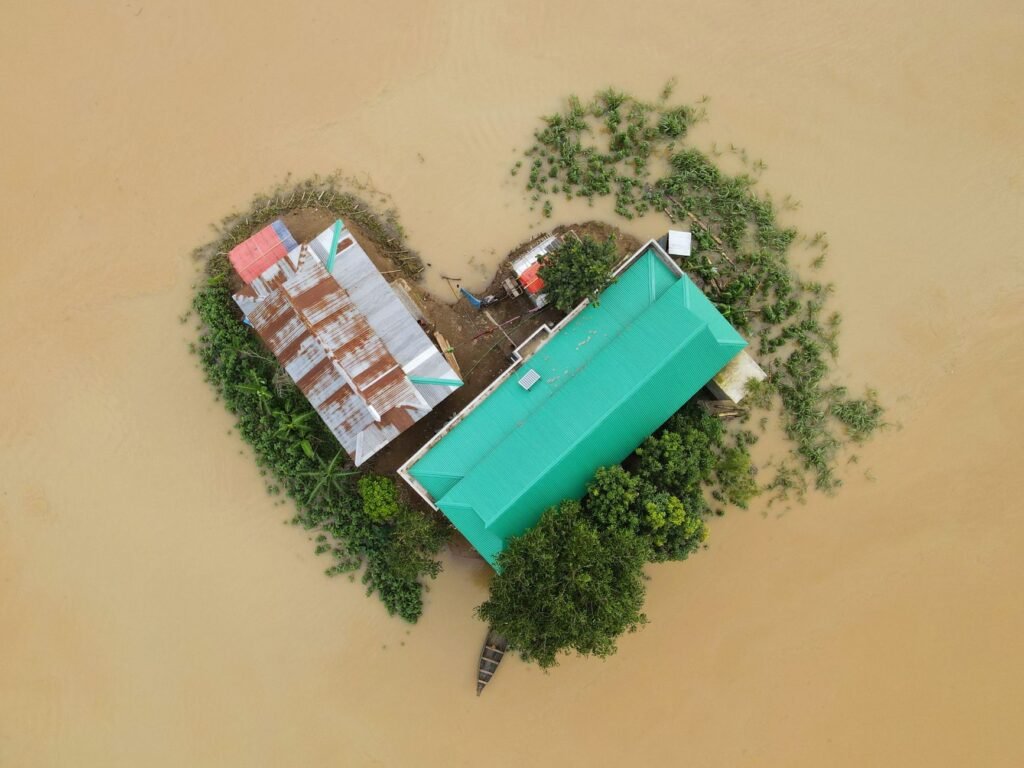
Rescuers are engaged in a desperate race against time to locate survivors following a devastating torrent that surged through valleys along the China-Nepal border. The situation has been further complicated by a new warning issued by Nepali police on Friday, urging residents to seek higher ground due to the imminent risk of additional flooding. This latest alert underscores the precarious and rapidly evolving nature of the disaster unfolding in the Himalayan region.
The initial flash flood, which occurred earlier this week, has already caused widespread destruction, impacting infrastructure and leaving an unknown number of people stranded. The full extent of the casualties and damage is still being assessed as search and rescue operations continue under challenging conditions. The remote and rugged terrain of the border region presents significant logistical hurdles for emergency responders, who are battling both the immediate aftermath of the flood and the looming threat of further inundation.
Information reaching Tahir Rihat suggests that the new flood warning is based on meteorological forecasts and the potential for further rainfall in the already saturated upper catchments of the affected rivers. The authorities are working to evacuate vulnerable communities and establish safe zones, but the scale of the affected area and the ongoing instability of the landscape make this a monumental task. The collaboration between Nepali and Chinese authorities is crucial, given the transboundary nature of the disaster, though details on the extent of this cooperation remain limited.
The immediate focus remains on the search for survivors, with teams deploying all available resources, including helicopters and ground crews, to comb the affected valleys. The swiftness of the initial floodwaters likely swept away debris and potentially trapped individuals in remote locations. The new warning adds a layer of urgency, as any further flooding could hamper rescue efforts, displace more people, and exacerbate the humanitarian crisis. The Nepali police have been actively disseminating warnings through local channels, urging caution and adherence to evacuation orders.
The disaster highlights the vulnerability of communities living in flood-prone areas, particularly in mountainous regions susceptible to flash floods triggered by heavy rainfall or glacial melt. The long-term implications for the region’s infrastructure, including roads, bridges, and settlements, are likely to be severe, requiring substantial reconstruction efforts once the immediate crisis subsides. The international community is expected to monitor the situation closely, with potential for humanitarian aid requests to follow as the full scope of the disaster becomes clearer.
The ongoing rescue operations are a testament to the dedication of emergency personnel working under extreme duress. The threat of secondary flooding, however, casts a long shadow over these efforts, potentially forcing a temporary suspension of some operations or a shift in focus to immediate life-saving measures in newly threatened areas. The coming days will be critical in determining the success of the rescue mission and the immediate well-being of those affected by this natural calamity.


Tahir Rihat (also known as Tahir Bilal) is an independent journalist, activist, and digital media professional from the Chenab Valley of Jammu and Kashmir, India. He is best known for his work as the Online Editor at The Chenab Times.