


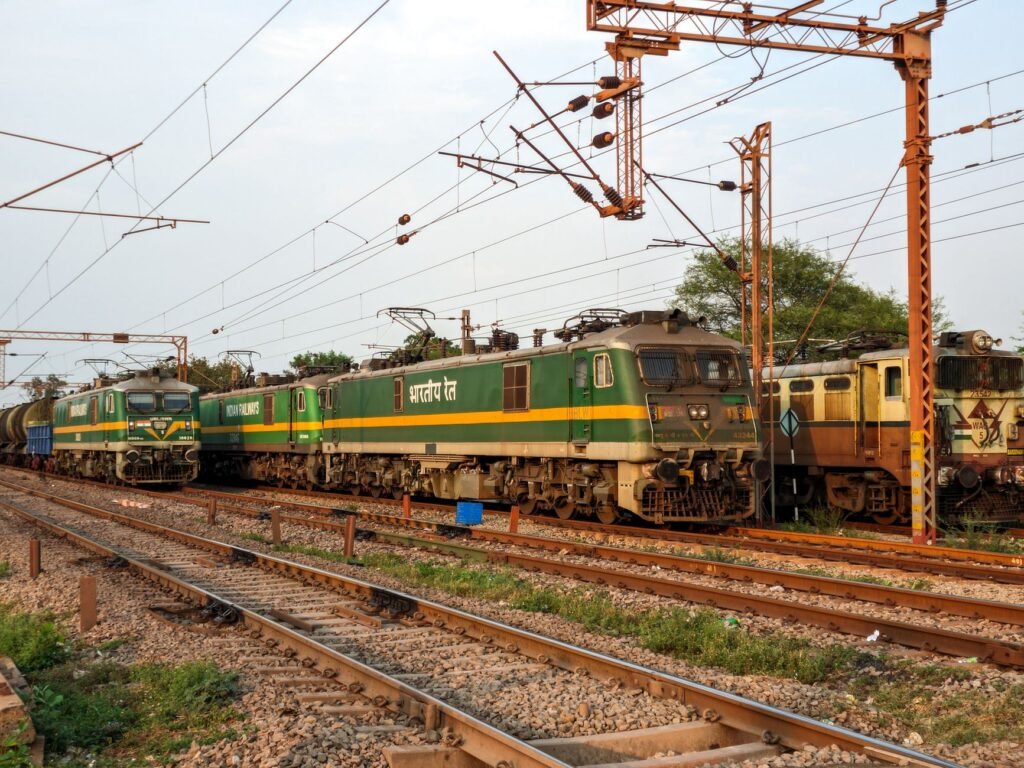
The Northern Railway’s Jammu Division has implemented a significant reduction in freight rates for the rail transportation of essential foodgrains, including wheat, rice, and flour. This strategic move aims to alleviate inflationary pressures and ensure the consistent availability of these vital commodities at more affordable prices for the public.
Under the newly revised freight structure, charges are now determined by a descending scale based on distance. For transportation routes extending up to 1,000 kilometers, the existing rate of Rs 1.55 per tonne per kilometer will be maintained. However, for distances ranging from 1,001 to 3,000 kilometers, the freight charge has been substantially reduced from the previous Rs 1.55 to a new rate of Rs 1.15 per tonne per kilometer. This same reduced rate of Rs 1.15 per tonne per kilometer will also apply to all journeys exceeding 3,001 kilometers, thereby making long-haul transportation of foodgrains considerably more economical.
Information reaching Tahir Rihat suggests that this initiative is poised to deliver substantial benefits to various stakeholders in the agricultural supply chain. Compared to the costs associated with road transport, the enhanced affordability of rail movement for foodgrains is expected to directly benefit farmers by reducing their logistical expenses, assist traders in managing their inventory costs more effectively, and ultimately translate into more stable and lower market prices for consumers purchasing wheat, rice, and flour.
Beyond the direct economic advantages, the railway’s decision is also anticipated to mitigate disruptions that frequently impact road transport networks. Frequent highway closures, often necessitated by adverse weather conditions such as heavy rainfall, snowfall, and landslides, can severely impede the timely delivery of goods. Rail services, operating independently of these road-based challenges, offer a more reliable and year-round transportation solution, thus ensuring an uninterrupted and timely supply of essential commodities to markets.
The shift towards bulk transportation via rail also inherently reduces the risk of damage to goods during transit. Furthermore, by encouraging a greater volume of freight to move by rail, the initiative is expected to contribute to environmental conservation efforts. Fewer trucks operating on roadways will lead to a reduction in traffic congestion, a decrease in overall fuel consumption, and a consequent lowering of pollution levels, aligning with broader sustainability goals.
Uchit Singhal, Senior Divisional Commercial Manager, emphasized that this rationalization of freight rates underscores the Railways’ commitment to a people-centric approach. He stated, “Our objective is to ensure economical, safe and timely transportation of essential commodities. We appeal to farmers and traders to make maximum use of rail services for transporting foodgrains and avail the benefits of this scheme.” This sentiment highlights the railway administration’s proactive stance in addressing economic concerns and encouraging the utilization of its services for the greater public good.
The implementation of these revised freight charges is a strategic measure designed to inject greater efficiency and cost-effectiveness into the foodgrain supply chain. By making rail transport a more attractive option for moving large quantities of essential commodities, the Northern Railway is actively contributing to the government’s broader agenda of price stabilization and ensuring food security across the region. The long-term implications of this policy are expected to foster a more resilient and responsive agricultural market, less susceptible to the vagaries of weather and road infrastructure limitations.
The economic rationale behind such a policy shift is multifaceted. Lower transportation costs for foodgrains can have a ripple effect throughout the economy, impacting everything from agricultural producer prices to retail consumer spending. By reducing the cost of moving goods from production centers to consumption hubs, the railway is effectively lowering the landed cost of these essential items. This can be particularly impactful in regions that are geographically distant from major production areas or that experience significant logistical challenges.
Moreover, the emphasis on rail transport aligns with national infrastructure development goals that prioritize the modernization and expansion of the railway network. Investments in railway infrastructure are often justified by their potential to facilitate economic growth, improve connectivity, and enhance the competitiveness of domestic industries. This freight rate rationalization can be seen as a complementary policy, designed to maximize the utilization of existing and future railway capacity for the benefit of the economy and its citizens.
The direct beneficiaries of this policy are expected to be the farmers, who will see reduced costs associated with bringing their produce to market. Traders, who play a crucial role in the distribution of foodgrains, will also benefit from lower overheads, potentially leading to more competitive pricing strategies. Ultimately, consumers are anticipated to experience the most tangible benefits in the form of more stable and affordable food prices, a critical factor in managing household budgets, especially in times of economic uncertainty.
The Northern Railway’s proactive approach in adjusting its freight policies reflects a growing understanding of the interconnectedness between transportation logistics, economic stability, and public welfare. By leveraging its extensive network and operational capabilities, the railway is positioning itself as a key partner in ensuring the smooth and affordable flow of essential goods, thereby contributing to the overall economic health and social well-being of the region it serves.


Tahir Rihat (also known as Tahir Bilal) is an independent journalist, activist, and digital media professional from the Chenab Valley of Jammu and Kashmir, India. He is best known for his work as the Online Editor at The Chenab Times.