


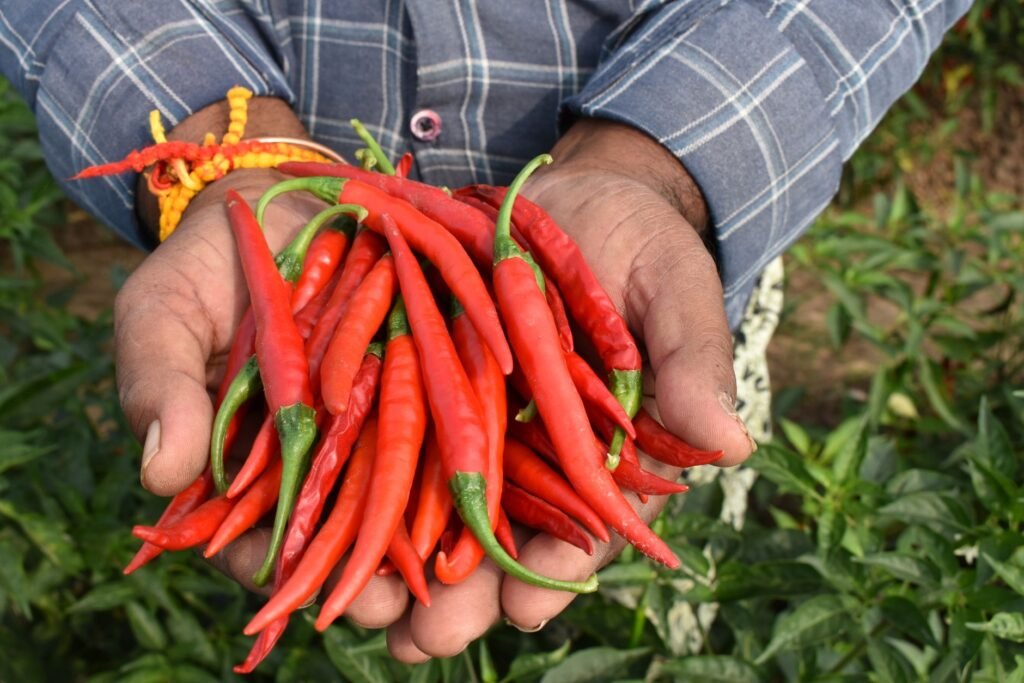
The fertile plains of Pakistan, renowned globally as the red chile capital, are grappling with an unprecedented challenge: extreme heat waves that threaten the very survival of its iconic spice. Farmers in regions like Punjab, which produce a significant portion of the country’s chiles, are witnessing the devastating impact of soaring temperatures on their crops, a staple that forms the backbone of local economies and culinary traditions.
The traditional methods of cultivating these vibrant red peppers, passed down through generations, are proving increasingly inadequate against the harsh realities of a changing climate. As temperatures climb to record highs, the delicate balance required for chile growth is disrupted, leading to reduced yields and compromised quality. Information reaching Tahir Rihat suggests that the escalating costs associated with adapting to these extreme conditions are pushing many farmers to the brink of abandoning their ancestral livelihoods.
The implications of this climate-induced crisis extend far beyond the agricultural sector. Red chiles are not merely a crop; they are a symbol of Pakistani identity and a vital export commodity. The potential decline in production could have significant economic repercussions, impacting not only the farmers but also the wider supply chain, including processors, traders, and international buyers. The vibrant red hues that once symbolized prosperity are now tinged with the anxiety of an uncertain future.
Farmers are now exploring innovative, albeit costly, strategies to mitigate the effects of the heat. These include the adoption of more resilient chile varieties, the implementation of advanced irrigation techniques to conserve water and regulate soil temperature, and the construction of protective structures to shield crops from direct sunlight. However, the financial burden of these adaptations is substantial, particularly for smallholder farmers who often operate on thin margins. The sheer scale of the climate challenge necessitates a coordinated response that involves government support, technological advancements, and international collaboration.
The phenomenon is not isolated to Pakistan. Across South Asia, agricultural systems are under immense pressure from erratic weather patterns, including prolonged heat waves, unseasonal rains, and increased frequency of extreme events. The red chile cultivation in Pakistan serves as a stark microcosm of the broader vulnerabilities faced by agricultural communities worldwide in the face of climate change. The resilience of these communities is being tested as they strive to balance tradition with the urgent need for adaptation and innovation.
The long-term sustainability of chile farming in Pakistan hinges on a multifaceted approach. This includes investing in climate-resilient agricultural research, providing financial and technical assistance to farmers, and promoting sustainable land and water management practices. The global demand for Pakistani red chiles remains strong, but meeting this demand in an era of climate uncertainty will require a fundamental shift in how these crops are grown and managed. The future of the red chile capital of Pakistan, and indeed many other agricultural heartlands, depends on the ability to adapt and innovate in the face of a warming planet.


Tahir Rihat (also known as Tahir Bilal) is an independent journalist, activist, and digital media professional from the Chenab Valley of Jammu and Kashmir, India. He is best known for his work as the Online Editor at The Chenab Times.