


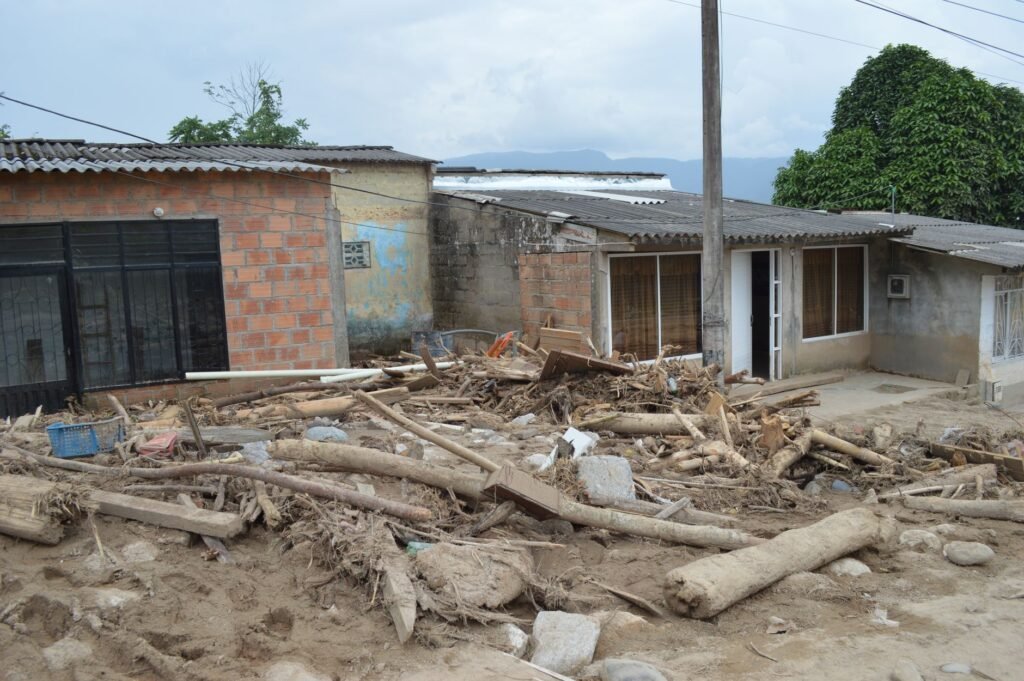
A powerful earthquake, the strongest to hit Colombia in a decade, has struck the Pacific coast, causing widespread destruction and claiming the lives of over 100 people. The tremor, which registered with significant magnitude, has left communities in ruins and emergency services scrambling to respond to the unfolding disaster.
The seismic event occurred in a densely populated region along Colombia’s western coastline, an area known for its vulnerability to geological disturbances. Initial reports indicate that the quake’s epicenter was located offshore, but its force was felt for hundreds of miles, causing buildings to collapse and triggering landslides in mountainous areas. As per information available with Tahir Rihat, the full extent of the casualties and damage is still being assessed, with fears that the death toll could rise as rescue efforts continue.
Eyewitness accounts describe scenes of chaos and devastation, with residents fleeing their homes as the ground shook violently. Images emerging from the affected areas depict flattened structures, debris-strewn streets, and desperate survivors searching for loved ones amidst the wreckage. The immediate aftermath has been characterized by a lack of essential services, including power and communication, further complicating rescue operations and hindering the flow of information.
The Colombian government has declared a state of emergency in the affected provinces and has mobilized national disaster response teams. International aid organizations are also preparing to offer assistance as the scale of the humanitarian crisis becomes clearer. The region’s infrastructure, including roads and bridges, has reportedly suffered extensive damage, making access for relief convoys challenging. This has led to significant logistical hurdles in delivering much-needed medical supplies, food, and shelter to the displaced populations.
Geologists have noted that the Pacific Ring of Fire, a horseshoe-shaped zone of seismic activity around the Pacific Ocean, is responsible for frequent earthquakes in this part of South America. While the region is accustomed to seismic events, the intensity of this particular tremor has taken many by surprise. Experts are monitoring for aftershocks, which could pose further risks to already weakened structures and exacerbate the ongoing rescue and recovery efforts. The long-term implications for the affected communities, including the rebuilding of homes and infrastructure, are expected to be substantial, requiring a sustained and coordinated response from both national and international bodies.
The immediate priority for authorities is to conduct thorough search and rescue operations, provide medical assistance to the injured, and ensure that displaced individuals have access to temporary shelter and basic necessities. The economic impact of the earthquake is also a growing concern, with many businesses and livelihoods destroyed. The resilience of the Colombian people will be tested in the coming weeks and months as they begin the arduous process of recovery and reconstruction.


Tahir Rihat (also known as Tahir Bilal) is an independent journalist, activist, and digital media professional from the Chenab Valley of Jammu and Kashmir, India. He is best known for his work as the Online Editor at The Chenab Times.