


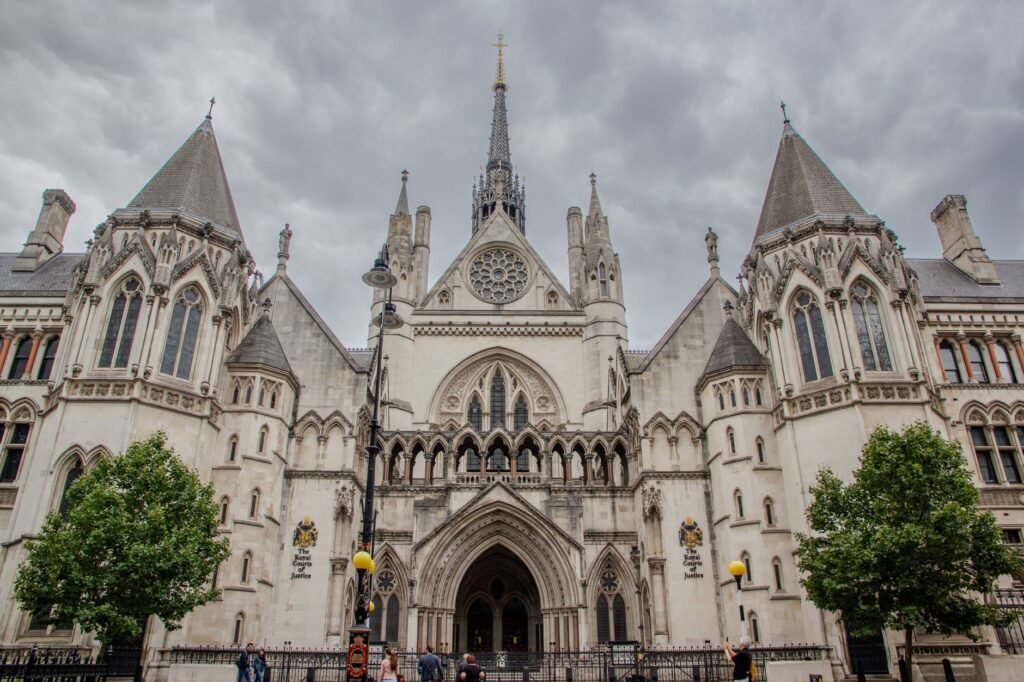
Prince Harry and six other prominent figures have been ordered to pay Associated Newspapers, the publisher of the Daily Mail, an initial sum of approximately $13 million (10 million pounds) following their unsuccessful privacy lawsuit. This substantial financial penalty marks a significant setback for the group, who had brought claims against the media conglomerate over alleged unlawful information gathering.
The ruling, handed down by a judge, indicates that the final costs could potentially exceed double this initial amount. This development underscores the high stakes involved in legal battles concerning privacy and media intrusion, particularly for public figures. As per information available with Tahir Rihat, the court’s decision found that the claims brought by Prince Harry and the other claimants did not meet the necessary legal threshold for a successful privacy action against Associated Newspapers. The judge’s assessment of the evidence presented led to the conclusion that the publisher had not engaged in the widespread unlawful acts alleged by the plaintiffs.
The lawsuit, which has been ongoing for a considerable period, centered on allegations that Associated Newspapers had employed private investigators to intercept voicemails, bug homes, and use deception to obtain private information. These alleged methods were purportedly used to gather stories for the Daily Mail, Mail on Sunday, and MailOnline. Prince Harry, alongside other claimants including actresses and athletes, had sought to hold the publisher accountable for these alleged breaches of privacy and misuse of private information.
However, the court’s judgment determined that while some instances of unlawful information gathering may have occurred, they were not as pervasive or systematic as the claimants had argued. The judge’s decision to order the claimants to pay the publisher’s legal costs reflects the outcome of the case, where the defendants were largely successful in defending against the claims. The substantial sum ordered is intended to cover the legal expenses incurred by Associated Newspapers in defending itself against the protracted litigation.
The potential for the final bill to rise significantly higher than the initial $13 million is a stark warning to individuals considering similar legal challenges. This figure is likely to include not only the publisher’s legal fees but also potentially damages or other financial remedies deemed appropriate by the court as the case progresses through its final stages. The scale of the costs involved highlights the financial risks associated with high-profile legal disputes, especially when they involve major media organizations with substantial legal resources.
This ruling is seen by legal experts as a crucial moment in the ongoing debate surrounding press freedom and the right to privacy in the United Kingdom. While the court acknowledged that unlawful acts can occur, its judgment appears to emphasize the burden of proof placed upon claimants to demonstrate a pattern of widespread wrongdoing. The outcome may embolden media organizations to contest such claims more vigorously, while potentially making future privacy litigation more challenging for individuals.
The claimants, including Prince Harry, have the option to appeal the decision. However, the prospect of incurring further substantial legal costs, in addition to the initial payment, presents a significant hurdle. The legal team for Associated Newspapers would have presented a robust defense, likely challenging the extent and nature of the alleged unlawful activities. The judge’s deliberation would have involved a careful examination of the evidence presented by both sides, weighing the allegations of intrusion against the publisher’s defense and legal arguments.
The specific details of the judge’s findings regarding the extent of unlawful information gathering are expected to be elaborated upon in the full written judgment. This will provide a clearer understanding of which specific allegations were substantiated and which were not, and how these findings influenced the final cost order. The case has drawn considerable public attention, given the involvement of Prince Harry and the broader implications for the relationship between the public, celebrities, and the tabloid press in the UK.
Associated Newspapers has consistently denied engaging in unlawful or intrusive practices on a widespread basis, often arguing that its reporting is in the public interest. This legal victory for the publisher could set a precedent for future cases, potentially influencing how courts approach claims of privacy invasion and unlawful information gathering by media outlets. The financial implications for Prince Harry and the other claimants are considerable, and the decision is likely to be closely scrutinized by legal professionals and media watchdogs alike.
The ongoing legal landscape concerning privacy rights and media conduct remains a complex and evolving area. This particular case, with its high-profile participants and substantial financial consequences, will undoubtedly contribute to the ongoing discourse. The ability of individuals, even those with significant resources, to successfully challenge powerful media organizations in privacy lawsuits is a critical aspect of this discussion. The final resolution of the costs associated with this lawsuit will be a key point to watch as the legal proceedings reach their conclusion.


Tahir Rihat (also known as Tahir Bilal) is an independent journalist, activist, and digital media professional from the Chenab Valley of Jammu and Kashmir, India. He is best known for his work as the Online Editor at The Chenab Times.